

Restaurant High Chairs Singapore: Safety and Hygiene Standards
High chairs are essential in any Singapore restaurant, café, hotel dining room, or family-friendly F&B space. With parents dining out more frequently and hospitality venues prioritising customer experience, the demand for safe, hygienic, and durable restaurant high chairs Singapore has increased significantly.
In a competitive market, restaurants that invest in proper high-chair standards demonstrate responsibility, professionalism, and a commitment to family dining. This guide explains the essential safety requirements, hygiene expectations, and material considerations for choosing high-quality high chairs—especially for Singapore’s tropical climate and strict regulatory environment.
As one of the trusted names in hospitality furniture Singapore, Rasa Bloom provides commercial-grade high chairs designed to meet these industry expectations. Here’s what every operator needs to know.
Why High Chairs Matter in Singapore’s F&B Industry
While high chairs may seem like a simple accessory, they have a major impact on:
Family dining experience
Restaurant safety and liability
Dining room workflow
Brand reputation and customer reviews
Singapore families often choose dining locations based on baby- and toddler-friendly facilities. Providing modern, safe high chairs signals that your establishment is welcoming and detail-oriented. Poor-quality chairs, on the other hand, increase accident risks and may even result in safety complaints.
Key Safety Standards for Restaurant High Chairs in Singapore
Safety is the top priority when selecting high chairs. Here are the criteria that every commercial F&B operator should follow.
1. Sturdy Commercial-Grade Construction
Unlike household high chairs, restaurant chairs must support:
Continuous daily rotation
Heavy weight loads
Rough use by young children
Frequent cleaning
Commercial-grade high chairs should feature:
Solid wood, reinforced plastic, or metal frames
Stable wide-leg bases
Non-slip footings
Rasa Bloom recommends choosing hospitality furniture that has been engineered specifically for high-traffic environments.
2. Safety Harness and Restraint Systems
A proper safety harness is non-negotiable. Choose a high chair with:
3-point or 5-point harness
Secure buckle that toddlers cannot unclip
Adjustable straps to fit different body sizes
Replaceable harness system for long-term use
Chairs without harnesses increase risks of falls—one of the most common restaurant child injuries.
3. No-Tip Stability and Anti-Slip Design
Accidents commonly occur when children push against tables or lean sideways. To minimise tip-over risk, ensure the high chair includes:
Wide and stable base
Low center of gravity
Anti-skid rubber pads
Strong frame joints
Restaurants with uneven flooring (common in alfresco dining) should emphasize no-slip features.
4. Rounded Edges & Safe Surface Finishing
To prevent cuts and injuries:
No sharp corners
Rounded edges
Smooth surface finishing
No exposed screws or metal brackets
Wooden chairs should be polished with child-safe coatings, and plastic chairs should have seamless moulding.
5. Compliance with International Child Safety Standards
While Singapore does not issue specific high-chair laws, international standards should be followed:
ASTM F404 (USA)
EN 14988 (Europe)
ISO Child Safety Guidelines
Choosing high chairs that align with these global benchmarks reduces risk and provides peace of mind.
Hygiene Standards for Restaurant High Chairs in Singapore
Singapore diners have high expectations for cleanliness, especially in family dining settings. Sticky surfaces, trapped food crumbs, or stained straps can deter customers instantly.
1. Easy-to-Clean Materials
Hygienic high chairs should be made of:
Smooth-finish wood
High-density plastic (HDPE)
Powder-coated metal with rust resistance
These materials are resistant to stains, moisture, and bacterial buildup—ideal for Singapore’s humid weather.
2. Seamless Surfaces and Minimal Gaps
The best high chairs are designed to prevent food and liquid from entering hard-to-clean crevices. Look for:
One-piece moulded seats
Seamless joints
Waterproof seatbacks
Removable trays with no grooves
Hygienic design reduces cleaning time and increases sanitation levels.
3. Fast Cleaning Process for High Turnover Restaurants
Set a cleaning protocol using the following steps:
Remove crumbs and visible debris.
Wipe with food-safe sanitiser.
Dismantle removable parts for deeper cleaning.
Sanitize harness and touchpoints.
Air-dry or use microfiber towels for immediate reuse.
Restaurants with high foot traffic benefit from selecting chairs that can be disinfected in under 1 minute.
4. Anti-Bacterial & Anti-Mould Coatings
Singapore’s tropical climate encourages mould growth. To prevent this:
Choose plastics with anti-bacterial properties
Select wood coated with moisture-resistant polyurethane
Ensure storage areas have ventilation
Commercial-grade chairs from Rasa Bloom are built with climate-specific durability in mind.
Material Comparison: Best Options for High Chairs in Singapore
High chairs come in several materials, each with different benefits.

Wooden High Chairs
Pros:
Timeless look
Heavy and stable
Durable commercial-grade quality
Suitable for premium restaurants or hotels
Cons:
Requires regular cleaning and maintenance
Not suitable for heavy rain/frequent outdoor use

Plastic High Chairs
Pros:
Lightweight and easy to move
Extremely easy to clean
Highly resistant to stains
Affordable and hygienic
Cons:
May look less premium
Cheaper models can feel less stable
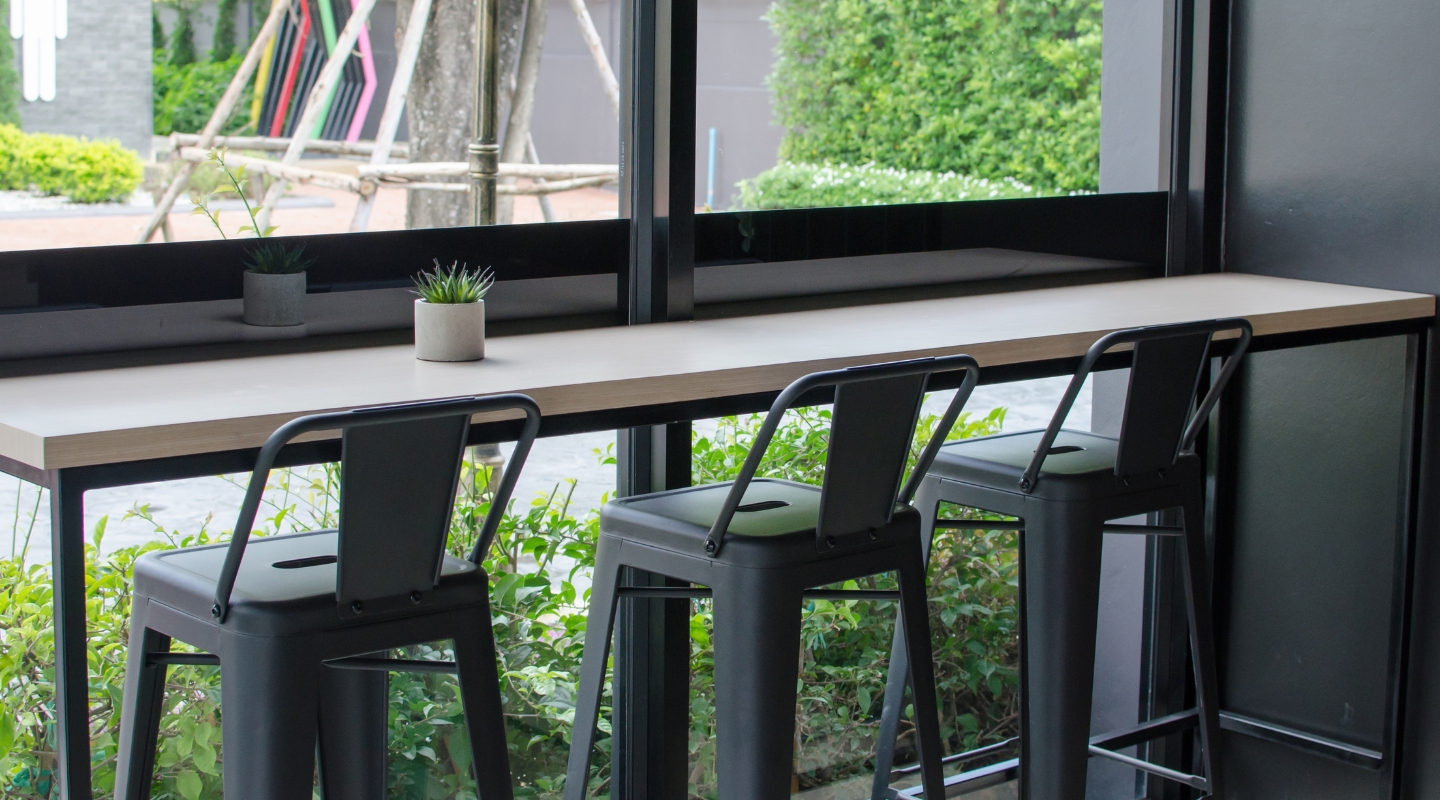
Metal High Chairs
Pros:
Very strong
Rust-resistant when powder-coated
Suitable for semi-outdoor settings
Cons:
Less comfortable without padding
Can heat up in outdoor sun if placed improperly
Operational Considerations for High Chair Management
Choosing the right chair is important—but proper usage matters just as much.
1. Placement and Traffic Flow
High chairs should be placed:
Away from aisles
Away from hot beverage paths
Near family seating areas
Away from doors or exit routes
This reduces the risk of tipping or collisions.
2. Staff Training
Train staff to:
Check harness before every use
Ensure chair stability
Clean and sanitise properly
Inspect safety components weekly
3. Maintenance Checklist
Perform weekly checks for:
Loose screws
Worn-out straps
Splintering wood
Cracked plastic
Rust (for metal frames)
If a chair is damaged, remove it from service immediately.
Why Choose Rasa Bloom for Restaurant High Chairs in Singapore
Rasa Bloom provides a wide selection of hospitality furniture Singapore, including durable and hygienic high chairs designed for both commercial restaurants and hotel dining environments.
Benefits of choosing Rasa Bloom include:
Commercial-grade construction
Safe, stable, and compliant designs
Singapore-ready materials (humidity- and stain-resistant)
Stylish options suitable for F&B branding
Reliable support from a trusted supplier
With a strong focus on practical functionality and modern aesthetics, Rasa Bloom helps Singapore restaurants create a safe, family-friendly dining environment.
Frequently Asked Questions
1. How many high chairs should a Singapore restaurant have?
A good benchmark is 1 high chair for every 20–25 seats, depending on customer demographics.
2. Are plastic or wooden high chairs better for Singapore restaurants?
Plastic is more hygienic and easier to clean, while wood offers a premium aesthetic. Many restaurants keep both for flexibility.
3. Can restaurant high chairs be used outdoors?
Only weather-resistant plastic or powder-coated metal models are recommended for outdoor use in Singapore’s humidity.
4. How often should high chairs be deep-cleaned?
Daily surface cleaning is required, with weekly deep-cleaning recommended.