

Custom Restaurant Furniture Design Process Singapore
Restaurant furniture is more than just a seating solution — it’s a long-term business investment. From dining tables and chairs to bar stools and banquette seating, every piece contributes to the comfort, ambience, and branding of your establishment. But with Singapore’s humid tropical climate and high customer turnover, furniture can wear out faster than expected if not properly maintained.
This guide explores practical, cost-saving tips to help restaurant owners extend the lifespan of their commercial and hospitality grade restaurant furniture in Singapore, while maintaining a fresh and professional look that delights customers year after year.
Why Furniture Lifespan Matters to Your Restaurant’s Bottom Line
Every piece of restaurant furniture plays a financial and functional role. Frequent replacements or repairs can quickly eat into profit margins. A proactive maintenance strategy doesn’t just preserve aesthetics — it directly impacts cost efficiency.
Key Reasons to Maximise Furniture Lifespan:
Reduce replacement costs: Quality commercial furniture can last 5–10 years with proper care.
Maintain consistent ambience: Customers appreciate a clean, cohesive, and inviting setting.
Enhance brand image: Well-maintained furniture reflects attention to detail and professionalism.
Support sustainability: Extending furniture use reduces waste and environmental impact.
Optimise return on investment (ROI): Longer lifespan equals higher value from every dollar spent.
In short, extending furniture life means saving money and strengthening brand reputation simultaneously.
Choose the Right Materials from the Start
The best maintenance strategy begins before purchase — with smart material selection.
1. Opt for Commercial Grade Quality
Commercial grade restaurant furniture is engineered for durability, stability, and frequent use. Unlike residential furniture, it uses stronger joinery, scratch-resistant coatings, and high-density materials.
Why it’s worth the investment:
Designed to handle high traffic.
Withstands frequent cleaning and sanitisation.
Carries commercial warranties.
2. Prioritise Weather-Resistant Materials
Singapore’s humidity can cause rust, warping, or mould growth. Choose materials built for tropical resilience, such as:
Powder-coated aluminium (anti-rust)
High-pressure laminates (HPL) (moisture-resistant)
Solid teak or treated wood (durable and naturally anti-fungal)
Synthetic rattan and resin wicker (perfect for alfresco dining)
3. Choose Easy-to-Maintain Finishes
Smooth, non-porous surfaces are easier to clean and resist bacterial growth. These include:
PU leather upholstery
Sealed wood finishes
Chrome or matte powder coating on metals
Partnering with a reputable hospitality furniture supplier in Singapore like Rasa Bloom ensures that every product is designed for long-term performance and cost-efficiency.

Regular Cleaning: The Foundation of Longevity
Dirt, oils, and food residues can erode protective coatings and weaken furniture structures over time. Establishing a consistent cleaning schedule is the simplest way to extend lifespan.
Daily Cleaning Checklist
Wipe down tables and chairs after every service.
Use mild soap and water — avoid harsh chemicals.
Clean spills immediately to prevent staining or corrosion.
Vacuum upholstery regularly to remove dust and crumbs.
Weekly and Monthly Tasks
Polish wooden surfaces with furniture-safe oils.
Inspect chair legs and table joints for looseness.
Apply metal protectant sprays on outdoor frames.
Clean under furniture and in hard-to-reach corners.
Pro Tip: Choose easy-clean commercial grade restaurant furniture to reduce cleaning time and prevent wear from over-scrubbing.
Control Humidity and Temperature
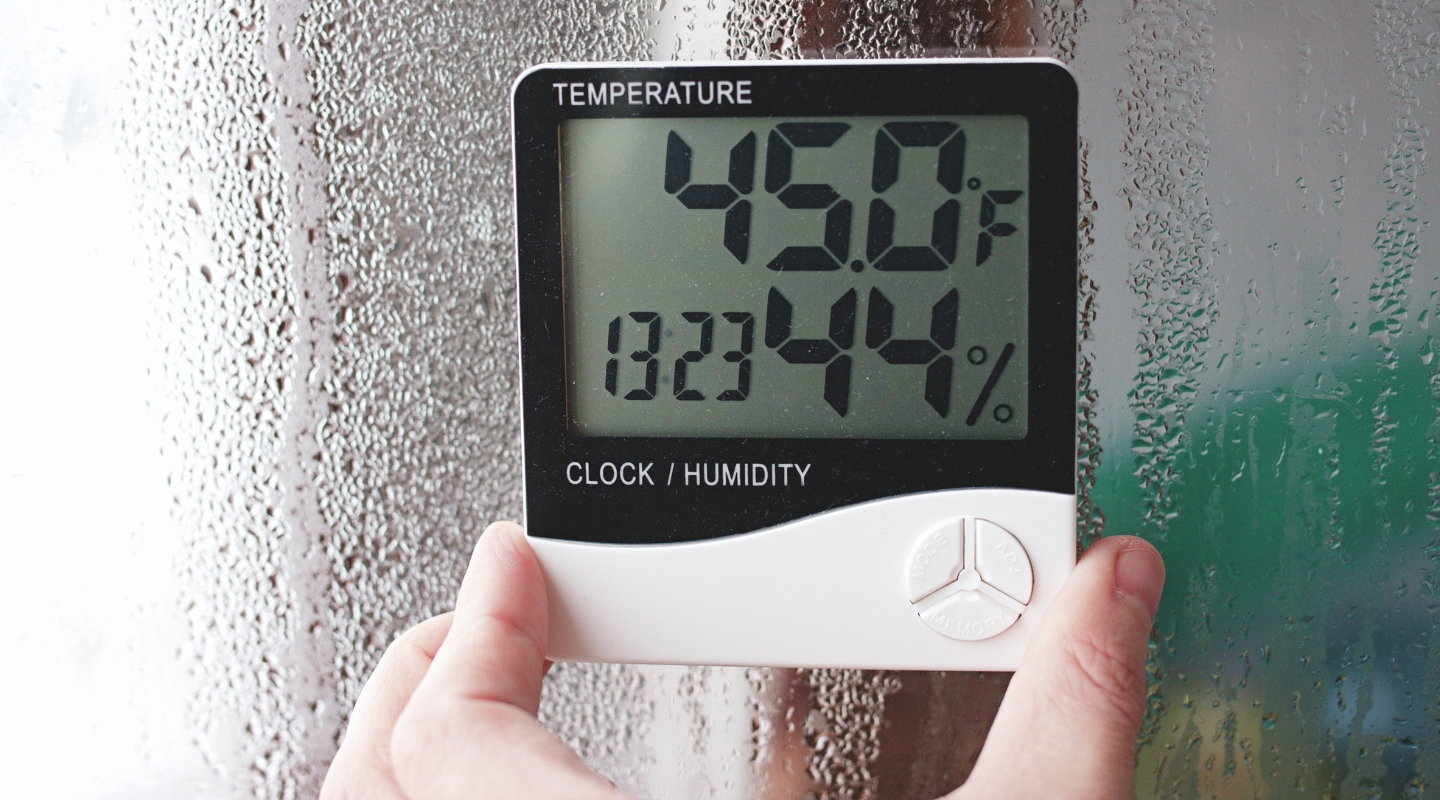
Singapore’s climate presents a major challenge for furniture maintenance. Prolonged exposure to high humidity can lead to rust, mould, and swelling.
Effective Climate Control Tips:
Use dehumidifiers in indoor dining areas.
Ensure proper ventilation — especially in kitchens and storage rooms.
Avoid direct sunlight exposure near glass windows.
Rotate outdoor furniture periodically to reduce uneven fading.
Outdoor dining setups should use hospitality furniture Singapore rated for tropical conditions. These products are made with UV-resistant coatings and rust-proof frames, ensuring performance in both rain and shine.
Apply Protective Coatings
Protective coatings act as a barrier between furniture materials and environmental elements like moisture, oils, and dust.
Recommended Protection Products:
Wood sealants or oils: Reapply every 6–12 months.
Metal anti-rust sprays: Especially important for outdoor pieces.
Upholstery protectors: Guard against stains and fading.
UV coatings: Prevent sun damage for outdoor furniture.
This minimal effort can double the lifespan of your furniture — saving thousands in replacement costs over time.
Schedule Routine Inspections
Preventive maintenance is about spotting small problems before they become expensive issues.
Monthly Inspection Checklist
Tighten screws and bolts.
Check table stability and chair balance.
Inspect welds and joints for cracks or rust.
Test upholstery seams for wear and tear.
Examine floor protectors or glides on chair legs.
Document findings in a simple logbook — this helps plan timely repairs and replacements efficiently.
Seasonal Maintenance for Outdoor Furniture
Outdoor restaurant furniture faces constant exposure to sun, rain, and humidity. These elements accelerate deterioration unless properly managed.
Recommended Outdoor Maintenance Routine:
Wash with mild soap and rinse thoroughly.
Cover furniture during heavy rain or unused hours.
Reapply waterproof sealants every six months.
Move pieces under shade during prolonged heat.
Many restaurants in Singapore are turning to hospitality furniture with weatherproof finishes that combine durability with elegant aesthetics — ideal for rooftop bars, patios, and alfresco spaces.
Reupholstery and Refinishing
Instead of replacing entire furniture sets, reupholstering and refinishing are smart ways to refresh aesthetics and extend usability.
Benefits of Reupholstering:
Saves up to 60% compared to buying new furniture.
Allows material upgrades (stain-resistant, easy-clean fabrics).
Enables design refreshes aligned with new branding.
Wooden tables and chairs can also be sanded and re-varnished to restore their shine. Partnering with a professional F&B furniture supplier Singapore ensures the right finishes are applied for commercial-grade durability.
Implement Furniture Rotation
For restaurants with large seating areas, rotating furniture between high- and low-traffic zones helps balance wear.
For example:
Move corner chairs or banquettes to central areas periodically.
Swap indoor and outdoor seating (if compatible materials).
This practice equalises use and ensures even ageing across all furniture pieces.
Smart Furniture Storage Practices
When furniture is not in use — such as during off-seasons or renovations — proper storage conditions are crucial to prevent damage.
Storage Guidelines:
Store in a cool, dry, and ventilated area.
Avoid stacking wooden or upholstered furniture directly.
Use breathable covers (not plastic) to prevent mould.
Elevate furniture slightly off the floor to avoid moisture absorption.
These simple precautions can add years of life to your restaurant furniture.
Partner with a Reliable Hospitality Furniture Supplier
Longevity doesn’t only depend on maintenance — it starts with quality craftsmanship.
Rasa Bloom, a trusted hospitality furniture supplier in Singapore, specialises in furniture designed to endure Singapore’s demanding F&B conditions. Their products combine modern design with easy maintenance, offering both durability and visual appeal.
Why Partner with Rasa Bloom:
Proven experience with Singapore’s restaurant industry.
Custom solutions for different dining environments.
Products built with tropical climate-resistant materials.
Easy-clean, stain-resistant designs ideal for daily operation.
Long-term support, including maintenance and warranty services.
By choosing commercial-grade quality from the outset, restaurants save money, time, and effort over the years.
Cost Comparison: Maintenance vs Replacement
| Option | Average Cost (SGD) | Frequency | 5-Year Cost Projection |
|---|---|---|---|
| Routine cleaning & polishing | $300/year | Annually | $1,500 |
| Reupholstery | $400–$800/set | Every 3–4 years | $800 |
| Full replacement | $1,500–$3,000/set | Every 3 years | $4,500–$9,000 |
As shown, routine maintenance costs far less than frequent replacements — another reason to prioritise long-term care.
Frequently Asked Questions
1. How long should commercial restaurant furniture last?
With regular maintenance and proper use, commercial grade restaurant furniture can last between 7–10 years, depending on material quality and environment.
2. What’s the best way to prevent rust on outdoor metal furniture?
Use anti-rust sprays and keep surfaces dry after rain. Opt for powder-coated aluminium or stainless steel frames for better durability.
3. How often should I polish wooden furniture?
Apply furniture oil or polish every 6–12 months to maintain sheen and prevent cracking.
4. Does Rasa Bloom provide after-sales maintenance advice?
Yes. Rasa Bloom offers maintenance guidance and long-lasting hospitality furniture collections designed for effortless upkeep.
Final Thoughts
Prolonging your restaurant furniture’s lifespan is about more than aesthetics — it’s a smart business decision that directly boosts profitability. By choosing commercial grade restaurant furniture, adopting consistent care routines, and partnering with reliable hospitality furniture suppliers in Singapore, you can ensure your investment delivers value for years to come.
At Rasa Bloom, every design combines durability, comfort, and style — making it easier for restaurant owners to maintain quality, save costs, and enhance customer satisfaction across every dining experience.