

Restaurant Furniture Material Comparison: Wood vs Metal vs Plastic
Choosing the right restaurant furniture material can make or break the success of your dining space. Beyond looks, your furniture needs to endure daily use, resist Singapore’s humid weather, and fit your restaurant’s overall theme.
In 2025, Singapore’s F&B scene continues to thrive — from cozy cafés in Katong to modern restaurants in Marina Bay. Every establishment faces one key question: should I buy wood, metal, or plastic furniture?
This comprehensive comparison guide explores the strengths, limitations, and ideal uses of each material, helping you make a confident, cost-effective choice for your restaurant setup. Whether you’re furnishing a fine-dining venue or a casual hawker stall, Rasa Bloom, a leading restaurant furniture supplier in Singapore, has the perfect solution tailored for your space.
1. The Importance of Material Selection in Restaurant Furniture
Your furniture’s material influences everything—from durability and maintenance to comfort and visual appeal. In Singapore’s tropical climate, furniture must handle:
High humidity that can cause warping or rust.
Frequent cleaning in compliance with hygiene regulations.
Heavy daily use and movement by customers and staff.
The right material ensures your investment lasts years while keeping your dining space stylish and functional.
2. Overview: Wood vs Metal vs Plastic Furniture
Let’s first break down what makes these materials popular in Singapore’s restaurant scene:
| Material | Advantages | Considerations | Best For |
|---|---|---|---|
| Wood | Timeless look, warm aesthetic, sturdy | Needs maintenance, not ideal for humidity | Indoor dining rooms, premium restaurants |
| Metal | Strong, sleek, easy to clean | Can heat up outdoors, heavier to move | Cafes, alfresco dining, high-traffic areas |
| Plastic | Lightweight, affordable, weatherproof | Less premium appearance | Hawker centres, fast-food outlets, outdoor spaces |
Each material serves a specific purpose. Let’s explore them in detail.

3. Wooden Restaurant Furniture: Classic Appeal and Comfort
A. Why Choose Wood
Wooden furniture has long been the hallmark of premium dining spaces. Its natural texture and warmth create a welcoming atmosphere that elevates the dining experience.
Rasa Bloom’s wooden dining chairs and tables are popular among Singapore restaurants that value craftsmanship and timeless design.
B. Key Advantages
Aesthetic Warmth: Ideal for rustic, Scandinavian, or heritage-themed interiors.
Customizable Finishes: Available in walnut, oak, ash, or veneer coatings.
Structural Strength: Solid hardwood pieces can last for decades.
Comfortable Feel: Natural temperature balance adds tactile comfort.
C. Maintenance & Durability
However, wood requires consistent care. In Singapore’s humidity, untreated wood may warp or swell. To extend its lifespan:
Apply protective coatings (e.g., PU or lacquer finish).
Avoid placing near direct sunlight or wet zones.
Clean with a damp cloth and mild soap only.
D. Cost Range
Wooden furniture is an investment. Expect to pay more upfront—but the return on longevity and aesthetics often justifies the price for premium restaurants.
Best Used For:
Fine dining restaurants
Boutique cafés
Hotel restaurants
Heritage-themed eateries
4. Metal Restaurant Furniture: Strength Meets Modern Style
A. Why Choose Metal
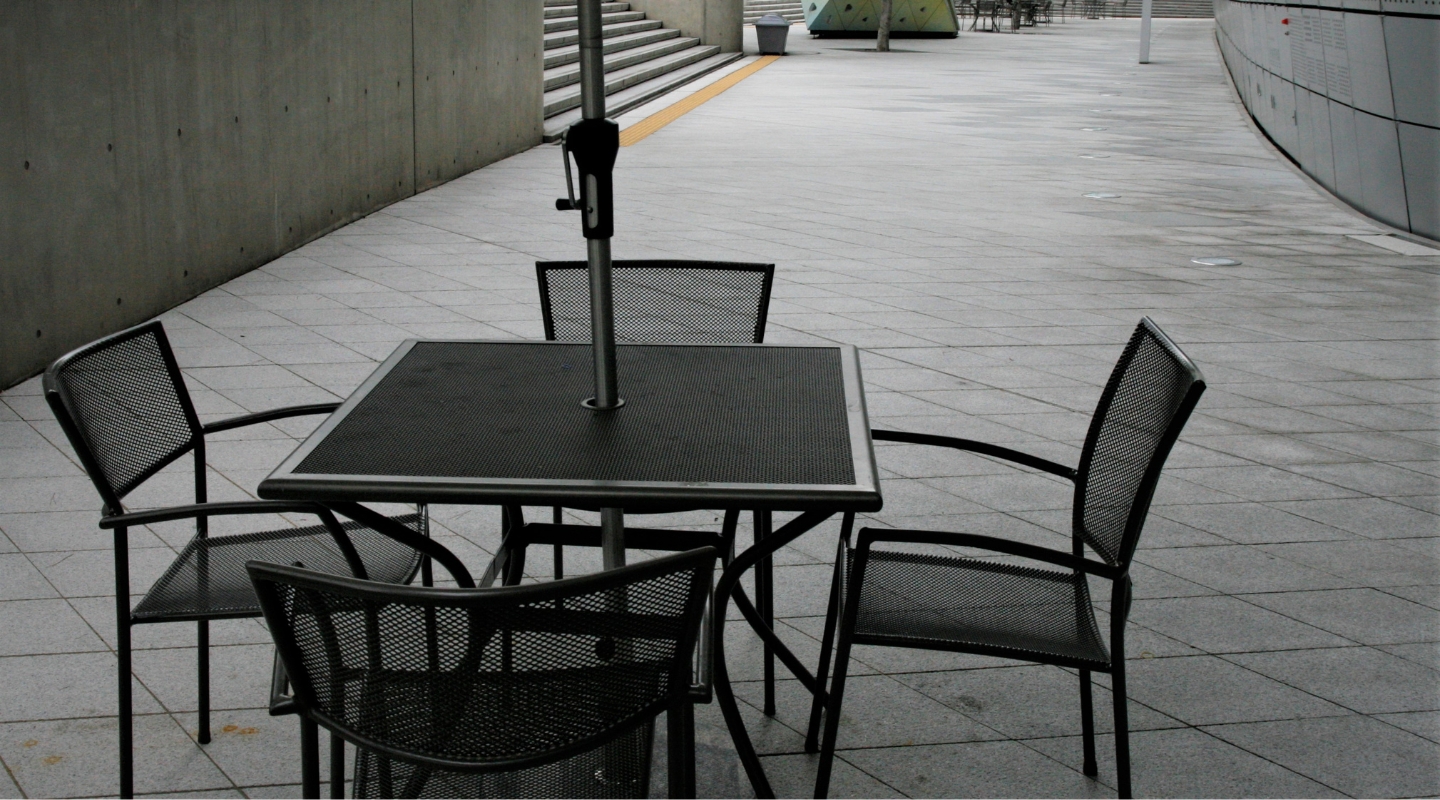
Metal furniture has gained traction in Singapore’s F&B market for its industrial-chic appearance and durability. It’s ideal for venues that prioritize functionality and minimal upkeep.
B. Key Advantages
High Durability: Resistant to impact and heavy loads.
Easy Maintenance: Wipes clean quickly—perfect for high turnover dining.
Modern Appeal: Complements industrial, minimalist, or urban concepts.
Weather Resistance: Powder-coated finishes resist corrosion and scratches.
Rasa Bloom’s metal dining chairs and table bases are especially popular for commercial dining furniture in Singapore, offering a blend of design flexibility and long-term performance.
C. Maintenance & Durability
Metal performs well in both indoor and outdoor environments when properly treated.
Use powder coating or galvanized steel for rust prevention.
Inspect joints regularly to prevent squeaks or looseness.
Avoid exposure to saltwater environments without protective finish.
D. Cost Range
Metal furniture typically costs less than solid wood but offers greater durability—an excellent mid-range option for many Singapore restaurants.
Best Used For:
Casual dining outlets
Industrial-themed cafés
Outdoor terraces and bars
Food courts and quick-service restaurants

5. Plastic (Monoblock) Restaurant Furniture: Versatile and Cost-Effective
A. Why Choose Plastic
Plastic furniture, especially monoblock designs, is synonymous with practicality. Lightweight, affordable, and easy to maintain, it’s perfect for high-traffic or outdoor F&B spaces.
B. Key Advantages
Lightweight: Easy to move or reconfigure seating layouts.
Weatherproof: Unaffected by rain or humidity.
Affordable: Great for startups or budget-conscious operators.
Variety of Colors: Adds vibrancy to casual dining environments.
Stackable: Saves space when not in use.
Rasa Bloom’s durable café chairs in Singapore include several plastic and resin-based designs built for both style and endurance.
C. Maintenance & Durability
Plastic furniture is virtually maintenance-free:
Clean with water and mild detergent.
Avoid exposure to high heat to prevent color fading.
Use indoors or shaded areas for longer-lasting color vibrancy.
D. Cost Range
Plastic is the most affordable among all materials, making it the top choice for hawker centres, kopitiams, and pop-up dining setups.
Best Used For:
Hawker centres
Food courts
Outdoor cafés
Temporary event setups
6. Side-by-Side Comparison: Which Material Is Right for You?
| Feature | Wood | Metal | Plastic |
|---|---|---|---|
| Durability | ★★★★☆ | ★★★★★ | ★★★☆☆ |
| Maintenance | Moderate | Low | Very Low |
| Cost | $$$$ | $$$ | $$ |
| Comfort | Excellent | Good | Average |
| Design Versatility | High | High | Moderate |
| Weather Resistance | Fair | Excellent | Excellent |
| Sustainability | High (if FSC-certified) | Medium | Medium |
Quick Tip:
If you want elegance and brand storytelling, go for wood.
If you value durability and easy upkeep, pick metal.
If you prioritize flexibility and cost savings, choose plastic.
7. Combining Materials for a Modern Restaurant Look
Singapore restaurateurs are increasingly adopting hybrid furniture concepts, blending different materials for a balanced aesthetic and practical outcome. Examples include:
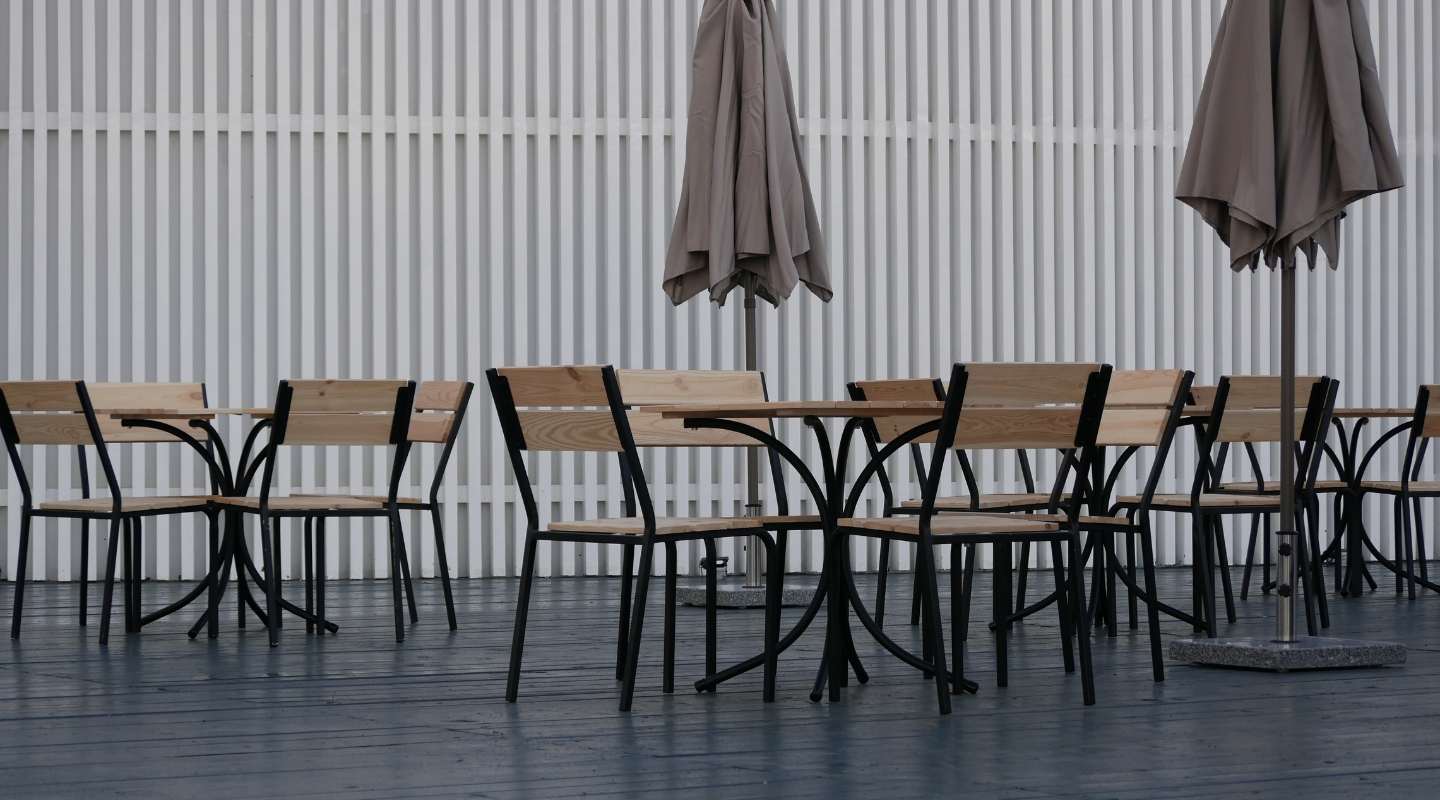
Wooden tabletops with metal bases – durable yet premium.
Plastic seats with metal frames – cost-effective and stable.
Wood-and-rattan combos – tropical charm for alfresco setups.
Rasa Bloom specializes in mix & match customization, allowing clients to combine tabletops, bases, and finishes to create cohesive yet personalized designs. This flexibility is especially valuable for restaurants aiming to stand out in Singapore’s competitive F&B landscape.
8. Sustainability and Material Sourcing in 2025
Eco-conscious dining is no longer a trend—it’s a standard. Many Singapore restaurants are now prioritizing sustainable materials to align with the Green Plan 2030 and attract environmentally aware diners.
When choosing materials, consider:
FSC-certified wood to ensure responsible sourcing.
Recyclable metal and plastic for reduced environmental impact.
Low-VOC finishes that promote indoor air quality.
Rasa Bloom actively incorporates sustainable practices into its product development, offering eco-friendly furniture options without compromising on design or durability.
9. Cost and ROI Considerations
When evaluating your furniture purchase, always consider total cost of ownership, not just upfront pricing.
Wood: Higher initial cost, but long lifespan and premium branding.
Metal: Moderate cost, minimal maintenance, excellent durability.
Plastic: Low cost, short replacement cycle, great flexibility.
A balanced approach—mixing wood for main dining areas and plastic or metal for outdoor or quick-dining spaces—often yields the best return on investment.
10. Choosing the Right Supplier
Material is only as good as its craftsmanship. To ensure you get lasting quality:
Choose a supplier experienced in commercial-grade restaurant furniture.
Ask for sample finishes and material data sheets.
Ensure warranty coverage and local service support.
As a reputable restaurant furniture supplier in Singapore, Rasa Bloom provides:
Expert material guidance for your concept and budget.
A vast range of wood, metal, and plastic furniture.
Customization options to fit your exact layout and theme.
Local after-sales service and on-time delivery.
Conclusion
The choice between wood, metal, and plastic restaurant furniture depends on your business goals, target audience, and environment.
For luxury interiors, wood exudes warmth and elegance.
For high-traffic dining, metal ensures strength and longevity.
For budget-conscious or outdoor spaces, plastic offers unbeatable convenience.
By partnering with Rasa Bloom, you gain access to a wide range of materials, styles, and design expertise—ensuring every piece fits your vision, brand, and budget perfectly.
Explore more at rasabloom.com.sg and discover how the right furniture material can redefine your dining experience.
Frequently Asked Questions
1. Which furniture material lasts the longest in Singapore’s weather?
Metal furniture generally lasts the longest, especially with powder-coated finishes. It’s resistant to corrosion and well-suited for humid conditions.
2. Are wooden restaurant chairs suitable for outdoor use?
Not recommended unless treated with marine-grade coating. For outdoor dining, metal or plastic options perform better.
3. How often should I replace restaurant furniture?
With proper maintenance, good-quality furniture can last 5–10 years. Replace when you notice wobbling, rust, or aesthetic wear.
4. Does Rasa Bloom offer custom material combinations?
Yes. Rasa Bloom allows you to mix materials—like wood tops with metal bases—creating furniture that suits your concept and durability needs.