

How to Choose the Right Restaurant Tables for Your Singapore F&B
Selecting the right restaurant tables for your dining space goes far beyond aesthetics—it’s about creating the ideal balance between comfort, function, and design. In Singapore’s competitive F&B industry, where every square metre matters, restaurant owners need tables that reflect their brand identity while maximizing seating capacity and operational flow.
Whether you’re designing a café in Bugis, a hawker stall in Tampines, or an upscale bistro in Marina Bay, your table selection will define the atmosphere and efficiency of your business.
This guide walks you through how to choose the right restaurant tables in Singapore, exploring everything from materials and shapes to space planning and maintenance. With insights from Rasa Bloom, a trusted commercial dining furniture supplier in Singapore, you’ll discover how to make practical yet stylish choices for your F&B setup.
Why Restaurant Tables Matter More Than You Think
Tables play a vital role in shaping customer experience. They are the focal point of your restaurant layout and directly impact comfort, turnover, and operational efficiency.
Well-chosen tables can:
Create a welcoming and cohesive ambience
Support easy cleaning and maintenance
Optimize space for maximum capacity
Encourage customer comfort and longer stays
Contribute to overall interior design consistency
A poor table selection, on the other hand, can lead to cramped seating, unstable surfaces, and inefficient workflows—all of which can hurt your bottom line.
1. Assess Your Space and Seating Layout
Before buying any restaurant table, start by understanding your floor plan. In Singapore, where space is at a premium, proper planning ensures smooth operations and comfort for your guests.
Here are key points to consider:
Maintain at least 60–75 cm between tables for comfortable movement.
Leave wider pathways for servers and wheelchair access.
Use banquette seating or foldable tables to maximize smaller areas.
For open dining spaces, use furniture to define zones—such as café corners, bar counters, or family seating.
Tip: Always plan your layout on paper or using simple software before purchasing. Rasa Bloom offers layout assistance to help clients plan seating arrangements that fit their exact floor area.

2. Choose the Right Table Shape
Table shape affects not only your restaurant’s appearance but also its seating efficiency and functionality. Each shape serves a different dining purpose:
Square Tables
Compact and flexible for small spaces
Easy to push together for group seating
Commonly used in cafés, bistros, and food courts
Rectangular Tables
Most efficient for seating multiple diners
Ideal for family-style dining or banquet setups
Encourages social interaction across the table
Round Tables
Promotes equality and conversation
Great for premium dining or Chinese restaurants
Slightly less space-efficient but adds elegance
Bar-Height Tables
Perfect for casual dining and modern bars
Pairs well with stools for alfresco or quick dining zones
Your choice of shape should depend on your restaurant’s layout and customer flow. For example, a food court may prioritize rectangular tables for efficiency, while a boutique café may opt for round ones to create a cozy, intimate vibe.
3. Select the Best Table Material
Singapore’s climate is hot and humid, so durability and maintenance should guide your material selection. Here’s how different table materials perform:
Solid Wood
Warm and classic aesthetic
Suitable for indoor fine dining
Requires regular polishing and care to prevent warping
Laminate or Veneer
Affordable alternative to solid wood
Wide range of designs and finishes
Easy to clean and maintain
Metal or Stainless Steel
Durable and resistant to scratches
Ideal for industrial or minimalist themes
Suitable for high-traffic or alfresco areas
Marble or Stone
Luxurious, elegant finish
Heavy and durable, perfect for premium restaurants
Needs sealing to prevent stains
Compact Laminate / Resin
Moisture-resistant and easy to maintain
Great for outdoor dining or humid conditions
Rasa Bloom offers customizable options where you can mix and match table tops and bases, allowing restaurant owners to achieve both functionality and brand-specific design aesthetics.

4. Focus on Table Height and Ergonomics
Comfortable dining experiences depend heavily on table height and ergonomics. The general guideline for restaurant tables is:
Standard dining table height: 72–76 cm
Bar-height table: 100–105 cm
Counter-height table: 90 cm
Ensure that the table height pairs correctly with chair height to maintain ergonomic balance. For instance, a 75 cm table should match a 45 cm chair seat height.
The wrong proportions can lead to discomfort, shorter dining times, and even negative reviews.
5. Consider Durability and Maintenance
In Singapore’s busy dining environment, furniture faces constant wear and tear—from cleaning chemicals to heavy daily use. Choose materials that are:
Scratch and stain resistant
Water-resistant or coated for humidity protection
Easy to clean with mild detergents
Resistant to heat from serving plates
For outdoor settings, avoid untreated wood and fabric finishes. Powder-coated metal bases and compact laminate tops are ideal for alfresco dining due to their weatherproof nature.
Rasa Bloom’s commercial dining furniture collection is designed specifically for such durability, ensuring long-lasting performance even in Singapore’s demanding F&B climate.
6. Aesthetic Consistency and Branding
Your tables should visually align with your restaurant’s brand story. For example:
Wooden tables for a rustic or artisanal vibe
Marble tops for a modern, high-end restaurant
Metal finishes for industrial or minimalist cafés
Bright laminate tables for casual family dining
A consistent design language builds brand recognition and creates a memorable dining experience.
Don’t overlook the small details—color tones, edge designs, and base styles can subtly reinforce your brand image.
7. Space Efficiency and Flexibility
Singapore’s F&B businesses often need to adapt quickly—switching between dine-in, takeaway, or event modes. Opt for furniture that supports flexibility:
Foldable tables for easy storage during off-peak hours
Stackable chairs and lightweight tables for layout changes
Extendable tables for events or large group reservations
Efficient space use not only maximizes profit but also enhances comfort and accessibility.
8. Budget Planning and Cost Considerations
Budgeting goes beyond just table prices—it includes logistics, installation, and long-term upkeep.
When planning your restaurant furniture budget:
Determine seating capacity: Calculate tables per square metre.
Set pricing tiers: Differentiate between indoor, outdoor, and premium zones.
Include accessories: Don’t forget table bases, glides, or umbrella stands for outdoor use.
Plan for maintenance: Allocate 5–10% for repair or replacement yearly.
While cheaper tables may seem tempting initially, low-quality materials often lead to faster replacements. Investing in commercial-grade restaurant furniture from a reputable supplier like Rasa Bloom ensures better longevity and long-term ROI.
9. Compliance with Singapore’s Regulations
Restaurants in Singapore must adhere to certain safety and hygiene standards under NEA and URA regulations. When selecting tables, ensure:
Rounded or smooth edges to avoid injury
Stable and non-slip bases
Materials that meet fire and hygiene safety standards
Sufficient clearance between tables for mobility and evacuation routes
Rasa Bloom’s tables are designed with these requirements in mind, offering peace of mind for F&B business owners.
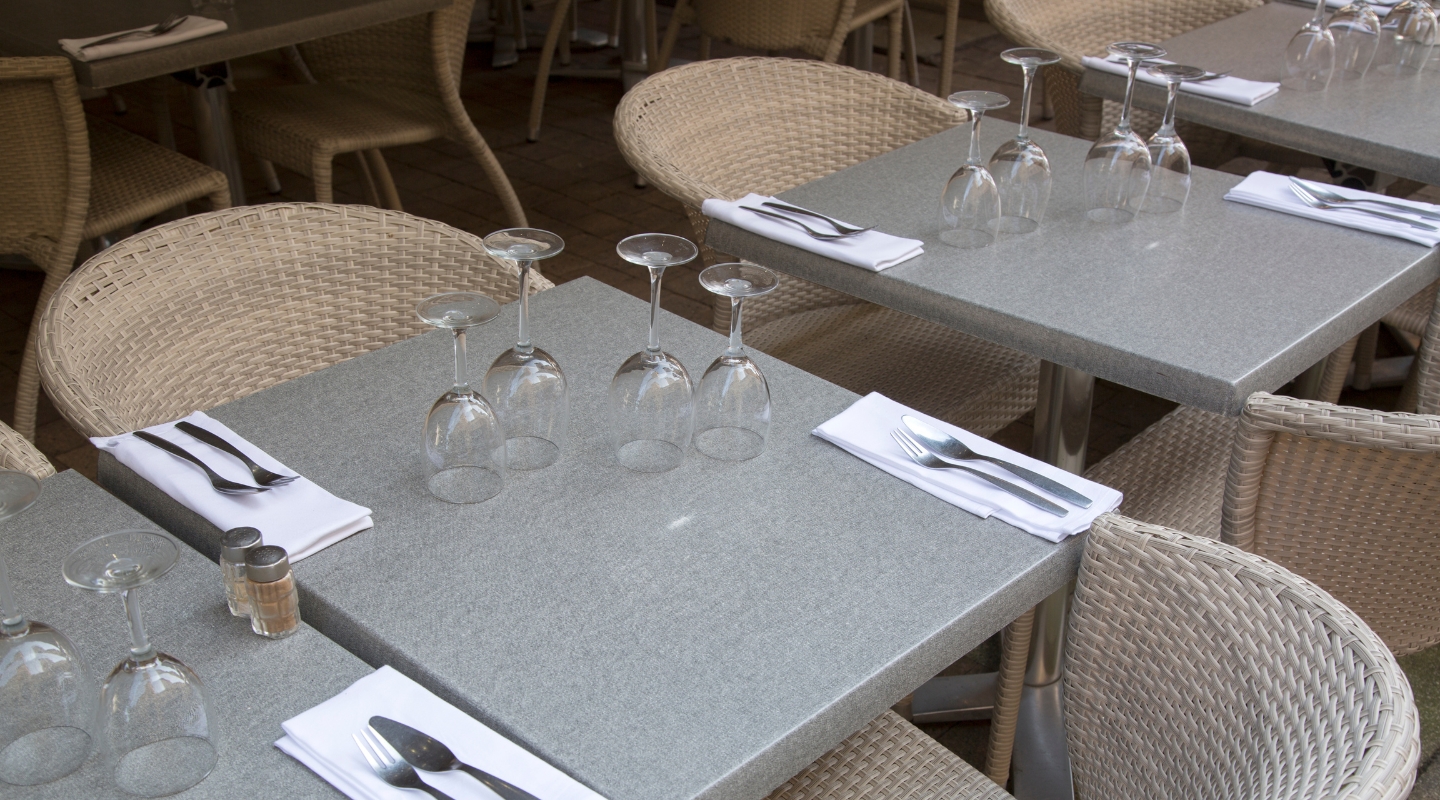
10. Customization Options for Unique Dining Concepts
Every restaurant has its own concept, and one-size-fits-all solutions rarely work. Rasa Bloom offers full customization capabilities to bring your vision to life.
You can personalize:
Tabletop materials – wood, laminate, marble, or compact
Base designs – cast iron, metal, or adjustable height
Shapes and sizes – to fit any layout
Finishes – matte, gloss, or textured
This flexibility allows restaurants to align every furniture element with their theme—from minimalist Japanese cafés to vibrant tropical alfresco spaces.
11. Common Mistakes to Avoid When Buying Tables
Avoiding these common mistakes can save you both time and money:
Choosing residential-grade tables instead of commercial-grade
Ignoring space planning and customer flow
Buying without testing height and comfort
Overlooking maintenance needs or replacement parts
Neglecting warranty and after-sales support
Partnering with a professional supplier like Rasa Bloom ensures expert guidance throughout the selection process—from design consultation to delivery and installation.
Conclusion
Choosing the right restaurant tables for your Singapore F&B business is a strategic decision that affects not only appearance but also performance and profitability. The ideal table complements your brand, fits your layout, endures daily operations, and enhances customer satisfaction.
With the variety of materials, shapes, and customization options available, the process can feel overwhelming—but you don’t have to do it alone.
Rasa Bloom provides expert consultation and high-quality restaurant tables and chairs in Singapore, ensuring that every piece meets the demands of your space, budget, and brand story. Visit their website to explore options and design your perfect dining environment today.
Frequently Asked Questions
1. What is the best table material for Singapore’s climate?
Compact laminate or powder-coated metal tables are ideal for humid weather. They are durable, water-resistant, and easy to clean.
2. How much space should I leave between tables?
A minimum of 60–70 cm is recommended for standard dining, with wider aisles (90 cm or more) for staff walkways.
3. Can I customize my restaurant tables with Rasa Bloom?
Yes. Rasa Bloom allows full customization of size, shape, base, and finish to match your restaurant concept.
4. How long do commercial restaurant tables typically last?
With proper care, high-quality tables can last five to ten years or more, depending on material and usage intensity.