

Restaurant Furniture Depreciation Tax Guide Singapore
Managing costs is a major priority for every F&B business in Singapore. While rent and labour are often the biggest expenses, the investment in restaurant furniture is also substantial—especially when purchasing durable, commercial grade restaurant furniture meant to withstand years of heavy use.
Many business owners are unaware that furniture purchases come with valuable tax benefits under Singapore’s depreciation rules. When you buy restaurant furniture, it becomes a fixed asset that can be depreciated over time, reducing your taxable income legally and effectively.
This guide explains how furniture depreciation works, the relevant IRAS rules, and how restaurants can maximise tax savings. Whether you run a café, hawker stall, bar, or large restaurant, this comprehensive resource helps you make informed financial decisions.
Rasa Bloom, a leading F&B furniture supplier in Singapore, frequently assists businesses in understanding the value of long-term furniture investment and how depreciation impacts total ownership cost.
Why Depreciation Matters for F&B Businesses
Depreciation is an accounting method that spreads the cost of an asset over its useful life. For restaurant furniture, this means you can deduct part of its cost every year.
This is beneficial because:
It reduces taxable income
It improves cash flow
It reflects the true value of assets over time
It aligns your expenses with actual wear and tear
In the competitive Singapore F&B scene, where profit margins are tight, maximising tax deductions can significantly improve sustainability.
Furniture—such as dining chairs, tables, bar stools, outdoor seating, and banquette booths—qualifies as “plant and machinery” under IRAS guidelines, making depreciation claims straightforward.
What Furniture in a Restaurant Is Eligible for Depreciation?
In general, any item used for business and has a lifespan longer than one year can be depreciated.
Common examples include:
Dining chairs and tables
Bar stools
Lounge seating
Outdoor furniture
Banquette seating
Cashier counters
Shelving and storage racks
Baby chairs and high chairs
Café sofas and booths
Table tops and bases
Stainless steel furniture used in café settings
If purchased from a reputable supplier like Rasa Bloom, these items typically fall under commercial grade restaurant furniture, which often has a longer useful life—translating into steady depreciation claims over many years.
IRAS Depreciation Options for Restaurant Furniture
Singapore businesses can choose two primary methods:
1. Capital Allowances (CA)
This is the most common method. Instead of depreciation, IRAS allows you to claim Capital Allowances on qualifying assets.
For furniture and fittings, most restaurants use:
Write-Off Over Three Years
Year 1: 33.33%
Year 2: 33.33%
Year 3: 33.33%
Alternatively:
Write-Off Over Prescribed Working Life (PWL)
Depending on type of furniture, the PWL is usually 5–15 years.
Restaurants typically choose the 3-year write-off because it accelerates tax savings.
2. Low-Value Assets Claim
If the cost of a furniture item is $5,000 or below, you may claim the full amount in one year.
However, the total annual cap is $30,000 for all low-value assets combined.
This approach is often used for:
Plastic chairs
Polypropylene (PP) seating
Simple café tables
Small storage units
Premium wooden chairs or custom table sets may exceed $5,000 per item group, pushing them into capital allowance territory instead.
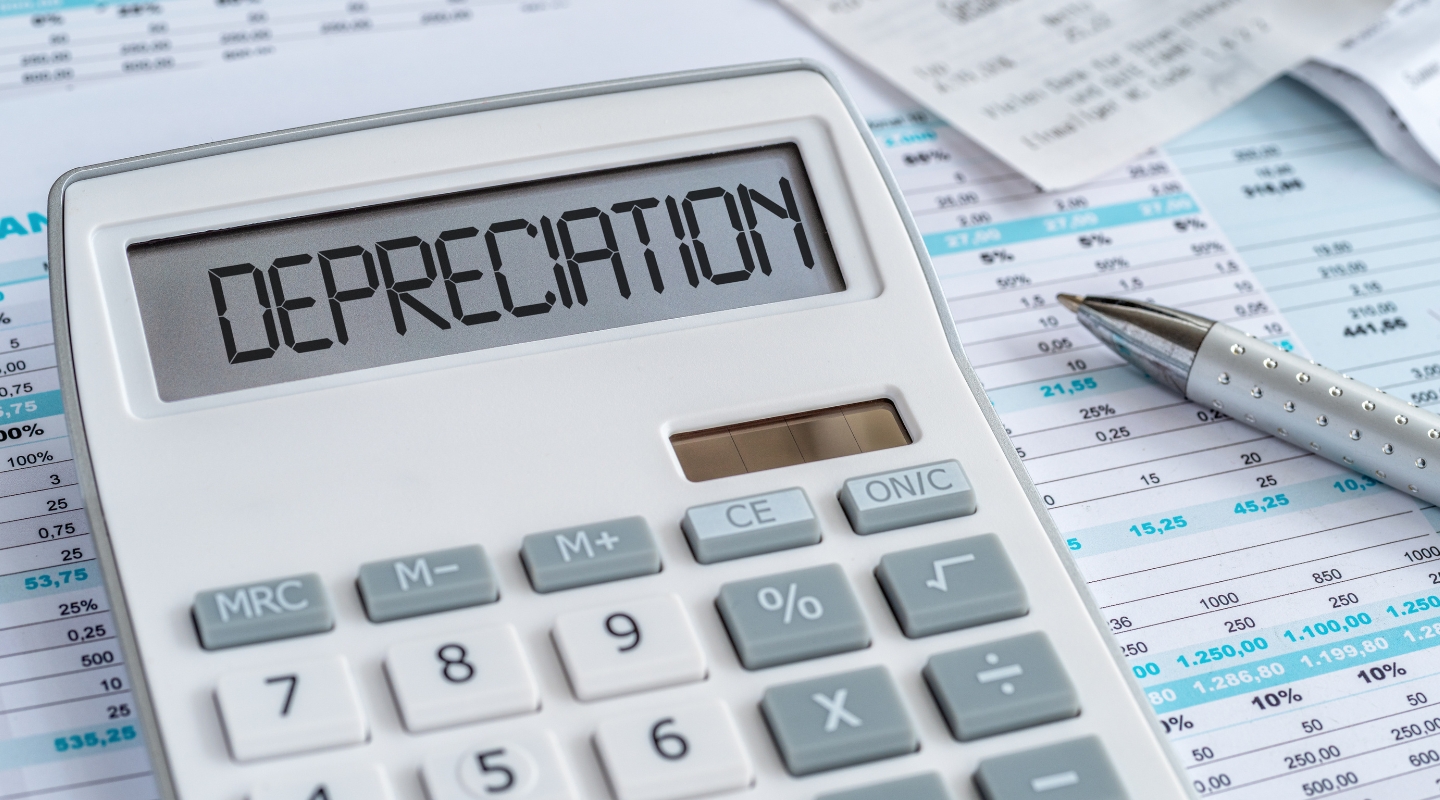
How to Calculate Depreciation (with Examples)
Below are common calculation scenarios to help restaurant owners understand how much they can save.
Example 1: Using 3-Year Capital Allowances
A restaurant purchases $15,000 worth of furniture.
Annual Claim = $15,000 × 33.33% = $4,999.50
This reduces taxable income by nearly $5,000 each year for three years.
Example 2: Using Low-Value Assets
A café buys:
20 PP chairs at $80 each
5 café tables at $200 each
Total = $2,600
This falls below $5,000 and qualifies as a full one-year deduction, assuming you remain within the $30,000 annual low-value cap.
Example 3: Write-Off Over Prescribed Working Life
If furniture is classified under a 5-year lifespan:
Cost: $10,000
Annual CA = $10,000 / 5 = $2,000
Slower than 3-year write-off but may suit long-term financial planning.
Key Requirements to Claim Furniture Depreciation
IRAS requires businesses to maintain proper documentation. To qualify:
The furniture must be used for business purposes
It must be owned by the business (leased furniture does not qualify)
Proper invoices must be kept
Assets must be recorded in the Fixed Asset Register
Claims must follow IRAS CA schedules
When you buy restaurant furniture Singapore from established suppliers like Rasa Bloom, you receive detailed invoices and product classifications needed for accurate asset documentation.
Should You Lease or Buy Considering Depreciation?
Businesses that lease furniture cannot claim depreciation because they do not own the asset.
Buying becomes more favourable when:
Your restaurant plans to operate long-term
You want to customise your furniture
You prefer large upfront tax deductions
You are investing in higher-quality commercial grade restaurant furniture
Leasing is only beneficial if short-term flexibility is needed. For most permanent restaurants, ownership offers better financial value.
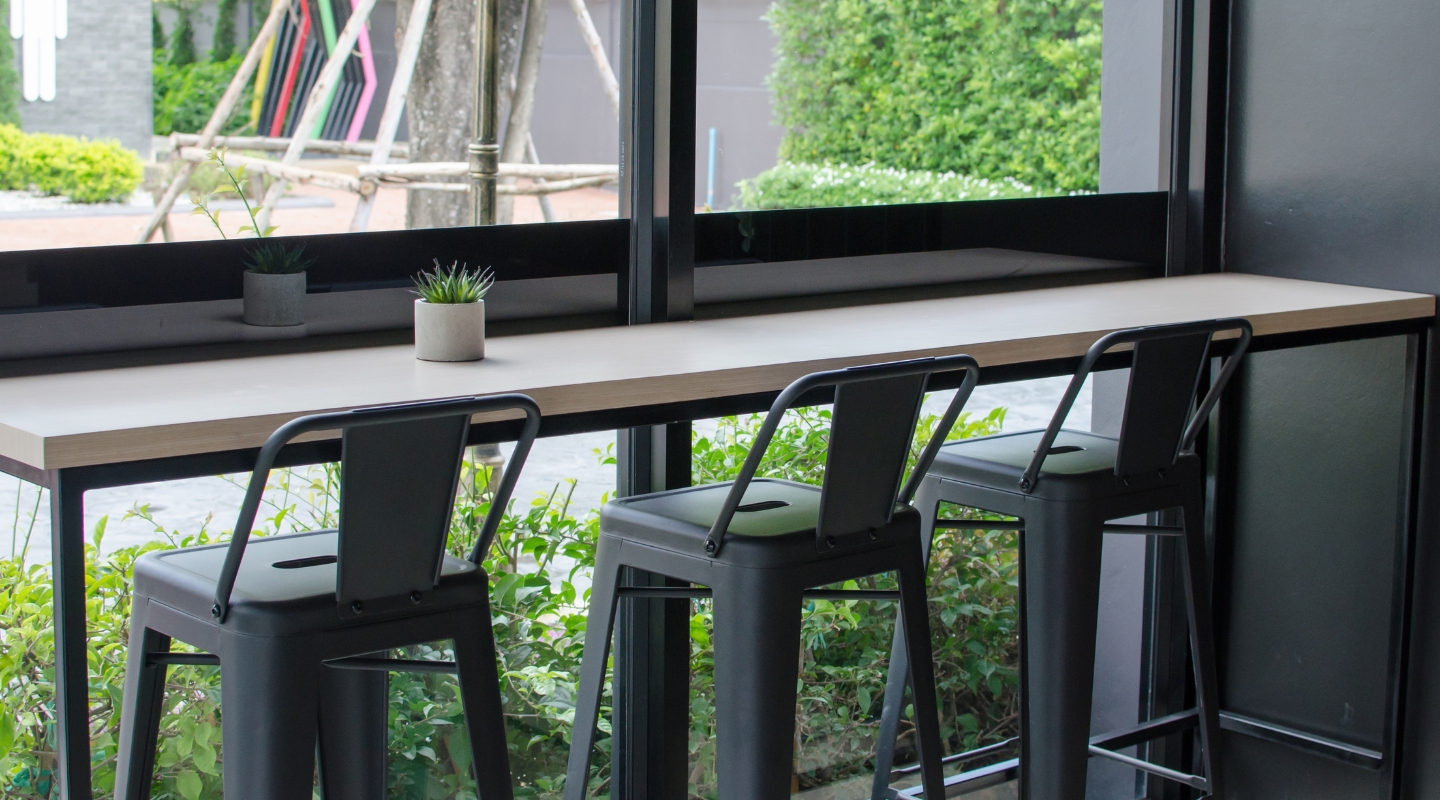
Why Commercial Grade Furniture Maximises Depreciation Value
High-quality, commercial grade restaurant furniture typically has:
Longer lifespan
Higher durability
Better structural integrity
More stable depreciation schedules
Higher resale value
Because of its superior build, it qualifies well under IRAS capital allowance rules, and the investment spreads out more efficiently.
Rasa Bloom’s commercial-grade furniture collections are known for durability, making them excellent for depreciation efficiency and long-term ROI.
Other Tax Considerations for Restaurant Furniture
Repairs vs Capital Improvements
Repairs (e.g., replacing chair legs, tightening bolts) are deductible as expenses immediately.
However, major upgrades may need to be capitalised.
GST Input Tax
GST-registered restaurants can claim input tax on furniture purchases, reducing actual cost further.
Disposal of Furniture
If furniture is sold or scrapped before full depreciation, balancing charges or allowances may apply.
Strategic Furniture Planning for Tax Optimization
Restaurant owners can maximise tax benefits through structured investment planning.
1. Stage Your Purchases
If you exceed the $30,000 low-value asset cap, stagger purchases across financial years.
2. Prioritise High-Wear Items
Items like table tops and chairs often need replacement sooner—purchase these first to accelerate claims.
3. Custom Furniture Strategy
Custom pieces from providers like Rasa Bloom should be capitalised and depreciated over three years for maximum impact.
4. Maintain Documentation
Poor records can lead to rejected claims. Keep every invoice, asset tag, and replacement record.
Depreciation Example for a 60-Seat Café
A typical furniture package:
50 dining chairs
10 bar stools
20 tables
5 outdoor sets
Counter and shelving
Total cost: $25,000
Using 3-year CA:
Annual claim: $25,000 × 33.33% = $8,332.50
This significantly lowers taxable income each year.
Buying commercial-grade furniture from Rasa Bloom strengthens long-term value because these items typically remain in service beyond their depreciable life.

Benefits of Buying Furniture from Rasa Bloom
Restaurant owners across Singapore choose Rasa Bloom because:
Wide selection of durable commercial-grade furniture
Mix-and-match systems for table tops and bases
Expertise in F&B layouts and ergonomic seating
Inventory suitable for cafés, bars, hawker stalls and restaurants
Fast delivery and reliable customer support
Long-term ROI is stronger when furniture lasts, and depreciation amplifies the net savings over your asset’s lifespan.
Frequently Asked Questions
1. How many years can restaurant furniture be depreciated in Singapore?
Most businesses use the 3-year capital allowance write-off. Some furniture may be depreciated over 5–15 years depending on IRAS prescribed working life.
2. Can I claim depreciation on leased furniture?
No. Depreciation is available only when the business owns the furniture.
3. What documents do I need to claim depreciation?
You need invoices, proof of purchase, asset records, and annual CA computation schedules.
4. Does commercial grade furniture offer better tax value?
Yes. Its durability means fewer replacements, smoother depreciation, and better long-term ROI.