

Industrial Restaurant Furniture Singapore: Modern Urban Aesthetic Guide for F&B Interiors
The industrial aesthetic continues to be a popular design choice among Singapore restaurants, cafés, and bars—especially in urban districts like Tanjong Pagar, Chinatown, and Telok Ayer. Inspired by warehouse architecture and factory elements, industrial interiors embrace raw materials, exposed structures, and bold statement furniture.
For F&B businesses, this style offers a unique blend of rugged charm and modern sophistication. In this guide, we explore the essential elements, furniture materials, and layout concepts that define industrial-style restaurant interiors in Singapore.
1. Key Characteristics of Industrial Restaurant Design
Industrial-style spaces are defined by their raw, unfinished look, mixing vintage utility with contemporary minimalism.
Core design features include:
Exposed brick or concrete walls
Visible ceiling pipes and ducts
Metal beams, iron frames, and steel accents
Neutral, monochrome, or rustic colour palettes
Minimal ornamentation
Open layouts with flexible seating
This aesthetic pairs especially well with modern fusion restaurants, craft beer bars, and artisanal cafés.
2. Industrial Furniture Materials for Singapore Restaurants
Furniture choices play a crucial role in bringing the industrial theme to life. The following materials are commonly used for durability and visual impact:
Metal
Powder-coated steel
Black iron frames
Brushed aluminium or stainless steel
Metal provides strength and structural definition, especially for chairs, table legs, and bar stools.
Solid Wood
Teak
Oak
Rubberwood
Reclaimed timber
Wood tones soften the rugged look while maintaining the industrial theme’s natural authenticity.
Concrete and Concrete-Look Finishes
Polished concrete table tops
Cement-texture composite surfaces
Stone-inspired laminates
Concrete adds weight, texture, and an urban warehouse feel.
Leather and Faux Leather
Dark brown, tan, charcoal, or matte black
Often used for bar stools, booths, and accent seating
These materials add comfort without losing the industrial character.
3. Industrial-Style Restaurant Chairs & Bar Stools
For restaurants in Singapore, seating must balance aesthetic impact with comfort and durability.
Popular industrial seating options:
Metal dining chairs with solid wood seats
Low-back or backless metal stools
Leather-upholstered bar stools with iron frames
Bent-metal café chairs
Vintage-inspired or distressed-finish seating
These options deliver a rugged urban feel while catering to high traffic and long operational hours.
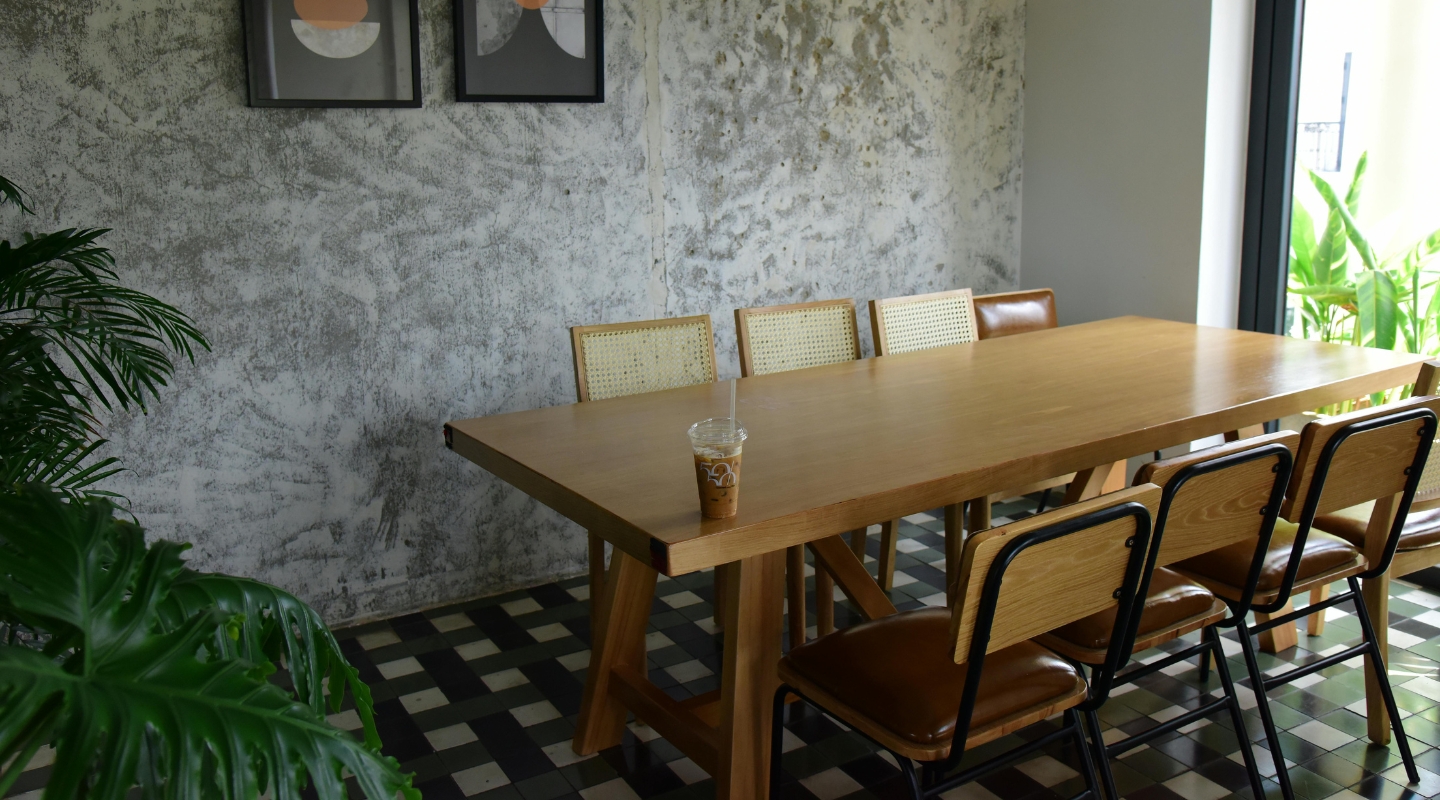
4. Industrial Dining Tables: Durable & Design-Driven
Industrial restaurant tables typically combine:
Metal frames
Solid wood or engineered wood tops
Laminate or composite “concrete look” surfaces
Why they work for F&B:
Highly durable for commercial use
Easy to maintain
Matches both casual and upscale industrial themes
Rectangular tables are most common, but communal tables are also popular for creating social dining experiences.
5. Urban Bar Counter Design for Industrial Concepts
Bars and drink service areas are focal points in industrial restaurants.
Recommended bar counter styles:
Black steel frame with wood or concrete top
Exposed-brick cladding
Metal mesh shelving
Rustic timber front panels
Ambient lighting with warm-toned bulbs
Pairing high bar stools in metal or leather enhances the industrial vibe.
6. Lighting and Accessories Completing the Industrial Look
Although industrial design is primarily functional, accessories help reinforce the theme:
Edison bulb pendant lights
Black metal chandeliers
Wireframe lamps
Metal mesh partitions
Exposed bulb wall lights
Lighting with warm colour temperatures adds comfort to balance the rawness of industrial elements.
7. Industrial Layout Planning for Singapore’s Compact Spaces
Singapore’s restaurant spaces are often limited, making layout efficiency crucial.
Useful layout strategies:
Use metal or mesh partitions instead of solid walls
Opt for slim-profile tables and chairs
Include high tables and bar counters for space-saving seating
Use open shelving to replace bulky cabinets
This maintains the industrial aesthetic while improving capacity and flow.
8. Why Singapore Restaurants Choose the Industrial Aesthetic
Benefits include:
Highly Instagrammable interior style
Pairs well with modern or fusion cuisine
Durable materials with long lifespan
Relatively low maintenance
Timeless, flexible aesthetic
It also appeals strongly to young, urban diners who appreciate minimalist, design-led atmospheres.
Conclusion
The industrial restaurant furniture aesthetic is versatile, durable, and visually striking—perfect for Singapore’s modern F&B scene. With a strong combination of metal textures, solid wood, concrete elements, and vintage-inspired forms, restaurant owners can create unique spaces that stand out while staying functional and commercially practical.
For the best results, partnering with a knowledgeable restaurant furniture supplier in Singapore ensures all pieces are commercial grade and tailored to local space constraints.
Frequently Asked Questions
1. What materials are most durable for industrial restaurant furniture?
Metal and solid wood offer excellent durability for Singapore’s high-traffic F&B environments.
2. Is industrial furniture suitable for small restaurants?
Yes. Slim metal frames and open layouts help save space and maintain visual openness.
3. Can industrial furniture be customised?
Absolutely. Many suppliers offer custom wood stains, metal finishes, table sizes, and leather upholstery options.
4. How do I maintain metal and wood furniture?
Regular cleaning with mild cleaners is enough. Avoid harsh chemicals on metal coatings and reseal wood surfaces periodically.
5. Can industrial design work with other interior styles?
Yes. Industrial pairs well with modern minimalist, rustic, Scandinavian, and even biophilic design elements.