

Commercial Grade Restaurant Furniture: Quartz Stone vs Sintered Stone Table Tops
Table tops are one of the most important yet often overlooked components of restaurant furniture. While chairs and interior décor attract visual attention, dining surfaces endure the highest level of daily use. From hot dishes and beverage spills to frequent cleaning and heavy traffic, restaurant table tops must withstand demanding conditions.
In Singapore’s competitive dining scene, material selection plays a crucial role in ensuring longevity, hygiene, and aesthetic consistency. Many restaurants today are choosing advanced stone materials such as quartz or sintered stone as part of their commercial grade restaurant furniture strategy.
Both materials are widely used in commercial dining furniture establishments install because they combine durability with modern visual appeal. However, they differ in composition, performance characteristics, and cost.
This guide explores the key differences between quartz and sintered stone to help restaurant owners and designers make informed decisions.
Why Table Top Materials Matter in Restaurants
Unlike residential dining tables, restaurant tables experience constant use throughout the day. Surfaces must resist scratches from cutlery, heat from serving dishes, and chemical exposure from cleaning products.
In addition, hygiene standards require materials that are non-porous and easy to sanitize. Singapore’s humid climate also adds another layer of complexity, as moisture can affect certain materials over time.
Selecting appropriate table tops as part of commercial grade restaurant furniture ensures durability while maintaining a refined appearance that complements the restaurant’s interior concept.
Restaurants investing in high-quality commercial dining furniture projects frequently evaluate quartz and sintered stone as premium tabletop options.
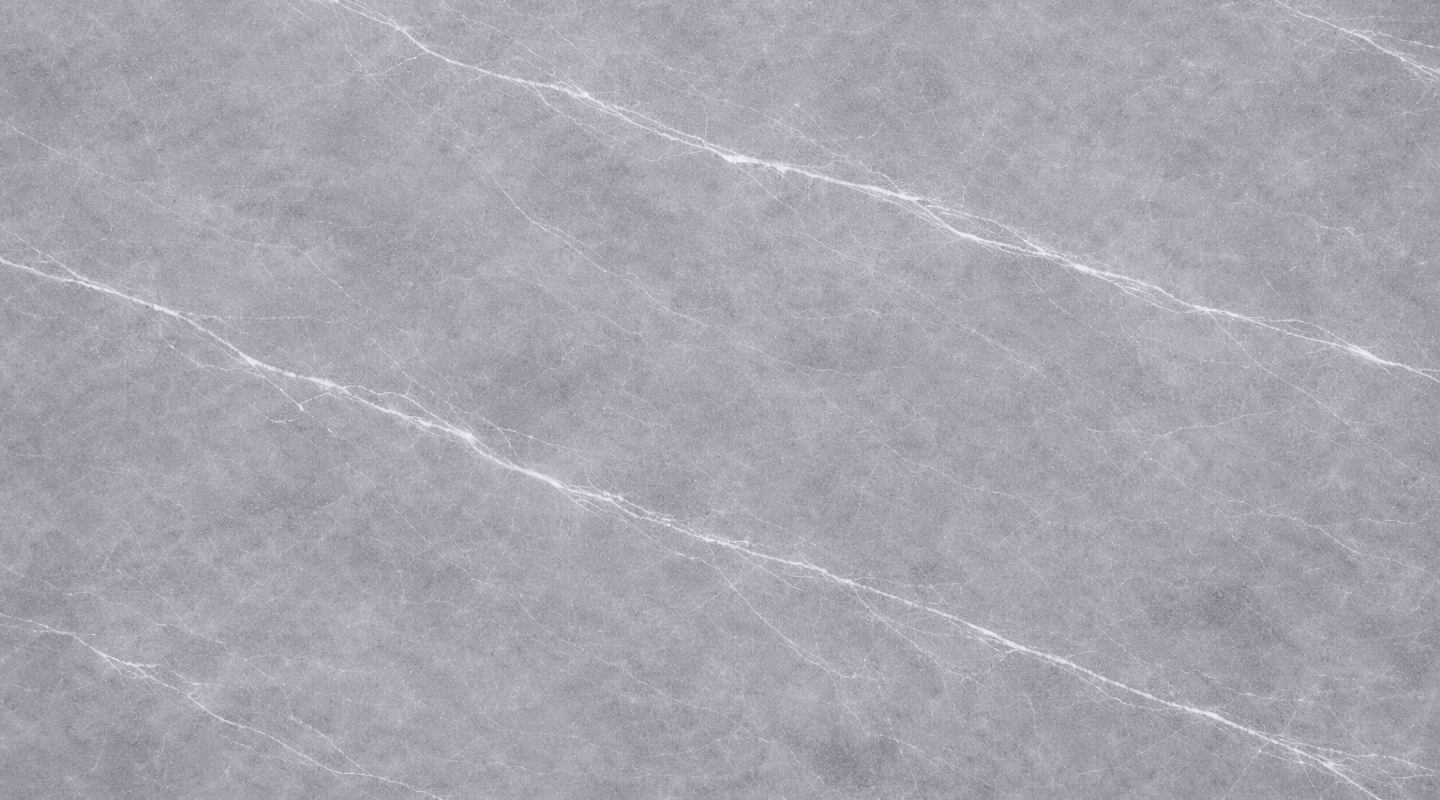
Understanding Quartz Stone Table Tops
Quartz stone is an engineered material composed primarily of natural quartz crystals combined with resin binders and pigments. The mixture is compressed under high pressure and polished to produce a smooth, uniform surface.
This manufacturing process creates a durable material that resembles natural stone while offering greater consistency in colour and pattern.
Quartz surfaces have become increasingly popular in restaurant interiors due to their clean, contemporary appearance and reliable structural performance.
Key Advantages of Quartz
Quartz table tops offer several benefits that make them suitable for restaurant environments:
Highly resistant to scratches and stains
Non-porous surface that prevents liquid absorption
Consistent colour and pattern options
Smooth finish that is easy to clean
Because of these characteristics, quartz frequently appears in modern interiors, particularly in cafés, bakeries, and casual dining restaurants.
Limitations of Quartz in Hospitality Environments
Despite its durability, quartz does have some limitations that restaurant designers should consider.
The resin component in quartz means the material has lower heat resistance compared with natural stone or sintered stone. Extremely hot cookware placed directly on the surface may cause damage or discoloration.
Quartz also performs best in indoor settings. Prolonged exposure to direct sunlight can cause fading or deterioration over time, making it less suitable for outdoor dining areas.
For restaurants planning outdoor terraces, alternative materials may provide better long-term durability within a commercial grade restaurant furniture setup.
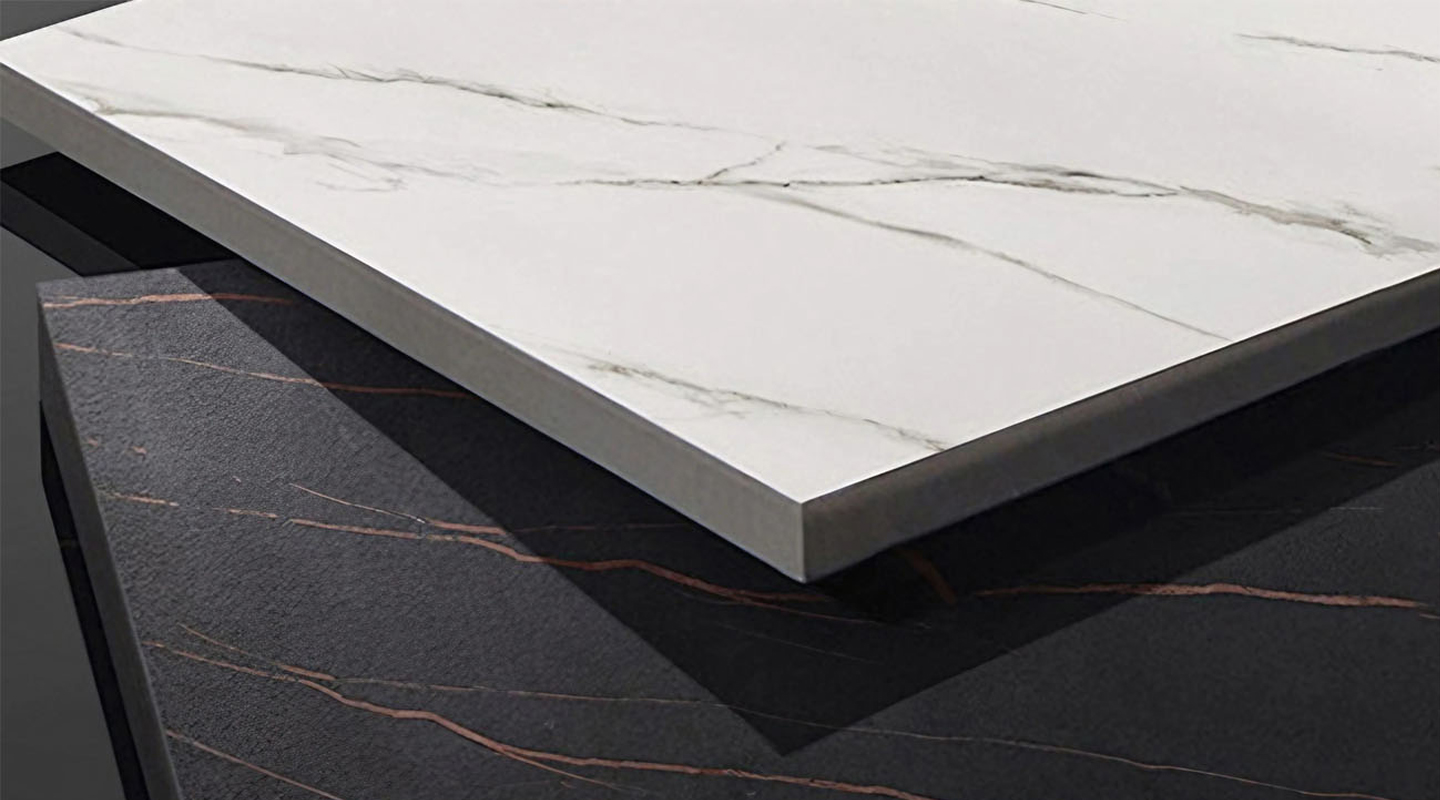
Understanding Sintered Stone Table Tops
Sintered stone is a newer material produced through an advanced manufacturing process that mimics the natural formation of stone under extreme heat and pressure.
Mineral particles such as quartz, feldspar, and silica are compressed and heated at temperatures exceeding 1200°C. This process fuses the minerals into an ultra-dense, non-porous slab without the use of resins.
The result is a material that combines exceptional strength with natural stone aesthetics.
Many high-end restaurants and hospitality venues now integrate sintered stone into commercial dining furniture Singapore installations because of its outstanding performance characteristics.
Key Advantages of Sintered Stone
Sintered stone offers several technical advantages that make it particularly suitable for demanding restaurant environments.
Superior Heat Resistance
Unlike quartz, sintered stone can withstand extremely high temperatures without damage. Hot pots, sizzling plates, and heated serving dishes can be placed directly on the surface without concern.
Exceptional Durability
The ultra-dense structure of sintered stone makes it highly resistant to scratches, chips, and impact. This durability supports long-term use in high-traffic dining spaces.
UV Stability
Sintered stone does not fade under sunlight, making it ideal for outdoor dining applications. Restaurants installing terrace seating often incorporate sintered stone.
Hygienic Surface
The material is completely non-porous, preventing bacterial growth and simplifying cleaning routines.
Aesthetic Differences Between Quartz and Sintered Stone
Both materials offer a wide range of colours and textures, but their visual characteristics differ slightly.
Quartz tends to present more uniform patterns because pigments are carefully controlled during manufacturing. This makes it suitable for minimalist interiors where consistency is preferred.
Sintered stone, on the other hand, often replicates the look of natural marble, granite, or limestone. The material can feature dramatic veining and textured finishes that enhance upscale restaurant environments.
Interior designers specifying commercial dining layouts frequently choose materials that align with the overall design concept of the restaurant.
Performance in Singapore’s Climate
Singapore’s tropical environment introduces specific challenges for restaurant furniture. High humidity, sudden temperature changes, and heavy rainfall can affect certain materials.
Quartz generally performs well indoors but is less suitable for outdoor dining areas due to potential UV sensitivity.
Sintered stone demonstrates greater resilience in outdoor environments because it is unaffected by sunlight and moisture. For restaurants with alfresco seating, this durability provides long-term value.
Integrating weather-resistant materials within commercial grade restaurant furniture ensures consistent performance across both indoor and outdoor dining spaces.
Maintenance Requirements
Both quartz and sintered stone require minimal maintenance compared with traditional stone surfaces.
Regular cleaning with mild detergent and a soft cloth is usually sufficient. Neither material requires sealing, unlike natural marble or granite.
However, sintered stone’s higher heat tolerance reduces the need for protective mats or trivets when serving hot dishes.
These practical advantages make both materials popular choices for commercial dining furniture projects focused on durability and hygiene.
Cost Considerations
Cost differences between quartz and sintered stone depend on thickness, brand, and installation complexity.
Quartz is generally more affordable because its manufacturing process is widely established and production volumes are high.
Sintered stone typically commands a higher price due to advanced manufacturing technology and superior performance characteristics.
When evaluating commercial grade restaurant furniture, many restaurant owners consider the balance between upfront investment and long-term durability.
Which Material Is Better for Restaurants?
The answer depends on the specific dining concept and operational requirements.
Quartz is an excellent option for indoor cafés and casual dining restaurants where heat exposure is limited. Its smooth finish and consistent appearance complement modern interiors.
Sintered stone excels in high-end restaurants, open kitchens, and outdoor dining areas where extreme durability and heat resistance are essential.
Furniture specialists such as Rasa Bloom assist restaurant designers in selecting the most suitable table top materials based on usage patterns, aesthetic preferences, and operational needs.
Integrating Stone Table Tops into Restaurant Design
Stone table tops can elevate the overall appearance of a dining space when paired with complementary furniture frames.
Black powder-coated steel bases create a contemporary industrial look, while wooden bases produce a warmer aesthetic. Neutral stone colours also integrate easily with various chair designs and interior styles.
When incorporated thoughtfully into commercial dining layouts, stone table tops can become both a practical and visual focal point within the restaurant.
Conclusion
Quartz and sintered stone are two of the most advanced materials available for restaurant table tops today. Both offer excellent durability, hygiene, and aesthetic appeal within commercial grade restaurant furniture installations.
Quartz provides a cost-effective solution for indoor dining areas with controlled conditions, while sintered stone delivers exceptional heat resistance and outdoor durability.
For restaurants planning long-lasting commercial dining furniture Singapore setups, selecting the right table top material ensures dining surfaces remain beautiful and functional despite daily use.
With expert guidance from experienced hospitality furniture providers such as Rasa Bloom, restaurant owners can confidently choose materials that support both design vision and operational performance.
Frequently Asked Questions
1. Is quartz suitable for restaurant table tops?
Yes. Quartz is durable, stain-resistant, and easy to clean, making it suitable for indoor restaurant dining tables.
2. What is the main advantage of sintered stone?
Sintered stone offers extremely high heat resistance and durability, allowing hot cookware to be placed directly on the surface.
3. Which material is better for outdoor restaurant tables?
Sintered stone is generally better for outdoor use because it is resistant to UV exposure and temperature changes.
4. Are stone table tops difficult to maintain?
No. Both quartz and sintered stone require simple cleaning with mild detergent and do not need sealing.