

Korean & Japanese Themed Restaurant Furniture Trends: From Izakaya Warmth to K-Cafe Minimalism
Asian dining concepts have evolved dramatically in recent years. Korean cafés, Japanese izakayas, ramen bars, and minimalist dessert shops are now among the most visually distinctive restaurants across many urban food districts. Their interiors often become just as memorable as the food itself.
What sets these spaces apart is not only cultural authenticity but also thoughtful furniture design. Seating arrangements, material choices and spatial layout work together to shape the atmosphere guests experience the moment they step inside.
Japanese dining spaces traditionally emphasize simplicity, craftsmanship and warmth, while Korean cafés often lean toward contemporary minimalism combined with playful visual elements. Understanding how these styles influence furniture design allows restaurant owners to create interiors that feel immersive rather than decorative.
For restaurateurs planning themed concepts, working with an experienced restaurant furniture supplier Singapore hospitality projects often involve can help translate these cultural aesthetics into durable, functional seating solutions.
This article explores the furniture styles commonly seen in Korean and Japanese themed dining spaces and how these design approaches influence modern restaurants.
The Philosophy Behind Japanese Dining Spaces
Japanese restaurant interiors are heavily influenced by principles rooted in traditional aesthetics. Concepts such as wabi-sabi—the appreciation of natural imperfection—and ma, the idea of intentional empty space, shape how interiors are arranged.
Furniture within these spaces rarely aims to dominate the room. Instead, it complements the surrounding architecture, materials and lighting. Solid wood tables, understated seating and carefully balanced proportions create a calm and inviting environment.
Many Japanese restaurants emphasize craftsmanship and material authenticity. Natural wood grains are often visible, and finishes are kept subtle rather than glossy.
In ramen shops, sushi counters or izakaya taverns, seating arrangements tend to encourage both intimacy and social interaction. Counter seating allows diners to observe chefs at work, while communal tables bring groups together in relaxed settings.
Izakaya-Style Warmth: Communal Dining and Natural Materials
Izakayas—Japan’s traditional casual drinking establishments—have inspired countless restaurant interiors worldwide. These spaces are known for their welcoming atmosphere, warm lighting and lively social environment.
Furniture in izakaya-style interiors often features darker wood tones paired with simple structural designs. The goal is to create an environment that feels informal and comfortable, encouraging guests to linger over food and drinks.
Common furniture characteristics found in izakaya-inspired interiors include:
Wooden tables with visible grain patterns
Compact chairs designed for close seating arrangements
Bench seating along walls to maximise space
Stools positioned along bar counters
The overall effect is intentionally cozy. Rather than creating spacious layouts, these restaurants embrace slightly denser seating arrangements that enhance the lively dining atmosphere.
Restaurants seeking to recreate this style often work with specialists experienced in cafe furniture Singapore hospitality projects require, ensuring the pieces remain durable while maintaining authentic design cues.
Japanese Minimalism: Clean Lines and Balanced Proportions
Another major influence in Japanese restaurant design is minimalism. Many contemporary sushi bars, ramen counters and dessert cafés favour uncluttered interiors that highlight precision and simplicity.
Furniture within these spaces often follows a restrained design language. Slim table profiles, light wood finishes and neutral colour palettes create an environment that feels calm and refined.
Minimalist interiors also rely heavily on spatial balance. Instead of filling every available corner with seating, designers often leave open space to enhance visual harmony.
Low-profile seating and simple wooden stools are common choices in these environments. Even small details such as rounded chair edges or tapered table legs contribute to the overall aesthetic.
When executed correctly, minimalist furniture creates a quiet elegance that allows the dining experience itself to take centre stage.
The Rise of Korean Café Design
While Japanese interiors emphasize subtlety, Korean café culture often embraces contemporary visual expression. Over the past decade, Korean cafés have become internationally recognised for their creative interior concepts.
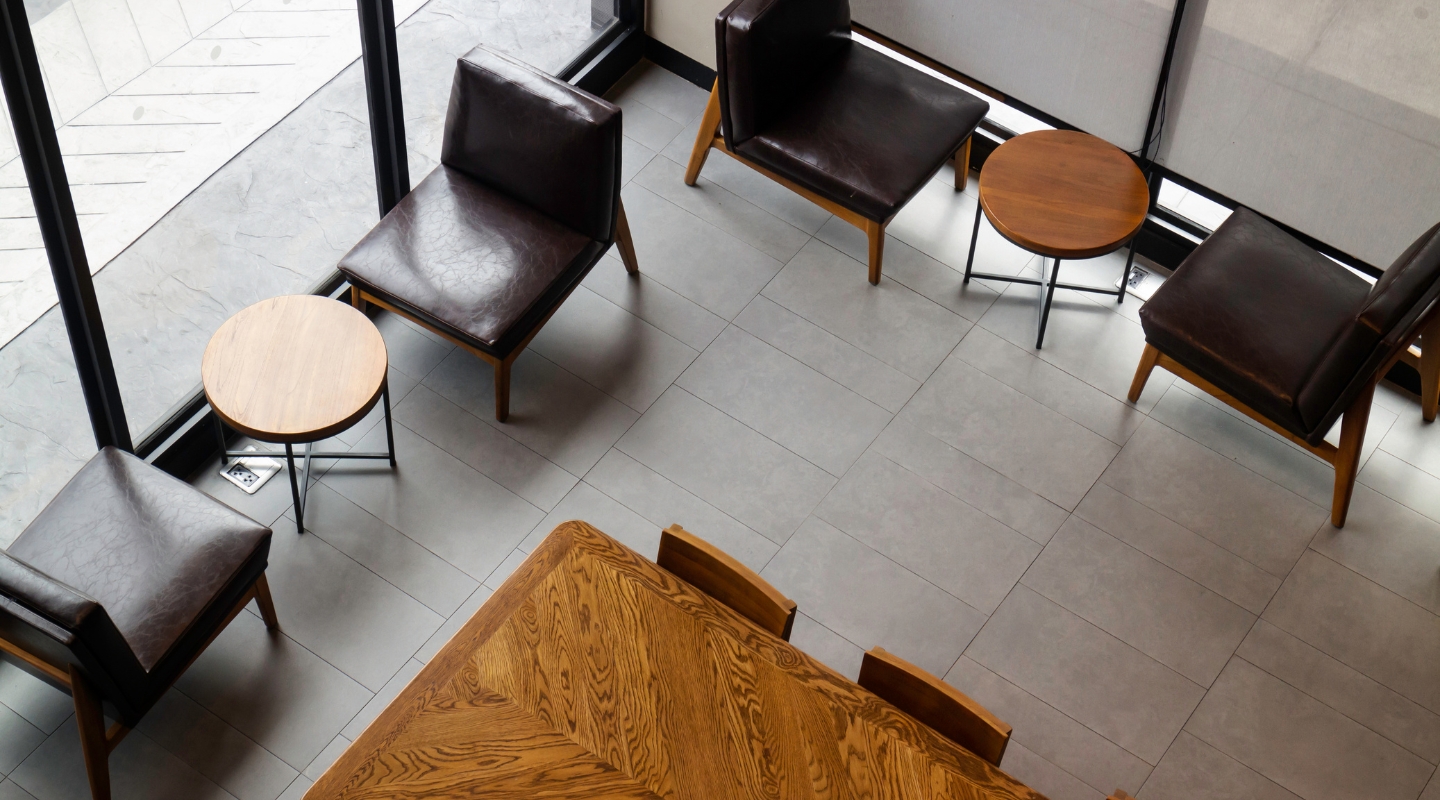
Many Korean cafés focus on clean architectural lines, monochrome palettes and sculptural furniture pieces. Tables and chairs sometimes double as design statements, helping create an environment that is both photogenic and comfortable.
Furniture commonly found in Korean-style cafés includes:
Curved wooden chairs with minimalist silhouettes
Rounded café tables with stone or wood tops
Neutral upholstered seating in soft tones
Compact two-person tables arranged in open layouts
These interiors are frequently designed with social media visibility in mind. Guests are naturally drawn to spaces where the furniture and architecture create visually striking backgrounds.
For café operators, this means balancing aesthetic appeal with durability—especially when working with high-traffic environments.
Low Seating Concepts in Korean and Japanese Restaurants
Some Korean and Japanese restaurants incorporate low seating arrangements inspired by traditional dining styles. While fully traditional floor seating is less common in modern commercial spaces, its influence can still be seen in furniture design.
Low benches, platform seating and shorter tables are sometimes used to create intimate dining zones within larger restaurants.
This approach adds visual variety to interiors and allows designers to create different experiences within a single space. A restaurant might feature bar seating near the kitchen, standard tables in the main area and a low seating corner for a more relaxed atmosphere.
Restaurants planning such layouts must ensure that seating remains comfortable for guests who may not be familiar with traditional dining postures.
Well-designed furniture helps bridge the gap between cultural inspiration and modern comfort expectations.
Material Choices That Define Asian-Themed Interiors
Material selection plays a significant role in establishing the atmosphere of Korean and Japanese dining spaces.
Natural materials often dominate these interiors. Wood is particularly prominent because it introduces warmth and texture without overwhelming the visual environment.
Other materials frequently used include:
Natural stone or ceramic table tops
Matte metal accents for structural elements
Woven textures for decorative features
Neutral fabrics for upholstered seating
These materials complement both minimalist and contemporary interior concepts while maintaining a sense of authenticity.
Restaurant owners seeking cohesive interiors often collaborate with experienced furniture manufacturers such as Rasa Bloom, who understand how materials, construction and design aesthetics interact in hospitality environments.
Layout Strategies for Authentic Dining Experiences
Beyond furniture design, the arrangement of seating plays a key role in capturing the spirit of Korean and Japanese dining culture.
Japanese restaurants often prioritise counter seating, especially in sushi or ramen establishments. This layout creates a strong connection between chefs and diners, allowing guests to observe food preparation up close.
Korean restaurants, particularly barbecue venues, frequently centre the dining experience around shared tables equipped with grilling systems. Seating is arranged to accommodate group dining, reflecting the communal nature of Korean cuisine.
Cafés inspired by Korean design trends usually favour open layouts with generous spacing between tables. This allows the architectural features and furniture pieces to stand out visually.
Each approach creates a different type of dining environment, but all share a strong focus on how guests interact with the space.
Blending Cultural Influence with Modern Hospitality Needs
While cultural inspiration provides the foundation for themed restaurant interiors, modern hospitality requirements must also be considered. Furniture must remain durable, comfortable and practical for daily operations.
High-quality construction ensures that chairs remain stable despite frequent movement, while table surfaces must resist stains and cleaning chemicals.
Restaurants seeking themed interiors often work with a specialised restaurant furniture supplier Singapore hospitality projects rely on to ensure furniture meets both aesthetic and functional expectations.
This balance allows restaurants to maintain authentic visual identity without compromising operational efficiency.
Conclusion
Korean and Japanese themed restaurants offer some of the most visually distinctive dining experiences in modern hospitality. Their interiors combine cultural tradition with contemporary design, creating environments that feel both immersive and welcoming.
Furniture plays a central role in shaping these spaces. From the cozy warmth of izakaya-inspired seating to the sleek minimalism of modern Korean cafés, each style contributes to the overall character of the restaurant.
By understanding how materials, layout and design principles influence guest experience, restaurant owners can create interiors that reflect cultural authenticity while remaining practical for daily operations.
With thoughtful planning and support from experienced hospitality furniture providers such as Rasa Bloom, restaurants can transform design inspiration into durable, functional seating environments that elevate the entire dining experience.
Frequently Asked Questions
1. What furniture style is commonly used in Japanese restaurants?
Japanese restaurants often feature minimalist wooden furniture, counter seating, and simple stools that emphasise craftsmanship and natural materials.
2. What defines Korean café interior design?
Korean cafés typically combine modern minimalism with visually striking furniture and open layouts designed to create a stylish, social atmosphere.
3. Is communal seating common in Korean and Japanese restaurants?
Yes. Izakaya-style restaurants and Korean barbecue venues frequently use communal tables to encourage social dining experiences.
4. How can restaurants achieve authentic themed interiors?
Authenticity often comes from thoughtful material choices, appropriate seating layouts and furniture designs that reflect traditional cultural influences.