

Commercial Grade Restaurant Furniture: Fibreglass & Polypropylene Chairs
Singapore’s F&B industry operates in one of the most challenging climates for furniture durability. High humidity, fluctuating temperatures, frequent cleaning, and intense daily traffic create a demanding environment that quickly exposes weak materials.
For café owners, restaurant operators, food court managers, and hospitality planners, selecting the right seating is critical. Among the most reliable options today are fibreglass and polypropylene chairs — both widely used in commercial grade restaurant furniture applications.
These materials are especially popular for stackable restaurant chairs and durable cafe chairs operators depend on for long-term performance. This article explores why these materials are exceptionally suited for tropical F&B environments and how to choose them wisely.
Understanding Singapore’s Climate Impact on Restaurant Furniture
Singapore’s tropical conditions are characterised by:
Year-round humidity
Sudden heavy rainfall
High average temperatures
Occasional semi-outdoor dining setups
Traditional wooden or fabric-heavy furniture can absorb moisture, leading to warping, mold growth, and odours. Metal components without proper coating may corrode. Upholstery can deteriorate quickly when exposed to frequent sanitization.
This is why many operators are transitioning toward synthetic composite materials that are engineered to withstand environmental stress.
Companies like Rasa Bloom increasingly recommend fibreglass and polypropylene options when advising clients on resilient seating for high-traffic establishments.

What Makes Fibreglass Chairs Ideal for F&B?
Fibreglass chairs are constructed using reinforced plastic composite materials, combining strength and flexibility.
1. Exceptional Structural Strength
Fibreglass offers high tensile strength while remaining relatively lightweight. This makes it suitable for busy dining environments where chairs are frequently moved or stacked.
Unlike brittle plastics, reinforced fibreglass resists cracking under repeated stress, making it a dependable option in commercial grade restaurant furniture collections.
2. Resistance to Humidity and Moisture
Fibreglass does not absorb moisture, making it highly resistant to swelling or deterioration in Singapore’s humid climate. This is especially valuable for:
Outdoor alfresco cafés
Semi-open hawker-style setups
Poolside or rooftop restaurants
Operators sourcing durable cafe chairs Singapore often prioritise this material for longevity in humid conditions.
3. Design Versatility
Modern fibreglass chairs come in sleek contemporary forms, minimalist silhouettes, and bold colours. They complement industrial cafés, modern bistros, and even upscale casual dining concepts.
With proper UV stabilisation, colours remain vibrant despite prolonged exposure to sunlight.
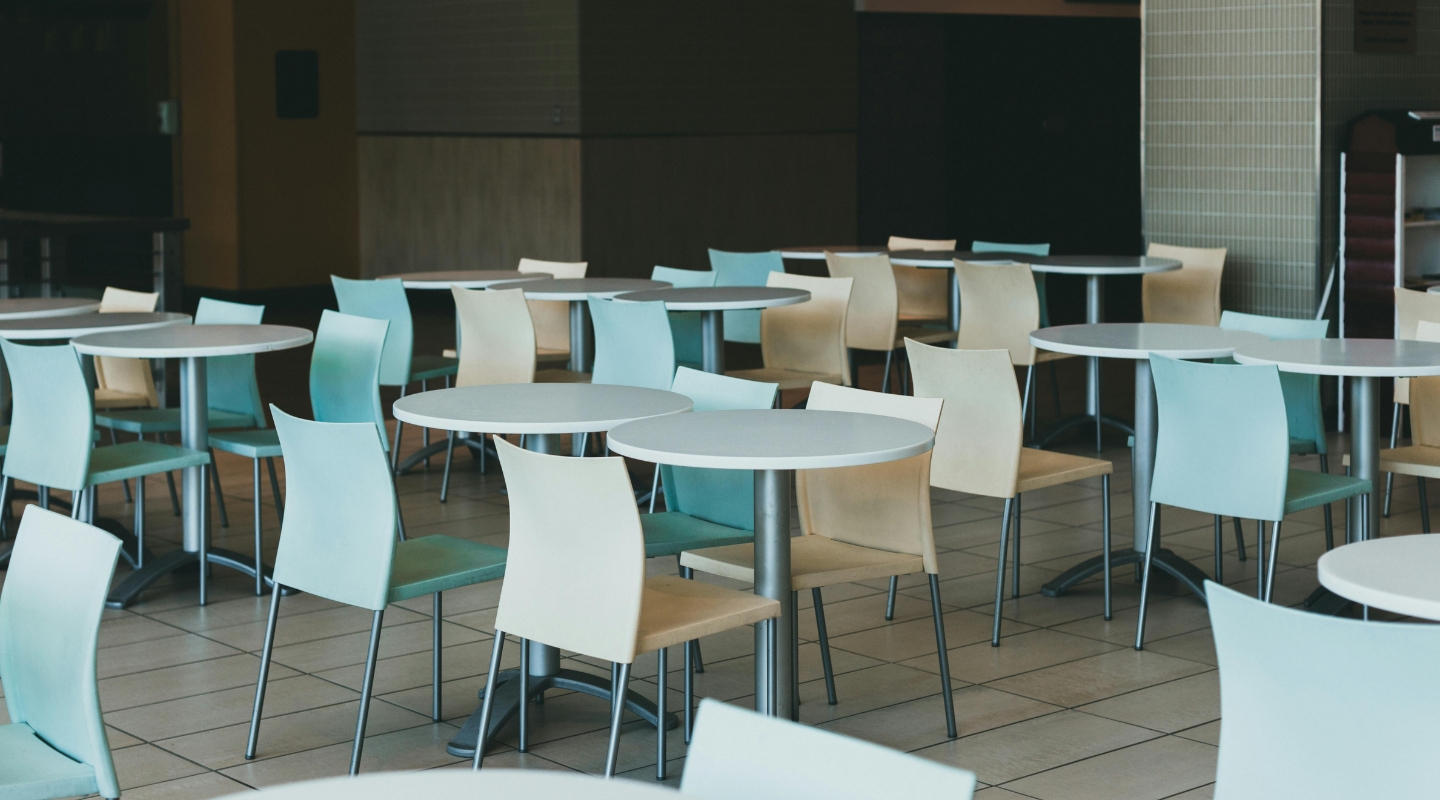
Why Polypropylene Chairs Dominate High-Traffic Venues
Polypropylene is one of the most widely used materials in hospitality seating for practical reasons.
1. Lightweight & Stackable
Polypropylene chairs are extremely lightweight, making them ideal stackable restaurant chairs for venues requiring frequent layout adjustments.
Stackability allows efficient storage, which is crucial for:
Food courts
Event spaces
Multi-purpose halls
Cafés with limited back-of-house space
Properly designed stacking guides prevent damage during storage.
2. Easy Maintenance
Polypropylene surfaces are smooth and non-porous, allowing quick wipe-downs between customer turnovers. This reduces labour time and ensures compliance with hygiene expectations.
In environments requiring frequent sanitization, polypropylene maintains integrity without fading or cracking.
Rasa Bloom supplies polypropylene models engineered specifically for intensive cleaning cycles common in Singapore’s F&B operations.
3. Cost-Effective Longevity
While not as visually heavy as wood or upholstered seating, polypropylene chairs provide excellent value due to:
Lower replacement frequency
Minimal maintenance costs
High resistance to impact
For operators managing multiple outlets, this balance of durability and affordability is especially attractive.
Comparing Fibreglass vs Polypropylene
Both materials are highly suitable, but their strengths differ slightly.
Fibreglass chairs generally offer superior structural rigidity and are often selected for premium cafés seeking a more refined finish. Polypropylene chairs excel in lightweight mobility and budget-conscious scalability.
In many projects, designers combine both materials depending on usage zones — for example, fibreglass for main dining areas and polypropylene for outdoor seating.
Consulting specialists such as Rasa Bloom ensures appropriate material selection based on concept and traffic patterns.
Are Synthetic Chairs Truly Commercial Grade?
A common misconception is that plastic-based seating cannot qualify as commercial grade restaurant furniture. In reality, commercial-grade standards depend on engineering quality rather than material category.
High-quality fibreglass and polypropylene chairs feature:
Reinforced internal ribs
Injection-moulded structural integrity
Weight-bearing certifications
UV-resistant additives
Anti-slip foot caps
These features make them suitable for demanding hospitality environments.
Applications Across Different F&B Concepts
Cafés & Coffee Chains
Modern cafés benefit from colourful, contemporary seating that complements brand identity. Durable cafe chairs Singapore businesses choose often prioritise lightweight comfort with easy cleaning.
Food Courts & Hawker-Style Venues
Stackability and resilience are critical in high-density dining. Polypropylene chairs are commonly used due to rapid reconfiguration needs.
Outdoor Restaurants
Fibreglass chairs withstand sun and rain exposure better than untreated wood or basic metal frames.
Quick-Service Restaurants
Fast turnover demands surfaces that can be sanitized repeatedly without deterioration.
Ergonomics & Comfort Considerations
Despite being synthetic materials, both fibreglass and polypropylene can be moulded into ergonomic shapes that provide back support and seating comfort.
Design innovations now include:
Contoured seat shells
Breathable perforated backs
Optional seat cushions
Integrated armrests
When selecting stackable restaurant chairs, comfort should remain a priority to encourage longer dwell time where appropriate.
Sustainability Considerations
Modern polypropylene products often incorporate recyclable materials. Durable construction also reduces waste by extending lifespan.
Institutions and environmentally conscious brands increasingly consider lifecycle impact when choosing commercial grade restaurant furniture.
Working with responsible suppliers ensures materials meet both durability and sustainability expectations.
Maintenance & Care Tips
To maximise lifespan:
Clean with non-abrasive cloths
Avoid excessive chemical concentration
Inspect stacking alignment regularly
Replace worn foot glides promptly
Simple preventive maintenance extends durability significantly.
Cost vs Long-Term Value
Although fibreglass chairs may cost slightly more upfront than basic polypropylene models, their structural strength can justify the investment for premium settings.
Polypropylene remains highly cost-efficient for large-scale deployments.
Evaluating traffic volume, environment exposure, and brand positioning helps determine the best fit.
Rasa Bloom assists operators in assessing these variables to ensure cost-effective yet durable outcomes.
Conclusion
Singapore’s tropical climate demands intelligent material selection for hospitality seating. Fibreglass and polypropylene chairs have proven themselves as reliable solutions in commercial grade restaurant furniture portfolios.
From lightweight stackable restaurant chairs in food courts to stylish durable cafe chairs Singapore cafés rely on daily, these materials offer:
Moisture resistance
Structural resilience
Easy maintenance
Design versatility
Cost efficiency
By partnering with experienced suppliers like Rasa Bloom, F&B operators can confidently select seating solutions engineered to perform in Singapore’s demanding dining environment.
Frequently Asked Questions
1. Are fibreglass chairs suitable for outdoor dining in Singapore?
Yes. Fibreglass is moisture-resistant and performs well in humid or semi-outdoor environments when properly UV-treated.
2. Do polypropylene chairs fade over time?
High-quality polypropylene chairs include UV stabilisers that reduce colour fading, especially when sourced from reputable suppliers.
3. Can synthetic chairs support heavy weight?
Commercial-grade models are engineered with reinforced internal structures and are designed to meet weight-bearing standards.
4. Which is better for cafés: fibreglass or polypropylene?
It depends on the concept. Fibreglass offers a more premium feel, while polypropylene provides lightweight flexibility and cost efficiency.