

Metal vs Wood Restaurant Chairs: The Singapore F&B Operator’s Definitive Comparison Guide
Choosing the right restaurant chairs is more than a design decision — it is a long-term operational strategy. In Singapore’s competitive F&B environment, furniture must withstand high foot traffic, frequent cleaning, and daily wear while supporting brand aesthetics and revenue goals.
One of the most common dilemmas F&B owners face is this:
Should you choose metal or wood chairs?
Both materials are widely used in commercial grade restaurant furniture, but they serve different operational and branding purposes. This definitive guide compares durability, maintenance, cost, aesthetics, and ROI to help you choose the right durable cafe chairs Singapore operators depend on.
Why Chair Material Matters in Singapore F&B
Chairs are among the most heavily used assets in a restaurant. In a typical café or casual dining outlet, a single chair may be used:
50–150 times per day
Dragged across floors repeatedly
Exposed to spills and cleaning chemicals
Subjected to shifting weight and impact
Selecting the wrong material can lead to frequent replacements, safety concerns, and inconsistent brand presentation.
Working with a knowledgeable restaurant furniture supplier Singapore operators trust ensures your selection aligns with commercial standards.
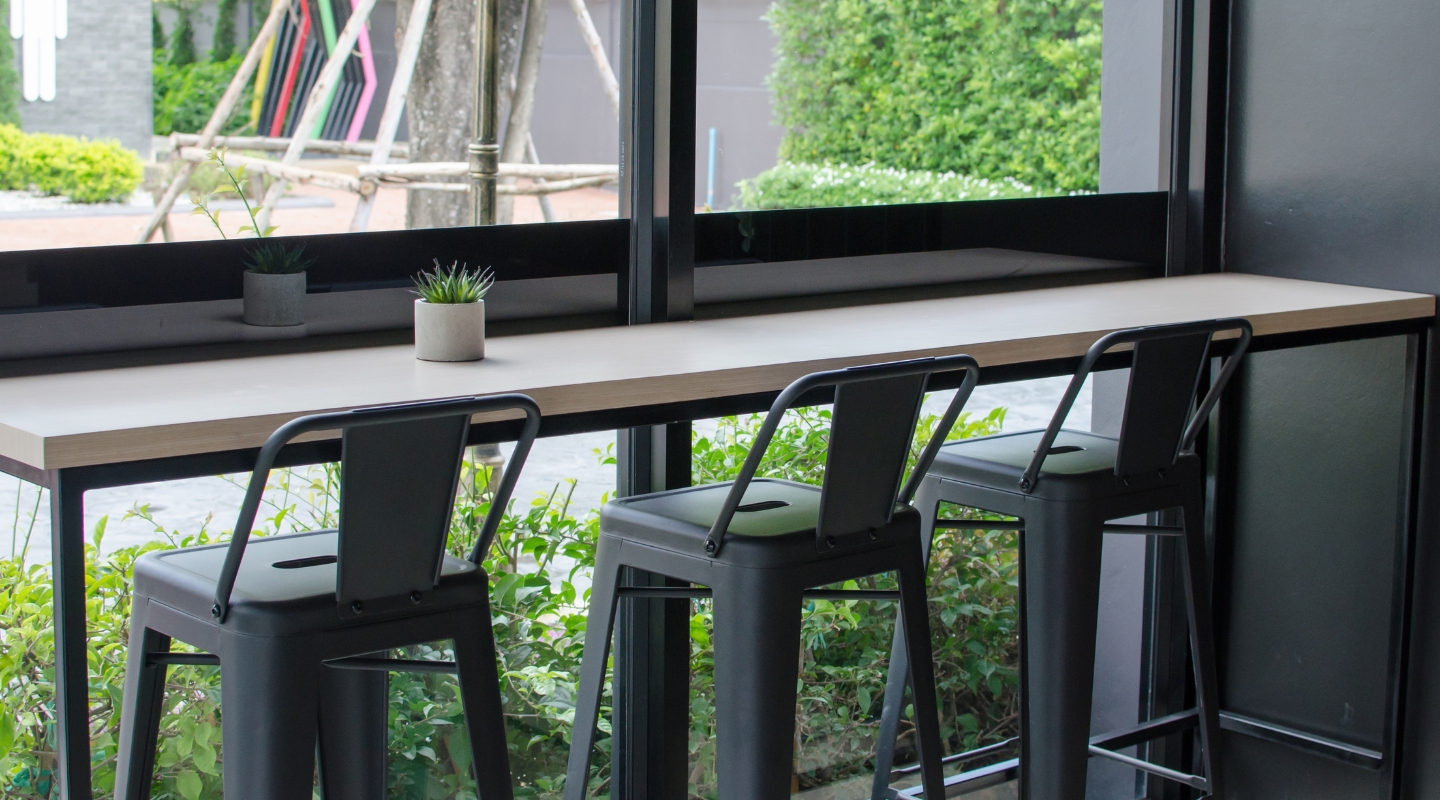
Metal Restaurant Chairs
Advantages of Metal Chairs
1. High Structural Strength
Metal frames — particularly powder-coated steel or aluminium — offer:
Strong load-bearing capacity
Resistance to warping
Long-term structural stability
They are especially suitable for high-traffic environments such as food courts and QSR outlets.
2. Slim Profile for Space Efficiency
Metal chairs often feature thinner frames compared to wood, allowing:
Higher seating density
Easier stacking (for certain models)
Cleaner, minimalist aesthetics
This is valuable in compact Singapore units where space optimisation is critical.
3. Moisture & Pest Resistance
Unlike wood, metal is:
Resistant to termites
Less affected by humidity
Less prone to cracking due to climate shifts
In Singapore’s tropical environment, this durability is a strong advantage.
Disadvantages of Metal Chairs
1. Can Feel Cold or Industrial
Metal chairs may appear:
Too harsh for cosy cafés
Less premium in certain fine-dining settings
Upholstered seats or wood accents can mitigate this issue.
2. Surface Scratches Over Time
Powder coating can scratch if not properly maintained. High-quality finishing from reputable suppliers like Rasa Bloom reduces this risk significantly.
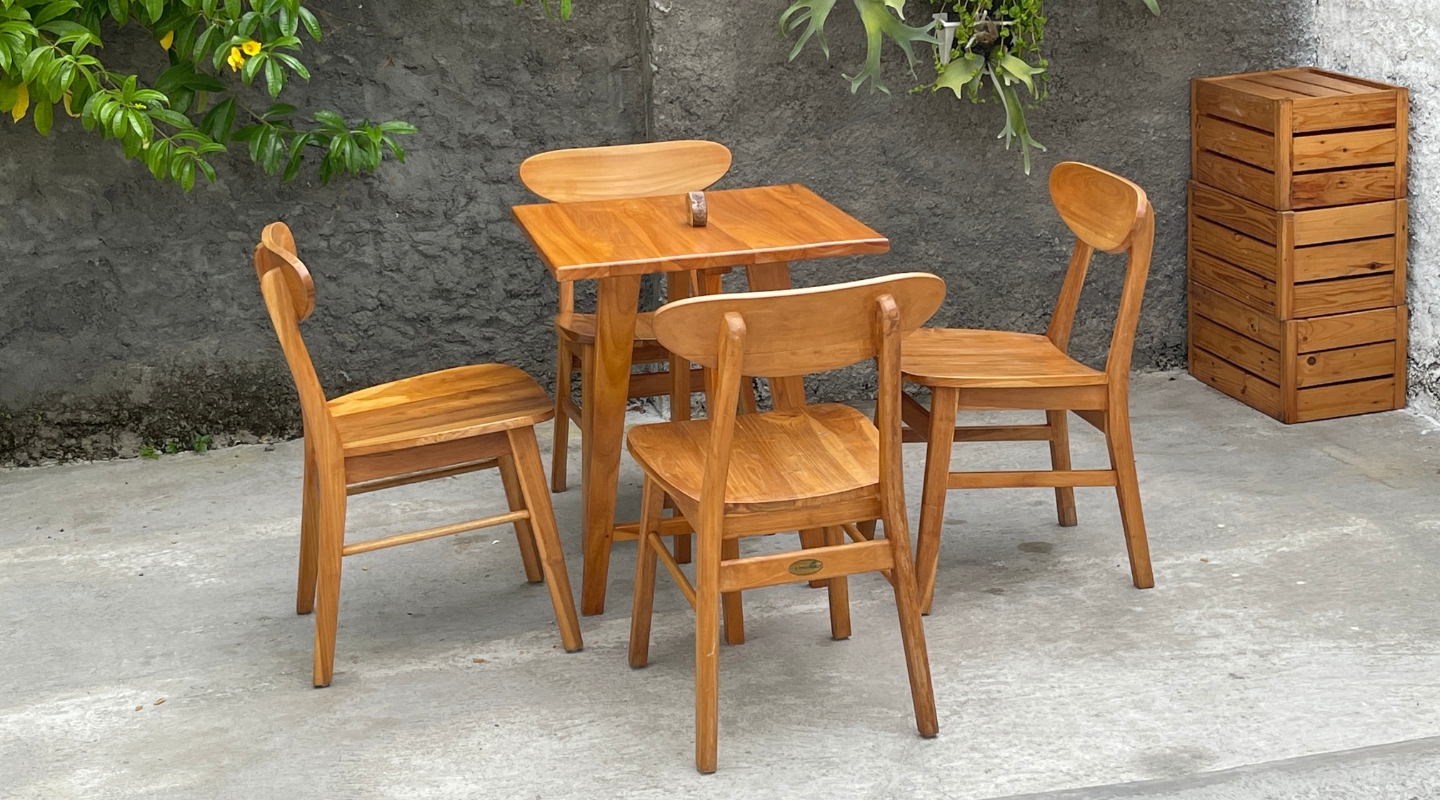
Wood Restaurant Chairs
Advantages of Wood Chairs
1. Warm & Inviting Aesthetic
Wood naturally communicates:
Comfort
Warmth
Authenticity
Craftsmanship
This makes it popular for:
Specialty coffee shops
Boutique cafés
Casual dining restaurants
For brand storytelling, wood often delivers stronger emotional appeal.
2. Timeless Versatility
Wood chairs fit multiple design themes:
Scandinavian
Japandi
Rustic
Contemporary
Heritage
This flexibility supports long-term brand evolution.
3. Repair & Refinishing Potential
High-quality solid wood chairs can be:
Sanded
Refinished
Repaired
This can extend lifespan when properly maintained.
Disadvantages of Wood Chairs
1. Susceptible to Humidity
Without proper treatment, wood may:
Expand or contract
Crack over time
Warp in high moisture conditions
This is why sourcing commercial grade restaurant furniture built for tropical climates is critical.
2. Heavier Construction
Solid wood chairs may be:
Heavier to move
More difficult for staff during cleaning
Less stackable
This impacts operational efficiency in fast-paced outlets.
Durability Comparison
When evaluating durable cafe chairs operators need, durability depends on build quality more than material alone.
Metal Chairs Excel In:
High-turnover QSR outlets
Food courts
Outdoor or semi-outdoor settings
Stackable storage requirements
Wood Chairs Excel In:
Premium café concepts
Boutique dining environments
Lower-turnover establishments
Brand-focused experiential spaces
Both materials can perform well if manufactured to commercial standards.
Maintenance Comparison
Metal Maintenance
Easy to wipe clean
Resistant to most cleaning chemicals
Requires occasional touch-up for scratches
Ideal for environments with frequent sanitisation.
Wood Maintenance
Requires gentler cleaning products
May need refinishing over time
Sensitive to prolonged water exposure
In Singapore’s high-sanitation environment, protective coatings are essential.
Cost Considerations
Initial Cost
Basic metal chairs are often more affordable
Solid hardwood chairs typically cost more
Long-Term Cost
Cheap metal chairs may bend over time
Poor-quality wood chairs may crack
Investing in well-built options from experienced suppliers like Rasa Bloom ensures better long-term ROI regardless of material.
Comfort & Ergonomics
Comfort is influenced by:
Seat shape
Backrest angle
Cushioning (if any)
Armrest presence
Metal chairs often benefit from:
Upholstered seat pads
Contoured backrests
Wood chairs may feel firmer but can be enhanced with seat cushions.
For longer dwell-time cafés, comfort becomes a revenue driver.
Noise Considerations
Metal chairs can:
Produce louder dragging sounds
Create clanging noise in high-traffic areas
Wood chairs typically:
Produce softer contact noise
Feel acoustically warmer
Installing rubber leg caps significantly reduces noise for both types.
Sustainability Factors
Wood chairs made from responsibly sourced timber may support eco-friendly branding.
Metal chairs, on the other hand:
Are recyclable
Often have longer structural lifespan
Sustainability depends more on manufacturing quality and lifecycle than raw material alone.
Hybrid Solutions: The Best of Both Worlds
Many Singapore operators combine materials:
Metal frame with wooden seat
Wood frame with metal reinforcement
Upholstered wood chairs for premium zones
Metal chairs for high-turnover sections
This hybrid approach balances durability, comfort, and aesthetics.
An experienced restaurant furniture supplier Singapore operators trust can guide this strategy effectively.
Concept-Based Recommendations
Choose Metal Chairs If:
You operate a QSR or food court
Space is extremely limited
High stacking capability is required
Cleaning frequency is very high
Choose Wood Chairs If:
Brand warmth is essential
You target longer customer dwell times
Your concept emphasises design aesthetics
Seating turnover is moderate
Understanding your business model is more important than following trends.
Common Mistakes to Avoid
Buying residential-grade wood chairs
Choosing thin, low-gauge metal frames
Ignoring weight capacity specifications
Overlooking humidity resistance
Focusing purely on appearance over durability
These mistakes increase replacement frequency and operational costs.
Why Supplier Expertise Matters
Material choice alone does not guarantee performance.
A reputable h businesses rely on should provide:
Commercial-grade specifications
Reinforced frame construction
Protective finishing suitable for tropical climate
Warranty support
With extensive experience in Singapore’s F&B market, Rasa Bloom supplies commercial grade restaurant furniture designed to meet the daily demands of high-traffic environments.
Frequently Asked Questions
1. Are metal chairs more durable than wood?
Not necessarily. High-quality hardwood chairs can be just as durable if built to commercial standards.
2. Which is better for humid Singapore climate?
Powder-coated metal is more moisture-resistant, but properly treated wood performs well too.
3. Are wood chairs suitable for food courts?
Generally less ideal due to heavy turnover and maintenance demands.
4. Can I mix metal and wood chairs in one outlet?
Yes. Many operators use hybrid layouts to balance durability and aesthetic appeal.
Choose Based on Strategy, Not Trend
There is no universal “better” material — only the right choice for your specific business model.
Metal chairs offer strength, space efficiency, and low maintenance for high-turnover environments. Wood chairs deliver warmth, branding flexibility, and premium ambience for experiential dining concepts.
The key is sourcing durable cafe chairs operators can depend on — built to true commercial grade restaurant furniture standards.
By working with Rasa Bloom, F&B owners can make informed, strategic decisions that protect investment and enhance long-term profitability.