

Cafe Lounge Furniture Singapore: Creating Comfortable Wait & Dwell Areas for Coffee Shops & Bistros
In Singapore’s competitive café scene, success is no longer defined solely by coffee quality. Ambience, comfort, and spatial experience now play an equally powerful role in influencing customer behaviour.
One often-overlooked opportunity lies in lounge and waiting areas. Thoughtfully planned lounge seating can extend dwell time, encourage additional purchases, and elevate brand perception — all without dramatically increasing floor space.
This guide explores how to optimise cafe furniture Singapore businesses rely on to create inviting lounge zones using commercial-grade hospitality furniture Singapore operators trust.
Why Lounge Areas Matter in Singapore Cafés
In high-footfall areas such as malls, CBD zones, and lifestyle districts, cafés frequently experience:
Weekend queues
Peak-hour congestion
Customers waiting for takeaway orders
Remote workers seeking relaxed seating
Without designated lounge zones, customers may:
Leave due to lack of waiting space
Crowd ordering counters
Occupy high-turnover dining tables unnecessarily
Strategic lounge furniture creates controlled flow while improving customer satisfaction.
Understanding Dwell Time & Revenue Impact
Longer dwell time often correlates with:
Additional beverage orders
Dessert add-ons
Social media engagement
Higher customer loyalty
While QSR concepts aim for rapid turnover, cafés and bistros benefit from extended stays — especially in lifestyle-oriented districts.
Well-designed lounge areas support this business model.
Key Elements of Effective Café Lounge Design
1. Clear Zoning Between Dining & Lounge Areas
Separate lounge zones from primary dining tables to:
Maintain order flow efficiency
Avoid blocking service pathways
Reduce noise concentration
Soft partitions, planter dividers, or subtle flooring changes can define lounge spaces without walls.
2. Comfortable but Structured Seating
Lounge furniture must balance relaxation with practicality.
Ideal seating options include:
Low-back lounge chairs
Upholstered armchairs
Compact two-seater sofas
Ottoman pairings
Accent side tables
When sourcing cafe furniture Singapore operators depend on, ensure seating is commercial-grade — not residential décor pieces.
Suppliers like Rasa Bloom offer hospitality-specific builds designed for durability.
Material Considerations for Singapore’s Climate
Singapore’s humidity requires careful material selection.
Recommended Upholstery Options
Performance fabric
Commercial-grade velvet
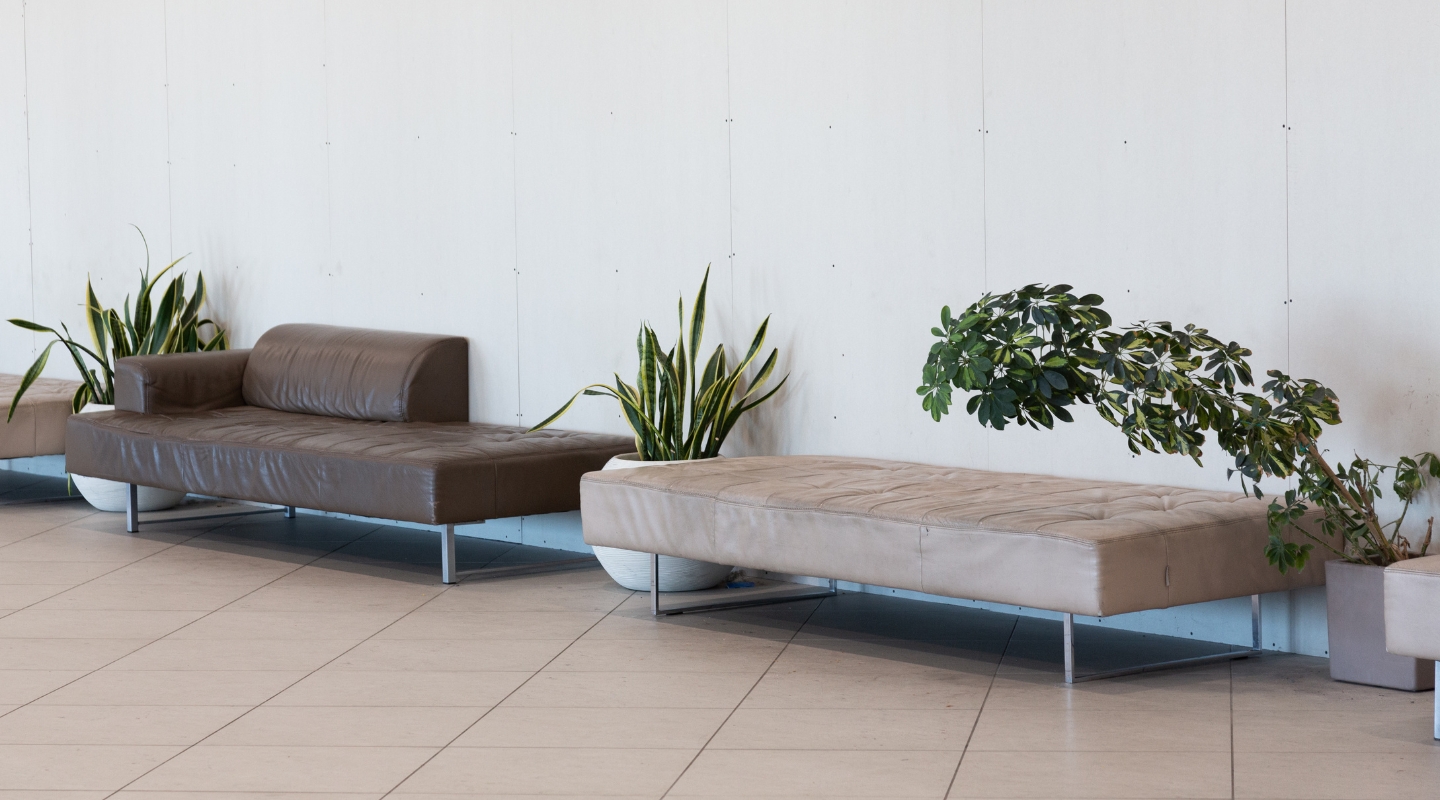
PU leather (easy-clean)
Moisture-resistant synthetic blends
Avoid untreated natural fabrics that absorb humidity and stain easily.
Commercial-grade foam with high density ensures long-term shape retention even under daily usage.
Space Planning for Compact Café Units
Many Singapore cafés operate within 800–1,200 sq ft units. Lounge areas must be efficiently integrated.
Smart Layout Strategies
Window-side lounge bench seating
Corner L-shaped sofa modules
Built-in wall banquette with loose lounge chairs
Shared central coffee tables
Avoid oversized sofas that dominate the floor plan.
An experienced hospitality furniture supplier can recommend modular configurations tailored to your layout.
Enhancing Customer Experience Through Comfort
Lounge zones create emotional impact.
They signal:
Warmth
Hospitality
Relaxed community atmosphere
Premium positioning
This is particularly effective for:
Specialty coffee brands
Artisan bakeries
Brunch cafés
Boutique bistros
Comfort influences perception — and perception supports pricing strategy.
Designing for Multi-Purpose Use
Modern cafés serve multiple customer types:
Solo remote workers
Couples
Small group gatherings
Casual business meetings
Flexible lounge furniture supports this diversity.
Versatile Lounge Setup Ideas
Modular sofas that reconfigure
Movable side tables
Stackable accent stools
Power outlet integration
These features transform lounge zones into productive micro-spaces.
Noise & Acoustics Benefits
Soft furnishings absorb sound — a significant advantage in busy cafés.
Lounge seating reduces:
Echo from hard surfaces
Clatter noise
Overall ambient volume
Improved acoustics enhance customer comfort, especially in mall-based cafés.
Maintenance & Cleaning Considerations
Lounge areas must still meet hygiene standards.
Practical Maintenance Guidelines
Use stain-resistant fabrics
Choose removable cushion covers where possible
Install protective leg glides
Avoid deep crevices that trap debris
Commercial lounge furniture should withstand frequent vacuuming and surface cleaning.
Working with experienced providers like Rasa Bloom ensures materials meet operational demands, not just aesthetic expectations.
Visual Merchandising & Instagram Appeal
In Singapore’s social media-driven dining culture, lounge zones often become photo hotspots.
Design elements that elevate visual appeal:
Contrasting upholstery colours
Statement armchairs
Accent cushions
Coordinated coffee tables
Integrated greenery
A well-styled lounge area increases organic marketing through customer-generated content.
Balancing Lounge Space with Table Turnover
While lounges extend dwell time, over-allocation can reduce overall seating capacity.
Recommended Allocation
For most cafés:
15–25% of total seating area for lounge
75–85% dedicated to dining tables
This ensures balance between relaxed ambience and revenue optimisation.
An experienced cafe furniture Singapore supplier can help model seating ratios effectively.
Brand Alignment Through Furniture Selection
Furniture communicates brand personality.
Industrial Concept
Leather lounge chairs
Metal-framed sofas
Dark wood accents
Scandinavian Café
Light fabric upholstery
Pale wood coffee tables
Soft neutral tones
Modern Boutique Bistro
Velvet armchairs
Marble-top side tables
Brass or gold accents
Customising furniture through a trusted hospitality furniture Singapore provider ensures brand consistency.
Cost Considerations & ROI
Lounge furniture typically involves higher upfront investment than simple dining chairs.
However, ROI is driven by:
Increased average order value
Repeat customer visits
Enhanced brand perception
Longer operational lifespan
When carefully planned, lounge seating supports both experiential value and financial performance.
Sustainability & Longevity
Commercial-grade lounge furniture should prioritise:
Durable internal framing
Replaceable upholstery
High-density foam
FSC-certified wood where applicable
Long-lasting furniture reduces replacement frequency — aligning with sustainability goals.
Common Mistakes to Avoid
Using residential sofas not built for commercial use
Overcrowding lounge zones
Ignoring cleaning practicality
Selecting low-density foam that sags quickly
Blocking service flow pathways
Avoiding these errors protects both customer experience and operational efficiency.
Why Partner with an Experienced Supplier?
Selecting lounge furniture is not just about style — it involves:
Space planning expertise
Commercial-grade material knowledge
Brand alignment strategy
Durability forecasting
A specialist like Rasa Bloom understands how lounge seating integrates into broader cafe furniture layouts and operational goals.
Their experience in providing hospitality furniture businesses trust ensures that comfort, durability, and brand impact work together.
Frequently Asked Questions
1. How much space should a café allocate to lounge seating?
Typically 15–25% of total seating space, depending on concept and turnover goals.
2. Is lounge furniture suitable for high-traffic cafés?
Yes, if built to commercial standards with durable upholstery and reinforced framing.
3. Does lounge seating reduce table turnover?
It can increase dwell time, which is beneficial for cafés focused on premium experience rather than rapid turnover.
4. What materials are best for Singapore’s humid climate?
Performance fabrics, PU leather, and moisture-resistant synthetic upholstery are recommended.
Lounge Areas as Revenue & Brand Drivers
In Singapore’s evolving café landscape, lounge seating is no longer a luxury — it is a strategic business tool. Thoughtfully configured lounge areas improve customer flow, enhance comfort, increase dwell time, and strengthen brand positioning.
When selecting cafe furniture operators rely on, prioritising commercial durability and layout efficiency is essential. By working with Rasa Bloom, café owners can design lounge spaces that are not only inviting — but financially smart.
Investing in well-planned lounge furniture today can translate into stronger brand loyalty and sustainable growth tomorrow.