

Hotel Restaurant Furniture Setup Guide: From Lobby Cafe to All-Day Dining Areas
Designing a hotel dining environment requires more than choosing attractive seating. Hotels must balance aesthetics, durability, brand identity, and guest comfort — all while ensuring furniture can withstand continuous use. Selecting the right hotel banquette furniture Singapore buyers prefer is a strategic decision that affects guest experience, operational efficiency, and long-term maintenance costs.
From lobby cafés to buffet halls and fine-dining restaurants, every hotel F&B space has different functional requirements. This guide explains how to plan, select, and optimize hospitality furniture Singapore hotels need to create inviting and high-performance dining environments.
Why Hotel Dining Furniture Requires Specialized Planning
Unlike standalone restaurants, hotel dining spaces serve multiple purposes throughout the day. Furniture must adapt to different guest types and usage scenarios:
Breakfast buffets
Business meetings
Afternoon tea
Casual dining
Fine dining dinners
Event catering
Hotel furniture must therefore be versatile, durable, and brand-aligned. Poorly chosen pieces can disrupt traffic flow, reduce seating capacity, or increase replacement costs.
Understanding Different Hotel Dining Zones
Each zone inside a hotel requires a tailored furniture strategy.
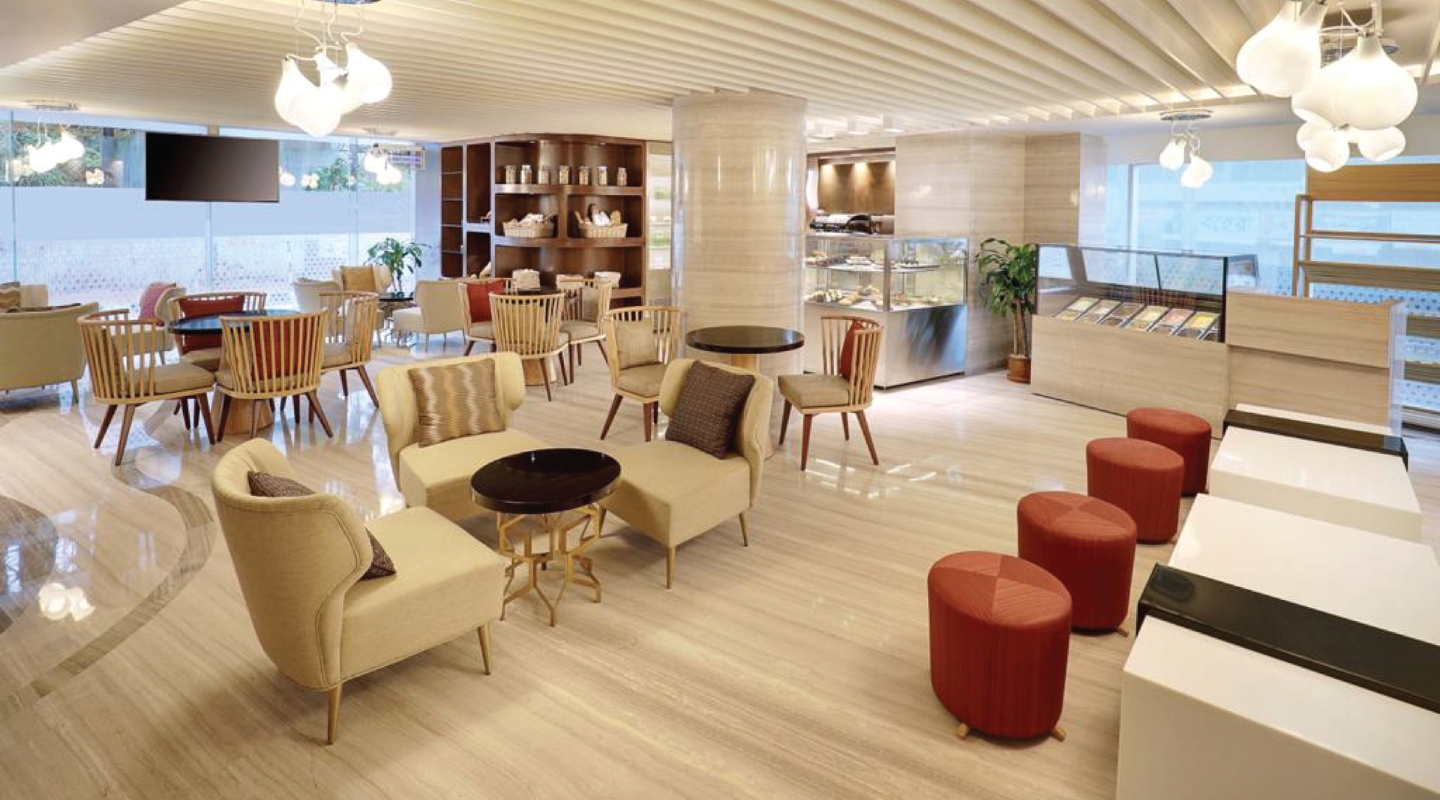
Lobby Cafés
Lobby cafés act as informal meeting spaces and waiting lounges. Furniture should be comfortable yet structured enough for short-term seating.
Recommended features:
Upholstered chairs with supportive backs
Low tables for beverages
Modular seating layouts
All-Day Dining Restaurants
These venues serve breakfast, lunch, and dinner, so furniture must be adaptable for varying guest volumes.
Key considerations:
Flexible seating arrangements
Easy-clean surfaces
Durable materials
Fine Dining Restaurants
Fine dining spaces require premium aesthetics and comfort.
Best choices:
Upholstered dining chairs
Banquette seating
Elegant table tops
Poolside or Outdoor Dining Areas
Outdoor hotel dining requires weather-resistant materials that can withstand humidity and sun exposure.
Why Banquette Seating Is Popular in Hotels
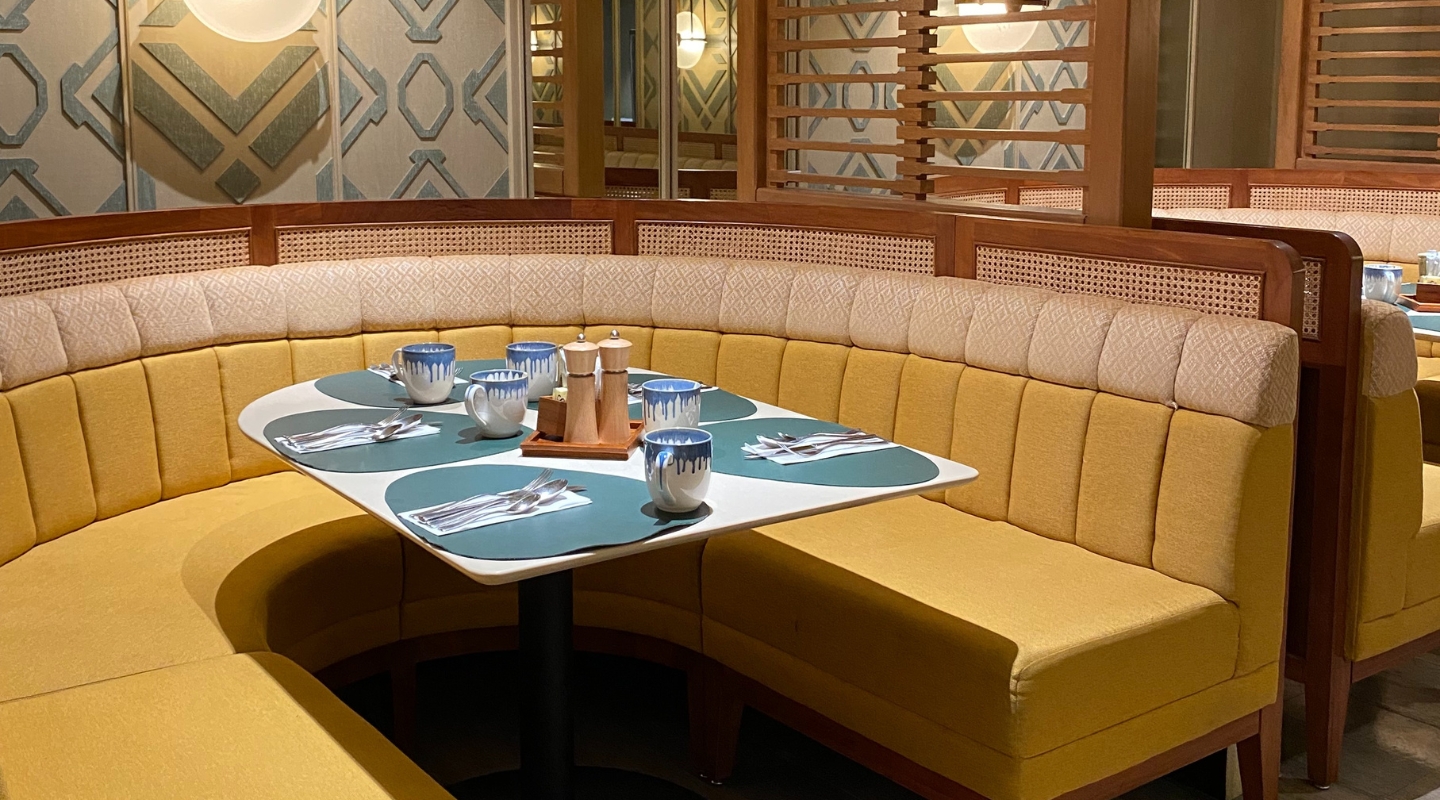
Banquette seating is a top choice for hotel restaurants because it combines comfort, space efficiency, and design sophistication.
Advantages of Banquette Seating
Maximizes seating capacity
Improves traffic flow
Creates visual structure
Enhances guest privacy
Supports brand aesthetics
Banquettes are particularly effective in high-traffic hotel restaurants because they allow staff to manage seating efficiently during peak hours.
Hotels sourcing from professional suppliers such as Rasa Bloom often customise banquette dimensions, upholstery materials, and configurations to match interior concepts.
Material Selection for Hospitality Durability
Hospitality environments demand furniture that withstands constant use, cleaning, and movement. Choosing the right materials is crucial.
Frames
Commercial hospitality furniture typically uses:
Powder-coated steel
Aluminium
Solid hardwood
These materials resist wear and maintain structural integrity.
Upholstery
Hotel seating fabrics must be:
Stain-resistant
Easy to clean
Fade-resistant
Fire-retardant (when required)
Vinyl and performance fabrics are commonly used for hotel dining chairs and banquettes.
Table Tops
Durable table surfaces reduce maintenance costs. Popular choices include:
Sintered stone
Quartz
Laminate
Solid wood
Layout Planning Principles for Hotel Dining Areas
Furniture layout directly affects guest comfort and staff efficiency.
1. Traffic Flow
Ensure servers can move smoothly between tables. Leave adequate aisle space for service carts and guests.
2. Seating Density
Hotels must balance maximizing seats with maintaining comfort. Overcrowded layouts reduce perceived luxury.
3. Accessibility
Consider wheelchair access and family-friendly seating arrangements.
4. Visual Balance
Furniture arrangement should align with interior design focal points such as lighting features, windows, or decorative walls.
Matching Furniture to Hotel Brand Identity
Hotel furniture is part of the brand experience. Guests subconsciously associate design quality with service quality.
Luxury Hotels
Plush upholstery
Elegant finishes
Custom furniture
Boutique Hotels
Unique statement pieces
Mixed materials
Artistic designs
Business Hotels
Functional seating
Neutral tones
Practical layouts
Professional sourcing from suppliers offering hospitality furniture Singapore hotels trust ensures consistency between furniture design and brand positioning.
Comfort vs Durability: Finding the Right Balance
One of the biggest mistakes hotel owners make is prioritizing aesthetics over practicality. Furniture must look appealing, but it also needs to endure heavy daily usage.
Comfort Factors
Seat height
Backrest angle
Cushion density
Armrest placement
Durability Factors
Frame strength
Upholstery grade
Joint construction
Surface finish
Commercial-grade furniture combines both — delivering guest comfort without sacrificing longevity.
Custom vs Ready-Made Furniture: Which Is Better?
Both options have advantages depending on hotel needs.
Custom Furniture
Best for:
Luxury hotels
Unique interior themes
Brand-specific layouts
Advantages:
Perfect fit for space
Unique aesthetics
Brand consistency
Ready-Made Furniture
Best for:
Budget-conscious projects
Fast renovations
Temporary setups
Advantages:
Faster delivery
Lower cost
Easier replacement
Many hotels choose a hybrid approach — custom banquettes combined with standard chairs and tables.
Budget Planning Strategy for Hotel Furniture
Furniture investment should be evaluated over long-term operational value rather than initial price.
Cost Factors to Consider
Expected lifespan
Maintenance costs
Replacement frequency
Warranty coverage
Cleaning requirements
High-quality furniture often reduces overall expenses because it lasts longer and requires fewer repairs.
Common Mistakes Hotels Make When Choosing Furniture
Avoid these costly errors:
Buying residential-grade furniture for commercial use
Ignoring weight capacity specifications
Choosing materials unsuitable for humidity
Overcrowding seating layouts
Neglecting maintenance requirements
Working with an experienced supplier such as Rasa Bloom helps hotels avoid these pitfalls through professional consultation and product recommendations.
Procurement Checklist for Hotel Furniture Buyers
Before purchasing, confirm:
Seating capacity requirements
Indoor vs outdoor placement
Material durability ratings
Cleaning frequency needs
Storage or stacking requirements
Design theme compatibility
This ensures furniture meets both operational and aesthetic objectives.
Why Supplier Expertise Matters
Selecting a professional supplier is as important as choosing the furniture itself. A knowledgeable partner provides:
Space planning advice
Material recommendations
Customization options
Installation support
After-sales service
Hotels sourcing from trusted providers like Rasa Bloom gain access to tailored solutions designed specifically for hospitality environments rather than generic retail furniture.
Final Thoughts
Hotel dining spaces serve as social hubs, meeting points, and brand showcases. The right furniture enhances guest satisfaction, improves operational efficiency, and strengthens brand perception.
Investing in high-quality hotel banquette furniture Singapore hospitality buyers rely on ensures comfort, durability, and style across every dining zone — from lobby cafés to full-service restaurants. By selecting durable materials, planning layouts strategically, and working with experienced suppliers, hotels can create dining environments that impress guests while supporting long-term business performance.
Frequently Asked Questions
1. What type of seating is best for hotel restaurants?
Banquette seating and upholstered dining chairs are popular because they combine comfort, space efficiency, and visual appeal.
2. How durable should hotel dining furniture be?
Hotel furniture should be commercial grade, able to withstand daily heavy use, frequent cleaning, and movement.
3. Is custom hotel furniture worth the cost?
Yes. Custom furniture ensures perfect fit, brand alignment, and long-term durability, especially for premium hotels.
4. Where can hotels source reliable hospitality furniture in Singapore?
Hotels should work with specialized commercial suppliers such as Rasa Bloom to ensure quality, durability, and professional consultation.