

Waterfront & Marina Dining Restaurant Furniture Singapore: Premium Alfresco & Outdoor Solutions for Scenic Venues
Singapore’s waterfront dining scene offers some of the most sought-after experiences in the F&B industry. From marina-facing restaurants to riverside cafés and coastal venues, these locations attract customers not just for the food, but for the atmosphere and view. In such settings, furniture becomes a key element in shaping the overall experience.
Outdoor dining by the water presents unique challenges. Constant exposure to humidity, sunlight, and occasional rain requires furniture that performs reliably while maintaining a refined appearance. Choosing the right outdoor restaurant furniture and working with an experienced restaurant furniture supplier are essential steps in creating a space that is both durable and visually compelling.
The Unique Appeal of Waterfront Dining
Dining by the water carries an inherent sense of relaxation and exclusivity. Guests are drawn to open-air environments where they can enjoy natural breezes, scenic views, and a more immersive atmosphere.
Furniture plays a central role in reinforcing this experience. The right pieces can enhance the connection between the indoor and outdoor environment, creating a seamless transition that feels intentional and inviting.
Unlike indoor spaces, waterfront settings demand furniture that complements the surroundings rather than competing with them.
Environmental Challenges in Coastal and Marina Locations
Outdoor furniture in Singapore faces year-round exposure to tropical conditions. High humidity, intense sunlight, and sudden rainstorms can quickly degrade materials that are not designed for such environments.
Salt air in marina areas adds another layer of complexity, accelerating corrosion in certain metals. Without proper material selection, furniture may lose its structural integrity or visual appeal within a short period.
Selecting suitable outdoor restaurant furniture Singapore requires careful consideration of these environmental factors to ensure long-term performance.
Material Selection for Longevity
Durability begins with choosing the right materials. Not all outdoor furniture is created equal, and certain materials perform better in Singapore’s climate.
Teak and other hardwoods are popular choices due to their natural resistance to moisture. Powder-coated aluminium offers a lightweight yet corrosion-resistant alternative, while synthetic rattan provides a balance of aesthetics and durability.
The key is to select materials that can withstand exposure without requiring excessive maintenance, ensuring that the space remains attractive and functional over time.
Comfort as a Competitive Advantage
While durability is essential, comfort should never be overlooked. Waterfront dining is often associated with longer, more relaxed meals, which means seating must support extended use.
Well-designed chairs, supportive cushions, and appropriate table heights contribute to a more enjoyable experience. Outdoor cushions made with weather-resistant fabrics can provide comfort without compromising practicality.
Thoughtful furniture choices help create an environment where guests feel encouraged to stay longer and return in the future.
Layout Planning for Scenic Views
One of the main attractions of waterfront venues is the view. Furniture layout should be designed to maximise sightlines while maintaining efficient use of space.
Arranging tables to face the water enhances the dining experience, while ensuring that pathways remain clear for staff and guests. Spacing between tables should allow for privacy without disrupting the overall flow.
Effective planning transforms the view into a central feature of the dining experience rather than a secondary element.
Balancing Aesthetics with Practicality
Outdoor furniture must strike a balance between visual appeal and everyday usability. While elegant designs can elevate the space, they should not compromise durability or ease of maintenance.
Neutral tones and natural finishes often work well in waterfront settings, as they complement the surrounding environment. Subtle design details can add character without overwhelming the space.
This balance ensures that the furniture remains both functional and visually consistent with the overall concept.
Weather Resistance and Maintenance Considerations
Regular exposure to the elements means that maintenance cannot be ignored. Furniture should be easy to clean and resistant to common issues such as fading, rust, and mould.
Protective coatings, UV-resistant materials, and proper drainage design all contribute to improved performance. Routine maintenance, such as cleaning and occasional inspections, helps extend the lifespan of each piece.
Choosing the right hospitality furniture reduces the effort required to keep the space in good condition.
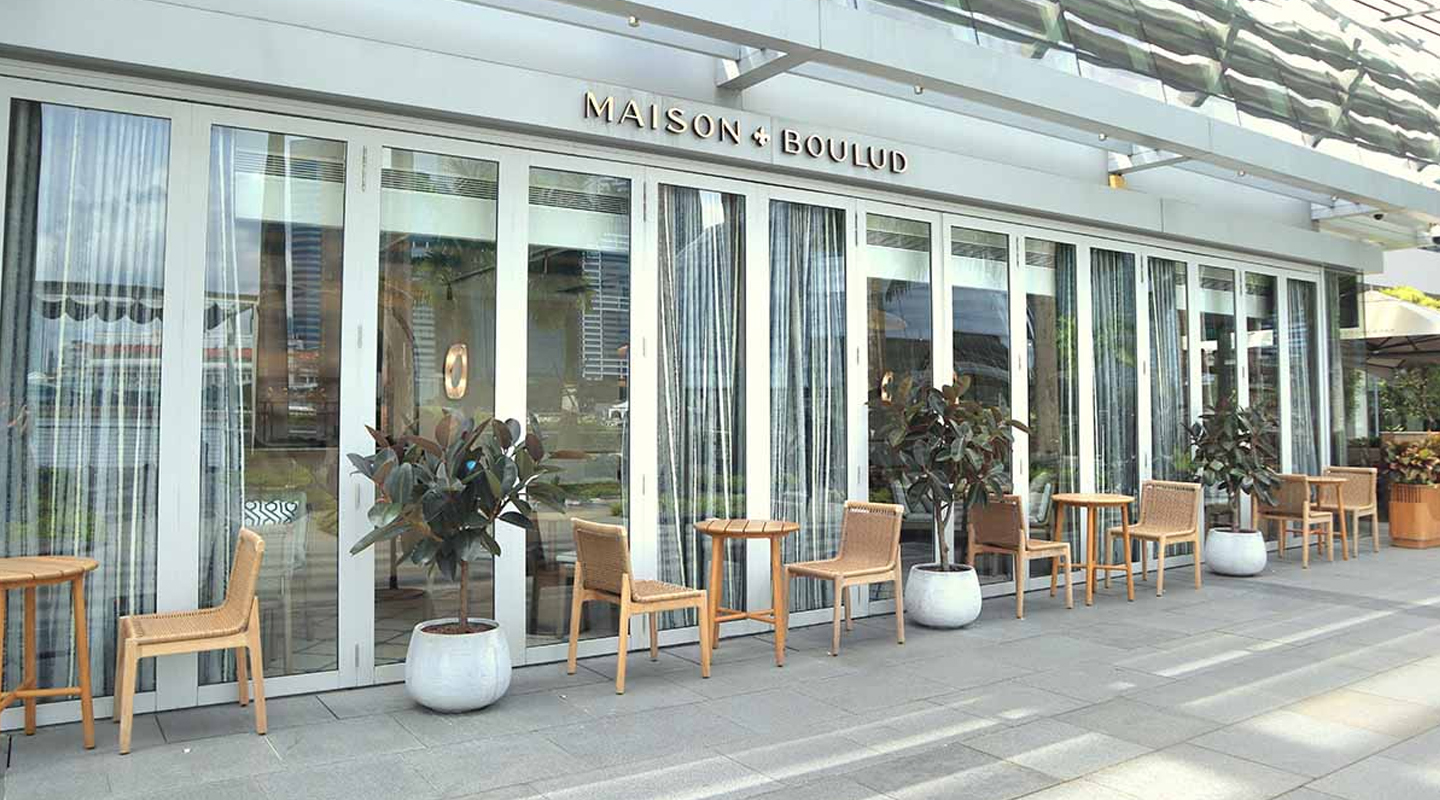
Flexible Seating for Changing Needs
Waterfront venues often host a variety of events, from casual dining to private functions. Flexible furniture arrangements allow spaces to be adapted quickly to different requirements.
Lightweight tables and movable seating make it easier to reconfigure layouts. Modular designs can also provide versatility, allowing sections to be combined or separated as needed.
Flexibility enhances the usability of the space and supports a wider range of dining experiences.
Lighting and Furniture Integration
Outdoor dining does not end when the sun sets. Evening service requires thoughtful integration of lighting and furniture to maintain ambiance and functionality.
Furniture can be paired with lighting elements to create a cohesive look. For example, table designs that accommodate subtle lighting features can enhance the atmosphere without being intrusive.
This integration ensures that the space remains inviting throughout the day and into the night.
Common Mistakes in Waterfront Furniture Selection
Designing for outdoor environments comes with its own set of challenges, and certain mistakes can impact both performance and appearance.
Common Pitfalls
- Choosing materials that are not weather-resistant
- Overcrowding the space and blocking views
- Ignoring maintenance requirements
- Prioritising design over comfort
- Using indoor furniture in outdoor settings
Avoiding these issues helps create a more durable and enjoyable dining environment.
Emerging Trends in Waterfront Dining Design
Waterfront dining continues to evolve, with new trends shaping how spaces are designed and furnished. There is a growing focus on blending natural elements with modern design, creating environments that feel both contemporary and connected to nature.
Sustainable materials and eco-friendly practices are also gaining attention, reflecting broader industry trends. At the same time, there is increasing interest in creating unique, experience-driven spaces that stand out in a competitive market.
These developments highlight the importance of thoughtful furniture selection in shaping the future of outdoor dining.
Frequently Asked Questions (FAQs)
1. What materials are best for waterfront restaurant furniture?
Teak, aluminium, and synthetic rattan are popular due to their durability and resistance to weather conditions.
2. How do I maintain outdoor furniture in Singapore’s climate?
Regular cleaning, protective coatings, and proper storage during extreme weather help extend lifespan.
3. Is comfort important for outdoor dining furniture?
Yes, comfortable seating encourages longer visits and enhances the overall dining experience.
4. Can outdoor furniture be customised?
Yes, customisation allows you to align furniture design with your brand and layout requirements.
Conclusion
Waterfront and marina dining venues in Singapore offer a unique opportunity to create memorable experiences through thoughtful design. Furniture plays a central role in bringing these spaces to life, balancing durability, comfort, and visual appeal.
By carefully selecting outdoor restaurant furniture Singapore and high-quality hospitality furniture, operators can create outdoor environments that stand up to the elements while delivering exceptional dining experiences.
With the right approach, furniture becomes more than a functional necessity—it becomes an integral part of the atmosphere that keeps guests coming back.