

Upholstery Fabric Guide for Commercial Restaurant Seating: Vinyl, Faux Leather & Fabric Options
Seating comfort is one of the most defining aspects of a dining experience, yet what lies beneath the surface—upholstery material—often determines how well that comfort holds up over time.
In high-traffic environments, upholstery is exposed to constant use, spills, cleaning chemicals and varying temperatures. The wrong material choice can lead to premature wear, hygiene issues and increased maintenance costs.
Selecting the right upholstery is not just about appearance. It directly affects durability, cleanliness, customer comfort and long-term operational efficiency.
For those exploring restaurant seatings solutions Singapore establishments rely on, understanding the strengths and limitations of each upholstery type is essential before making a decision.
Why Upholstery Choice Matters More Than You Think
Unlike residential furniture, restaurant seating must endure far more intensive use. Chairs and banquettes are occupied continuously throughout the day, often by different customers in quick succession.
This level of usage introduces several challenges:
Frequent spills and stains
Constant friction and wear
Regular cleaning with disinfectants
Exposure to humidity and temperature changes
A material that looks appealing at the start may not maintain its condition under these conditions. Upholstery must be chosen with performance in mind, not just aesthetics.
Working with an experienced restaurant furniture supplier Singapore businesses rely on can provide valuable guidance on materials that balance durability with visual appeal.
Vinyl Upholstery: The Industry Workhorse
Vinyl is one of the most widely used upholstery materials in commercial settings, and for good reason. It is designed to withstand demanding conditions while remaining easy to maintain.
Key Advantages of Vinyl
Highly resistant to spills and stains
Easy to clean with simple wiping
Durable under heavy use
Cost-effective compared to many alternatives
Vinyl’s non-porous surface prevents liquids from penetrating, making it ideal for environments where food and beverages are constantly served.
Considerations When Using Vinyl
While vinyl performs well in terms of durability, it may feel less breathable compared to fabric. In warmer climates, this can affect seating comfort if not paired with proper ventilation.
Advancements in material technology have improved vinyl textures, allowing it to mimic the look of leather while maintaining its practical benefits.
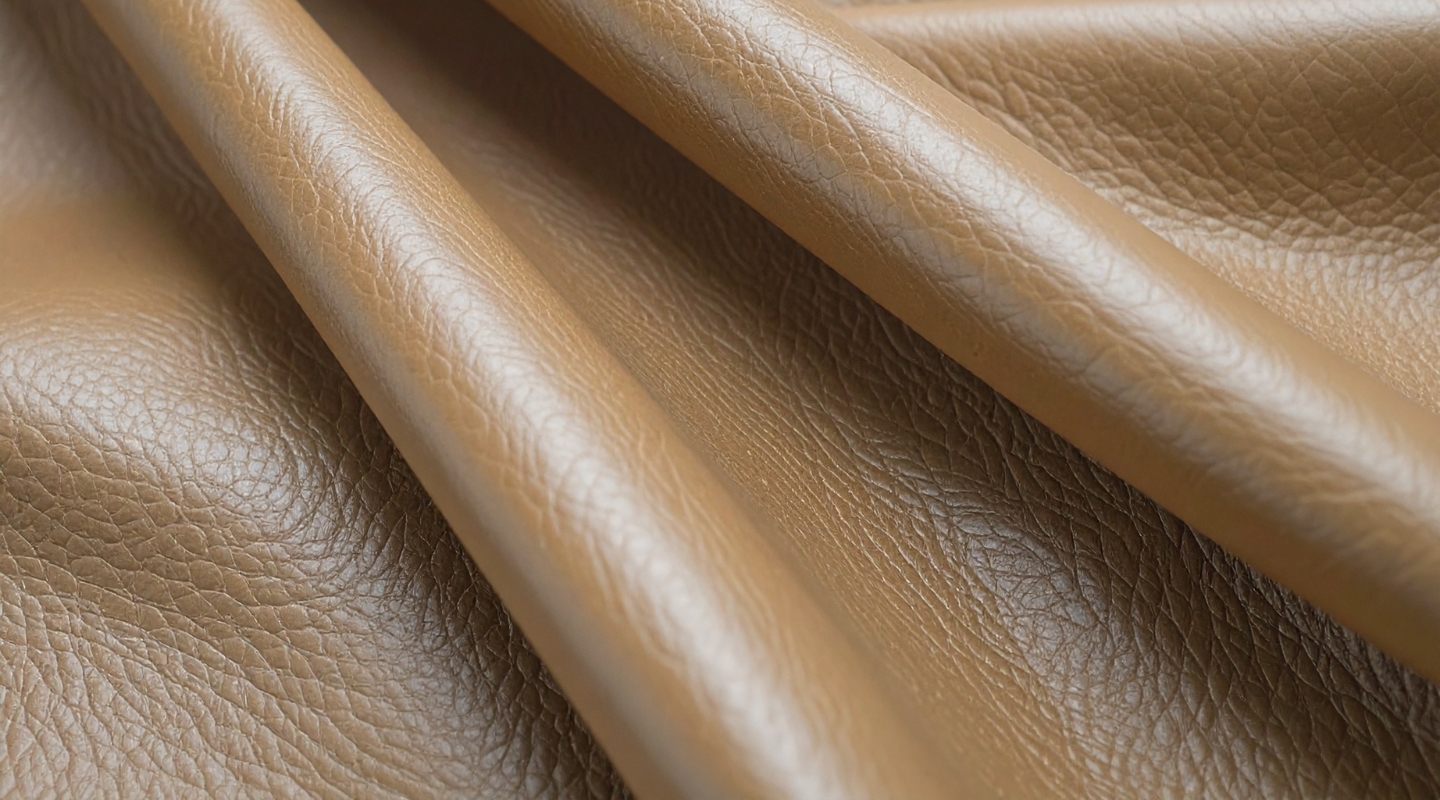
Faux Leather: A Balance Between Style and Function
Faux leather, also known as synthetic leather, offers a more refined appearance while retaining many of the practical benefits of vinyl.
It is often chosen for restaurants aiming to achieve a premium look without the cost and maintenance requirements of genuine leather.
Key Advantages of Faux Leather
Sophisticated, leather-like appearance
Easier maintenance compared to real leather
Good resistance to spills
Wide range of colours and finishes
Faux leather works particularly well in settings where visual presentation plays a key role in the overall concept.
Considerations When Using Faux Leather
Although durable, faux leather may be more susceptible to cracking over time if exposed to heavy wear or improper cleaning methods.
Regular maintenance and appropriate cleaning products can help extend its lifespan.
Providers such as Rasa Bloom often recommend specific faux leather grades that are better suited for commercial use, ensuring improved durability.

Fabric Upholstery: Comfort and Versatility
Fabric upholstery offers a different set of advantages, particularly in terms of comfort and design flexibility.
It is commonly used in cafés and casual dining concepts where a softer, more relaxed atmosphere is desired.
Key Advantages of Fabric
Breathable and comfortable for extended seating
Wide variety of textures, patterns and colours
Warmer and more inviting aesthetic
Suitable for creating unique design identities
Fabric allows for greater creativity in interior design, making it a popular choice for concepts that prioritise visual differentiation.
Considerations When Using Fabric
The main challenge with fabric is maintenance. Unlike vinyl or faux leather, fabric is more absorbent and can be prone to staining.
To address this, many commercial-grade fabrics are treated with stain-resistant coatings. However, regular cleaning and proper care are still necessary to maintain appearance.
For high-traffic environments, selecting commercial-grade fabric rather than residential-grade options is essential.
Comparing Vinyl, Faux Leather and Fabric
Each upholstery material offers distinct advantages depending on operational needs and design preferences.
Performance Comparison
Vinyl: Best for durability and easy maintenance
Faux Leather: Balances aesthetics with practicality
Fabric: Prioritises comfort and design flexibility
Maintenance Requirements
Vinyl: Minimal effort, simple wiping
Faux Leather: Moderate care with proper cleaning products
Fabric: Requires more attention and periodic deep cleaning
Suitability by Concept
Quick-service or high-turnover environments: Vinyl
Mid-range dining with visual focus: Faux leather
Cafés or relaxed settings: Fabric
Understanding these differences helps narrow down the most suitable option for specific operational needs.
Commercial-Grade Standards: What to Look For
Not all upholstery materials are created equal. Commercial-grade options are specifically designed to handle the demands of restaurant environments.
Key factors to consider include:
Abrasion resistance (measured by rub count)
Fire retardancy compliance
Stain and moisture resistance
Colourfastness to prevent fading
Choosing materials that meet these standards ensures longer lifespan and better performance.
This is particularly important when sourcing commercial grade restaurant furniture, where durability and safety are non-negotiable.
Hygiene and Cleaning Considerations
Cleanliness is a top priority in food service environments. Upholstery materials must support efficient cleaning processes without degrading over time.
Vinyl and faux leather are generally easier to sanitise due to their non-porous surfaces. Fabric, while comfortable, may require specialised cleaning methods.
Establishing a regular cleaning routine helps maintain hygiene standards and prolongs the life of the furniture.
Selecting the right material can significantly reduce maintenance effort and operational costs over time.
Customisation and Branding Opportunities
Upholstery is not just a functional element—it also contributes to brand identity.
Colour, texture and pattern choices can reinforce a restaurant’s concept and create a memorable visual impression.
Custom upholstery allows for:
Coordinated colour schemes
Unique seating designs
Enhanced brand recognition
Differentiation from competitors
Working with experienced providers like Rasa Bloom enables restaurants to explore customised upholstery solutions that align with both aesthetic goals and operational requirements.
Balancing Comfort, Durability and Cost
Choosing upholstery often involves trade-offs. While some materials excel in durability, others offer superior comfort or visual appeal.
A balanced approach considers:
Expected customer turnover
Type of cuisine and likelihood of spills
Desired ambience and design direction
Budget constraints and long-term value
Rather than focusing on a single factor, evaluating all aspects together leads to more informed decisions.
Conclusion
Upholstery plays a crucial role in shaping both the look and performance of restaurant seating. From the durability of vinyl to the refined appearance of faux leather and the comfort of fabric, each material offers unique advantages.
Understanding these differences allows restaurant owners to make choices that align with their operational needs and design vision.
By selecting commercial-grade materials and working with knowledgeable partners such as Rasa Bloom, restaurants can achieve seating solutions that are both visually appealing and built to last.
Frequently Asked Questions
1. Which upholstery material is easiest to maintain?
Vinyl is generally the easiest to maintain due to its non-porous surface and resistance to spills.
2. Is fabric upholstery suitable for high-traffic restaurants?
It can be used if it is commercial-grade and treated for stain resistance, but it requires more maintenance compared to other materials.
3. How long does faux leather last in restaurant settings?
With proper care, faux leather can last several years, depending on usage and cleaning practices.
4. What is the difference between residential and commercial upholstery?
Commercial upholstery is designed for higher durability, better resistance to wear and compliance with safety standards.