

Sintered Stone vs Marble Restaurant Table Tops: Which Is Best for Singapore F&B?
Selecting table tops is one of the most important decisions when purchasing commercial dining furniture Singapore businesses depend on. Tables are the most heavily used furniture in any restaurant, café, or food court. They endure constant wiping, spills, heat exposure, and physical impact throughout the day.
For F&B owners evaluating materials, two premium choices often stand out: sintered stone and marble. Both offer elegance and durability, but they perform very differently in commercial environments. Understanding these differences helps you select commercial grade restaurant furniture that balances aesthetics, practicality, and long-term cost efficiency.
Why Table Top Material Matters in F&B Operations
Restaurant tables are subjected to harsher conditions than residential furniture. In Singapore’s fast-paced dining industry, tables must handle:
Continuous cleaning with disinfectants
Hot dishes and beverages
High customer turnover
Spills and stains
Physical impacts from utensils or trays
The wrong material can lead to stains, cracks, or costly replacements. Choosing the right surface ensures durability, hygiene compliance, and a polished appearance that supports your brand image.
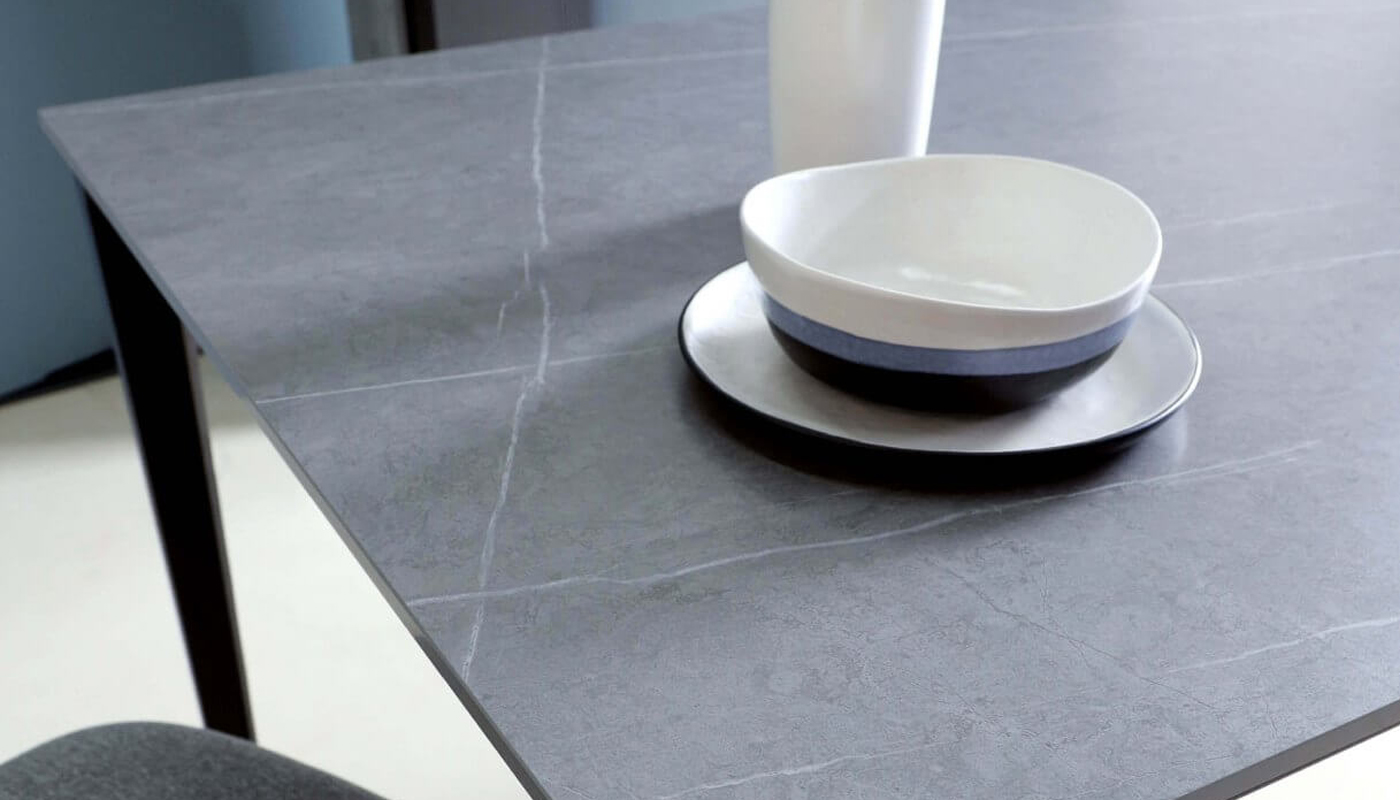
What Is Sintered Stone?
Sintered stone is a man-made surface created using extreme heat and pressure to fuse natural minerals into a dense, non-porous material. The manufacturing process replicates natural stone formation but accelerates it using advanced technology.
Key Characteristics
Extremely dense structure
Non-porous surface
High scratch resistance
Heat and stain resistant
UV stable
Because of these properties, sintered stone has become increasingly popular for commercial dining environments.
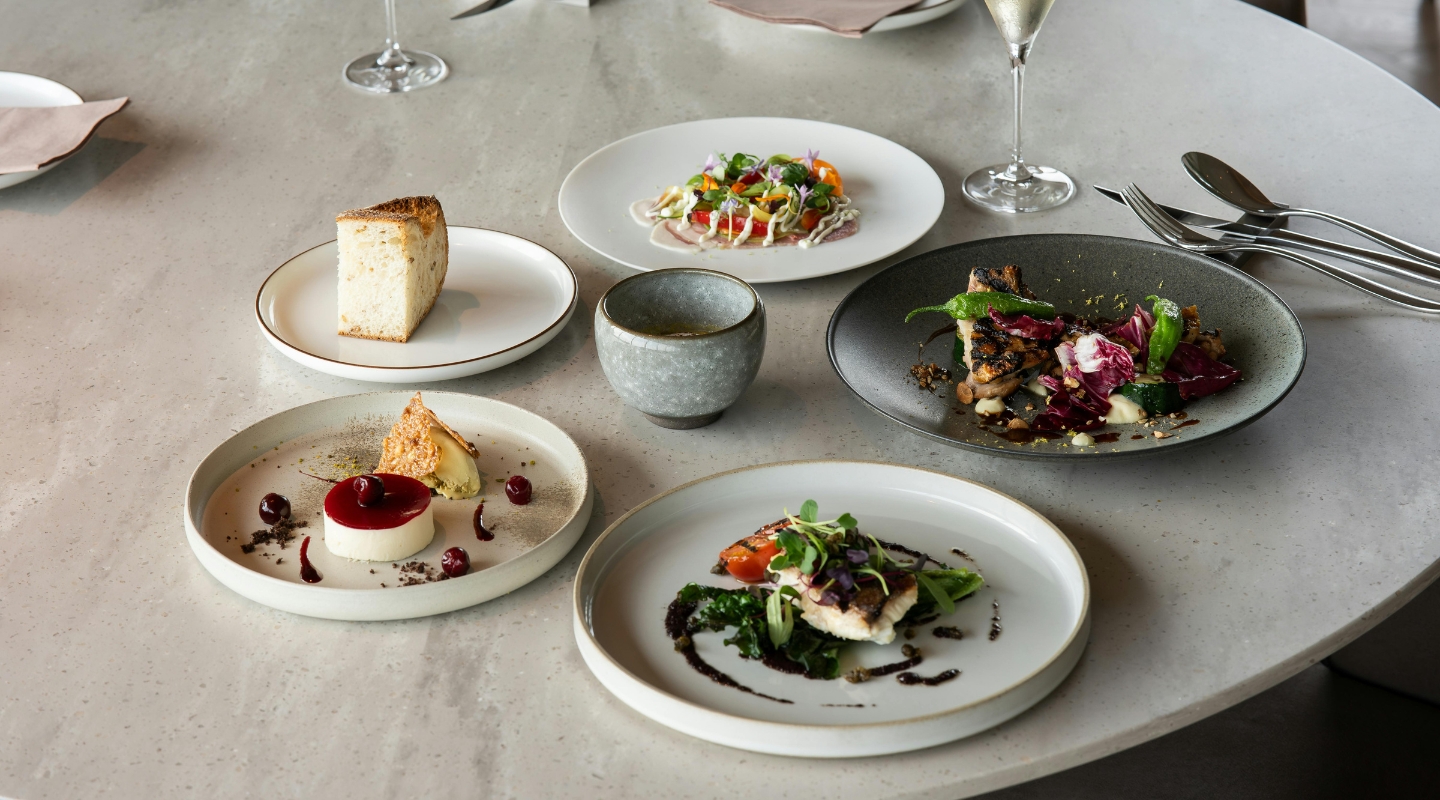
What Is Marble?
Marble is a natural stone formed from limestone under intense geological pressure. It has been used for centuries in architecture and furniture due to its timeless elegance and distinctive veining.
Key Characteristics
Natural mineral composition
Unique patterns
Cool surface temperature
Luxurious appearance
Softer structure than engineered stone
Marble is widely associated with premium interiors and classic dining environments.
Durability Comparison: Which Material Lasts Longer?
Durability is the most critical factor when choosing table tops for commercial spaces.
Sintered Stone Durability
Highly resistant to scratches and chips
Withstands heavy impact
Maintains surface finish over time
Marble Durability
Softer surface prone to scratches
Can chip along edges
Requires sealing and regular maintenance
For high-traffic venues such as food courts or busy restaurants, sintered stone generally offers superior long-term durability.
Stain and Hygiene Resistance
Cleanliness is a top priority in Singapore’s F&B sector. Table tops must resist stains and support frequent sanitisation.
Sintered Stone
Non-porous surface prevents liquid absorption
Resistant to coffee, wine, and oil stains
Easy to disinfect
Marble
Naturally porous unless sealed
Can absorb liquids and develop stains
Requires periodic resealing
Because sintered stone does not absorb moisture, it’s often preferred for venues that prioritise hygiene efficiency.
Heat Resistance and Safety
Hot dishes, teapots, and cookware frequently contact restaurant tables. Heat resistance is therefore essential.
Sintered stone withstands very high temperatures without discoloration or cracking.
Marble tolerates moderate heat but may develop marks from extreme temperature changes.
Restaurants serving hot pots, sizzling plates, or freshly brewed beverages usually benefit from sintered stone surfaces.
Aesthetic Differences and Design Flexibility
Appearance plays a major role in customer perception.
Sintered Stone Aesthetic
Modern manufacturing allows sintered stone to replicate marble, concrete, or metal textures. This versatility makes it suitable for contemporary interiors.
Marble Aesthetic
Marble offers natural beauty that cannot be perfectly replicated. Each slab has unique veining patterns, giving spaces a luxurious, one-of-a-kind look.
Design choice often depends on branding. Upscale restaurants may prefer marble for its prestige, while modern cafés and food courts lean toward sintered stone for practicality.
Suppliers such as Rasa Bloom frequently help clients compare finishes to match interior concepts before finalizing selections.
Maintenance Requirements
Maintenance costs directly affect long-term profitability.
Sintered Stone Maintenance
Requires minimal upkeep
No sealing needed
Easy cleaning with mild detergent
Marble Maintenance
Needs periodic sealing
Sensitive to acidic cleaners
Requires careful handling
For busy establishments, lower maintenance requirements translate into significant operational savings.
Cost Comparison: Short-Term vs Long-Term Value
Price is often a deciding factor when purchasing furniture, but evaluating lifecycle cost is more important than comparing upfront price alone.
Upfront Cost
Marble may sometimes be less expensive initially depending on grade and sourcing. Sintered stone can be slightly higher in price due to advanced manufacturing.
Long-Term Value
Sintered stone typically lasts longer and requires less maintenance, making it more cost-effective over time.
Businesses focused on durability and operational efficiency usually prioritize long-term value rather than initial savings.
Which Material Is Best for Different F&B Concepts?
Choosing between sintered stone and marble depends on your venue type and operational needs.
Best Uses for Sintered Stone
High-traffic restaurants
Food courts
Casual dining chains
Cafés with frequent turnover
Best Uses for Marble
Fine dining restaurants
Boutique cafés
Hotel lounges
Premium concept venues
Selecting the right material ensures your tables align with both brand image and operational requirements.
Environmental and Sustainability Considerations
Sustainability is becoming a growing priority in hospitality design.
Sintered stone is often manufactured using recycled minerals and controlled processes.
Marble is a natural resource that requires quarrying and transportation.
While both materials can be environmentally responsible depending on sourcing, engineered surfaces often provide more predictable sustainability standards.
Common Mistakes Buyers Should Avoid
When selecting table tops, avoid these frequent mistakes:
Choosing Based Only on Appearance
A beautiful surface that stains easily can create long-term problems.
Ignoring Maintenance Requirements
Some materials demand specialized care that increases labour time.
Underestimating Usage Level
High-traffic venues need tougher materials than low-volume establishments.
Not Consulting Experts
Professional suppliers can recommend materials tailored to your concept, saving time and money.
How to Decide: Practical Selection Checklist
Use this checklist before making your final choice:
Expected customer traffic volume
Type of food and beverages served
Cleaning frequency
Interior design concept
Budget range
Maintenance resources
Evaluating these factors ensures you select a material that performs well under real-world conditions.
Final Verdict: Sintered Stone vs Marble
Both materials have strengths, but their suitability depends on your operational priorities.
Choose sintered stone if durability, hygiene, and low maintenance are your top concerns.
Choose marble if aesthetics, prestige, and natural beauty matter most.
In many cases, businesses combine both materials—using marble for feature tables and sintered stone for general dining areas. This approach balances elegance with practicality.
Final Thoughts
Table tops may seem like a small detail, but they play a major role in the performance and perception of your dining space. The right material enhances customer experience, simplifies maintenance, and protects your investment over time.
For Singapore F&B operators, selecting between sintered stone and marble comes down to understanding usage demands, design goals, and lifecycle costs. Partnering with experienced suppliers ensures you receive expert guidance, durable materials, and furniture that supports long-term business success.
Frequently Asked Questions
1. Is sintered stone better than marble for restaurants?
For high-traffic environments, yes. It’s more durable, stain-resistant, and easier to maintain.
2. Does marble require sealing?
Yes. Marble is porous and needs periodic sealing to prevent stains.
3. Which material is more hygienic?
Sintered stone is generally more hygienic because its non-porous surface doesn’t absorb liquids or bacteria.
4. Can I combine both materials in one restaurant?
Absolutely. Many venues use marble for feature tables and sintered stone for standard seating areas.