

Restaurant Furniture Ergonomics: Customer Comfort Standards
Creating a comfortable dining environment is one of the most important investments a restaurant can make. Customer comfort is directly linked to dining duration, spending behaviour, repeat visits, and reviews. In Singapore’s competitive F&B market, ergonomically designed furniture is no longer optional—it is a requirement for any establishment aiming to deliver a positive dining experience.
This comprehensive guide examines the key ergonomic principles behind restaurant seating solutions in Singapore, evaluates how design impacts comfort, and explains how F&B operators can select the right chairs, stools, benches, and tables for their space. With thoughtful planning and support from experienced suppliers like Rasa Bloom, restaurants can achieve both aesthetic appeal and long-term seating comfort.
Understanding Ergonomics in Restaurant Furniture
Ergonomics is the science of designing furniture that supports the human body’s natural posture and movement. In the context of restaurants, ergonomic furniture enhances comfort across short, moderate, and long dining durations without sacrificing efficiency or space utilisation.
Poorly designed furniture can result in:
Back pain and posture fatigue
Shortened dining duration
Customer dissatisfaction
High replacement rates due to structural weaknesses
In contrast, choosing durable café chairs in Singapore that follow ergonomic principles ensures a more enjoyable and productive dining experience for guests.
Why Ergonomics Matters for Singapore F&B Businesses
Singapore diners are increasingly discerning about comfort when choosing where to eat. With cafés, hawker centres, and restaurants competing for attention, ergonomic furniture helps build customer loyalty.
Business benefits of ergonomic restaurant seating include:
Increased dining duration for cafes and casual restaurants
Higher customer spending due to enhanced comfort
Improved dining flow and satisfaction ratings
Better alignment with universal design and accessibility expectations
Reduced long-term maintenance and fewer customer complaints
Restaurants with well-designed furniture also attract positive online reviews, contributing to organic SEO visibility and brand authority.

Key Ergonomic Principles for Restaurant Seating
Designing ergonomic restaurant seating involves understanding several physical and functional factors. Below are the industry standards and best practices.
Seat Height Standards
The ideal seat height impacts leg comfort, posture, and dining flow.
Recommended seat height ranges:
Standard dining chairs: 430–480 mm
Counter stools for bar tables: 650–750 mm
High stools for bar counters: 730–820 mm
The seat height should correspond to table height, maintaining a comfortable 250–300 mm gap between seat and tabletop.
This measurement ensures that diners can rest their arms comfortably without hunching or lifting their shoulders awkwardly.
Seat Depth and Width Requirements
Seat depth determines how supported a diner feels. Overly deep seats force users to lean back uncomfortably, while shallow seats create forward-lean discomfort.
Ideal seat depth: 400–450 mm
Seat width also influences comfort and seating capacity.
Recommended seat width:
Single dining chairs: 450–500 mm
Benches per pax: 500–550 mm
Restaurants should balance comfort with space planning efficiency, especially in compact Singapore dining areas.
Lumbar and Backrest Support
Backrests are an essential element of ergonomic chair design.
Effective backrests should provide:
Support for the lower back curve
A natural recline angle between 95°–105°
Adequate shoulder blade clearance
Flexibility for different body types
Cafés with moderate dining times (30–60 minutes) should prioritise supportive backrests, while fast-food outlets may opt for simplified but still ergonomic seating structures.
Material Selection for Comfort and Durability
Ergonomics extends beyond shape and dimensions—materials also play a major role.
Common material options for durable café chairs in Singapore include:
Polypropylene (PP) – flexible, lightweight, and comfortable for short to mid-length dining
Solid wood – premium feel, natural ergonomic flexibility, and long lifespan
Metal frames with padded seats – strong and comfortable for extended dining
Upholstered seating – enhanced comfort for fine dining and lounges
However, restaurants must balance comfort with durability and maintenance requirements. Upholstery, while highly comfortable, may require more upkeep compared to PP or wood.
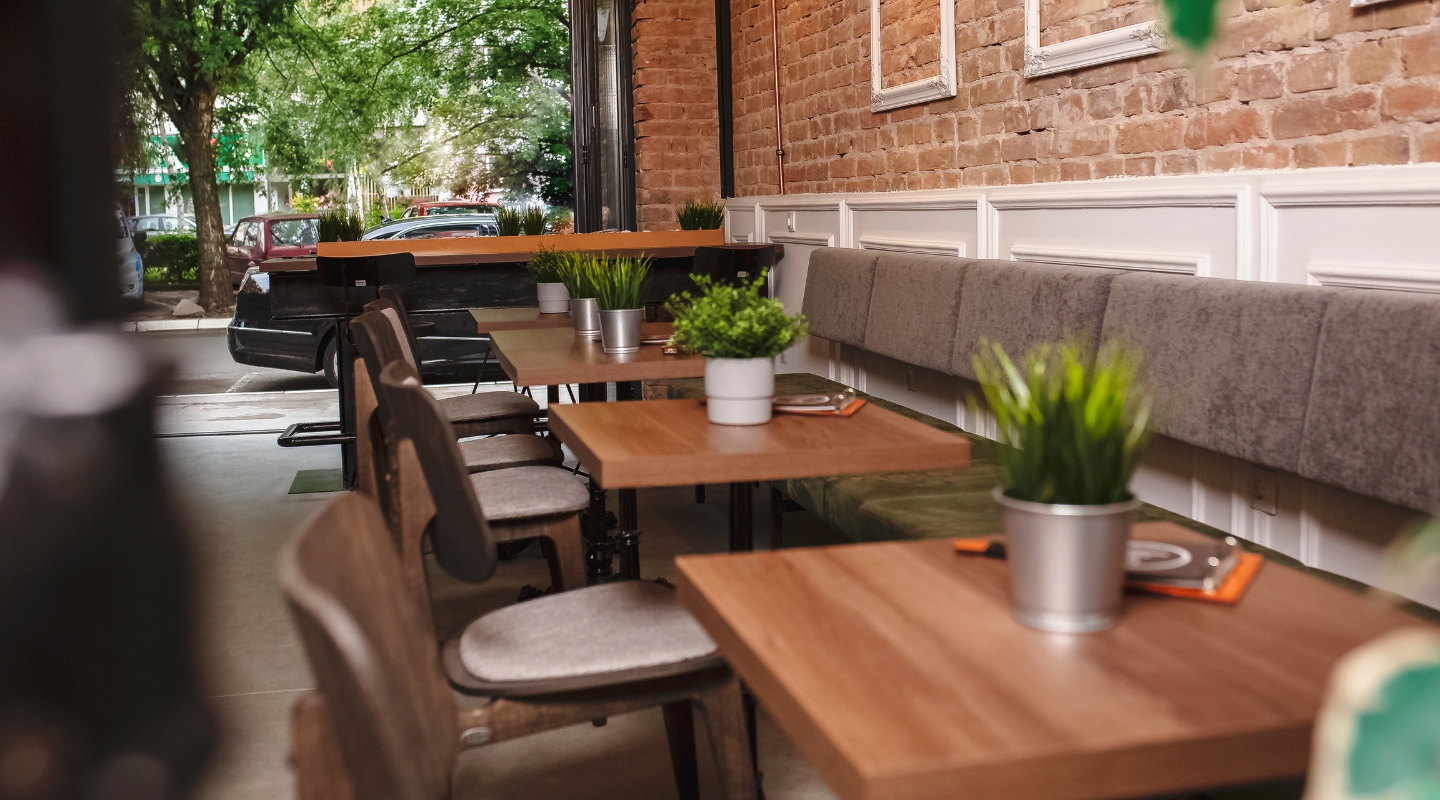
Ergonomics for Different Restaurant Types
Different F&B formats require different seating strategies. Ergonomics must be adapted to dining duration, brand identity, and customer flow.
Cafés and Brunch Spots
These outlets typically attract customers who stay 45–120 minutes, often working or socialising. Chairs should offer:
Strong lumbar support
Cushioned seats
Spacious seating width
Relaxed backrest angles
Upholstered or wooden chairs with ergonomic curves are ideal.
Fast Casual and Quick Service Restaurants
These environments prioritise turnover speed, but should still ensure comfort. Seating often includes:
PP chairs with slight flexibility
Metal-framed chairs with mid-back support
Shorter seat depth to promote upright posture
Ergonomics supports comfort without encouraging excessively long stays.
Fine Dining Restaurants
Comfort is essential to the overall luxury experience. Furniture should include:
Upholstered chairs with full back support
Elegant armrests
Premium contouring for long dining durations
Slower, more relaxed seating angles
These features enhance the dining atmosphere and encourage premium spending.
Hawker Centres and Kopitiam Settings
In high-traffic environments, ergonomics focuses on durability and basic comfort:
PP moulded seats with curved surfaces
Fixed seating that supports posture
Tables with optimal reach radius
Singapore’s hawker centre upgrades increasingly emphasise ergonomic seating to enhance the customer experience.
Table Ergonomics: Matching Heights and Clearances
Ergonomic seating must match table ergonomics to deliver full comfort.
Standard table height: 710–760 mm
Clearance under table: 600–650 mm
This ensures:
No knee collisions
Comfortable arm positioning
Natural dining posture
Restaurants should avoid mismatched furniture heights—a common mistake when purchasing off-the-shelf pieces without proper measurement.
Additional Comfort Factors Restaurants Should Consider
Ergonomics goes beyond chairs and tables. It also includes spatial comfort, accessibility, and customer behaviour.
Key factors:
Spacing between tables (700–1000 mm)
Noise control through soft furnishings
Temperature comfort—avoid seating near heat sources
Stability—chairs should not wobble or tilt
Movement flow—chairs should be easy to pull and push
These elements work together to deliver a seamless customer experience.
Choosing Ergonomic Furniture: How Rasa Bloom Helps
Selecting the right restaurant seating solutions in Singapore can feel overwhelming. This is where a knowledgeable partner makes the difference.
Rasa Bloom provides:
Expert recommendations based on dining duration and concept
Durable café chairs designed with ergonomic curves
Customised seating options tailored to brand identity
Commercial-grade materials tested for long-term performance
Space planning guidance to balance comfort and capacity
With experience across Singapore’s F&B landscape—from cafés to fine dining—Rasa Bloom ensures furniture choices enhance both comfort and operational flow.
Frequently Asked Questions
1. What is the most important ergonomic factor in restaurant chairs?
Seat height and backrest support are the most critical, as they determine natural posture and dining comfort.
2. Are upholstered chairs necessary for comfort?
Not always. PP and wooden chairs with proper shaping can be equally comfortable, depending on dining duration.
3. What is the best seat depth for Singapore restaurants?
Most ergonomic guidelines recommend 400–450 mm to support various body types comfortably.
4. How can I ensure my furniture is ergonomic before purchasing?
Work with a reliable supplier like Rasa Bloom and review measurements, materials, and sample pieces before finalising your order.