

Outdoor Heater & Furniture Integration Guide for Singapore Restaurants
Outdoor dining is increasingly popular in Singapore, especially in restaurants, rooftop bars, and waterfront cafes. However, while Singapore is warm throughout the year, rainy weather, evening breezes, and monsoon seasons can cause discomfort for outdoor diners. Outdoor heaters—when properly integrated with hospitality furniture—enhance comfort, extend operating hours, and create a cozy ambience.
This guide explains how to safely and effectively integrate outdoor heaters with outdoor restaurant furniture Singapore without compromising safety or aesthetics.
1. Why Outdoor Heater Integration Matters
Restaurants use outdoor heaters to:
Increase comfort in windy or cooler nights
Extend seating usability during monsoon season
Create a warm, inviting atmosphere
Improve guest satisfaction for alfresco dining zones
But heaters must be placed strategically to avoid damaging furniture or creating safety risks.
2. Types of Outdoor Heaters Suitable for Restaurants
A. Electric Infrared Heaters
Most commonly used in Singapore due to safety and efficiency.
Benefits:
Safer for enclosed patios
No open flames
Direct heat without heating the air
Works well with compact hospitality furniture layouts
B. Wall-Mounted or Ceiling-Mounted Heaters
Ideal for narrow walkways or small patios.
Benefits:
No floor clutter
Safe distance from furniture
Better heat distribution
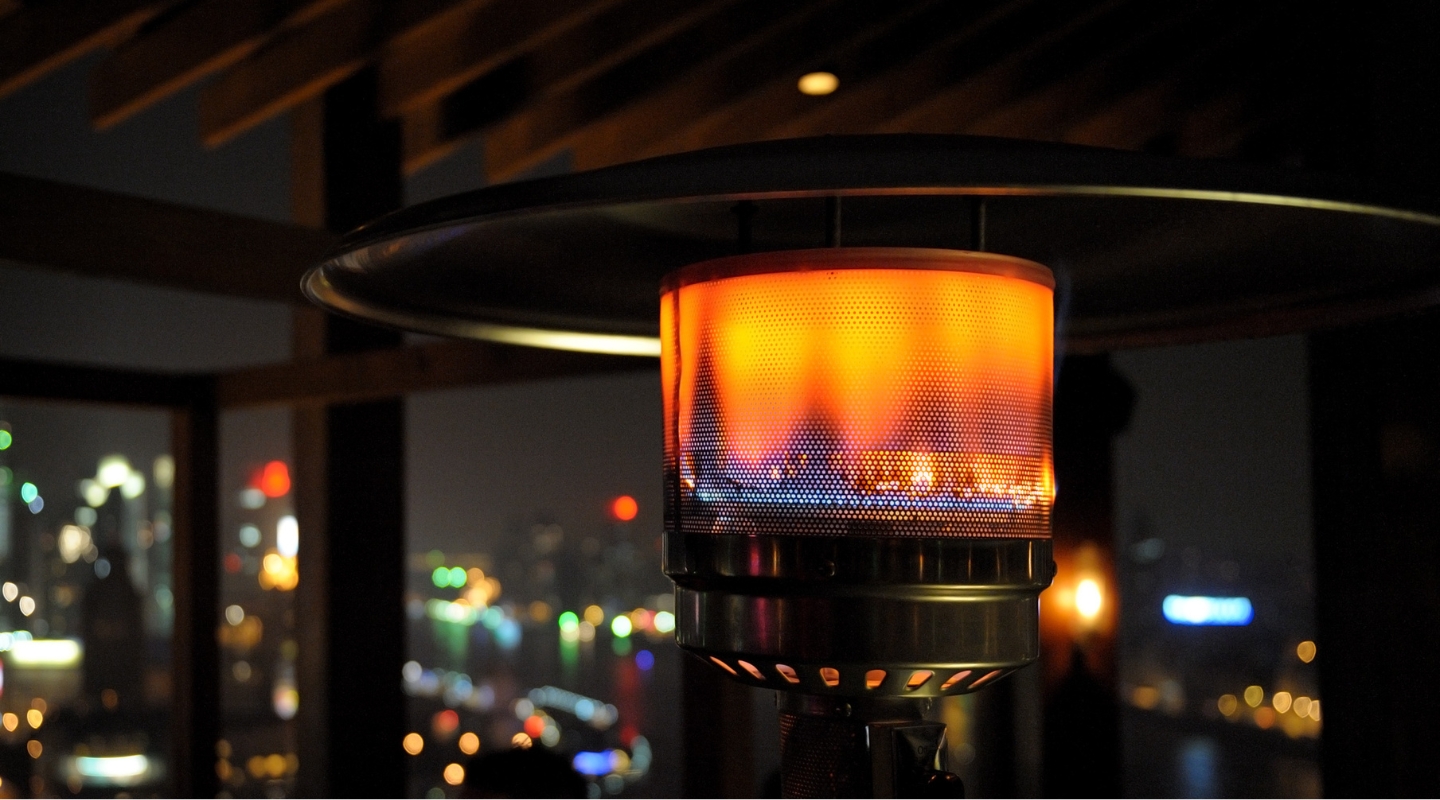
C. Portable Standing Heaters
Frequently seen in larger outdoor dining zones.
Benefits:
Flexible placement
Easy to move based on layout changes
3. Heat-Resistant Furniture Materials to Use
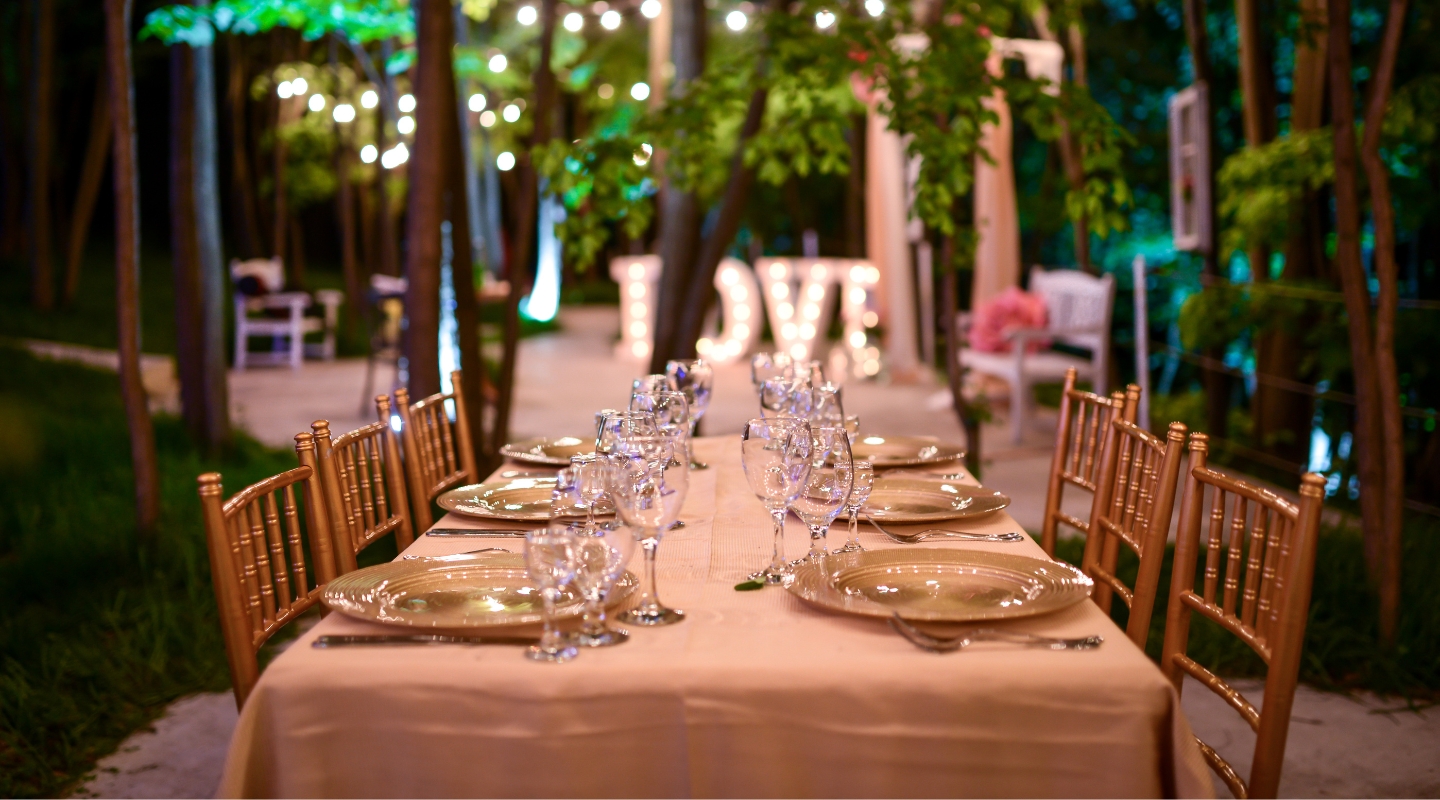
Outdoor restaurant furniture must withstand exposure to both heat and humidity. When integrating heaters, prioritise materials that handle warmth without warping.
Best materials include:
Powder-coated aluminium (heat-stable, rust-resistant)
Stainless steel (high durability, sleek finish)
Teak or treated hardwood (natural resistance to heat)
Synthetic rattan (UV- and heat-resistant)
High-pressure laminate (HPL) tables
Avoid low-quality plastic, which can warp when placed too close to heaters.
4. Safe Distance Guidelines Between Heaters and Furniture
To prevent overheating, fading, or fire hazards:
Maintain at least 1 metre between heaters and seating
Keep 1.5 to 2 metres clearance above tables for ceiling/wall heaters
Ensure airflow behind heaters (no furniture pressed against heater backs)
Avoid placing tablecloths directly beneath heaters
These guidelines also help maintain a comfortable temperature for diners.
5. Layout Planning for Optimal Heat Distribution
Proper layout ensures every guest feels comfortable without overheating.
Recommendations:
Place heaters near the perimeter, not in the centre of dining zones
Space heaters evenly to avoid hot and cold spots
Use windbreaks (glass partitions, planters) to improve efficiency
Keep walkways clear of heater stands and cabling
Outdoor heaters should complement, not interfere with, hospitality furniture arrangements.
6. Enhancing Ambience with Coordinated Furniture & Heaters
Heaters are functional, but they can also enhance aesthetics.
Tips:
Choose heaters in neutral colours (black, bronze, silver)
Pair heaters with modern outdoor chairs for a sleek look
Use warm lighting to match the cozy feel of heated spaces
Pick furniture cushions in heat-resistant, fade-resistant fabrics
Coordinating design elements ensures a seamless outdoor dining experience.
7. Safety Considerations for Restaurants in Singapore
Safety is crucial when combining heaters with furniture.
Use heaters certified for commercial use
Perform monthly inspections for wiring, switches, and mounting brackets
Train staff on safe operation and emergency shutoff procedures
Keep fire extinguishers accessible in the alfresco area
Use weather-resistant heaters, especially during monsoon season
Hospitality furniture Singapore designed for outdoor use must also meet safety and durability standards.
Conclusion
Integrating outdoor heaters with the right furniture can significantly elevate your restaurant’s alfresco dining experience. With proper planning—choosing heat-resistant materials, ensuring safe distances, and coordinating designs—you can create a warm, inviting, and safe environment for guests all year round.