

Nightclub Furniture: Durability for High-Traffic Venues
Nightclubs are among the most demanding environments for furniture: heavy foot traffic, constant movement, spills, vigorous cleaning, and evolving event layouts all put extreme stress on every seat, table and bar counter. Choosing the right bar furniture Singapore — built to commercial standards — protects your brand, reduces downtime, and lowers total cost of ownership.
This guide covers what makes furniture truly “commercial grade,” which materials and constructions perform best in nightlife settings, layout and zoning tips to reduce wear, and practical maintenance routines that keep your venue looking great night after night. Wherever you are in Singapore’s nightlife scene — rooftop lounges, basement clubs, or late-night bars — this article will help you specify, buy and maintain nightclub furniture that lasts.
Why durability matters in nightclubs
Nightclub furniture faces unique stresses that standard hospitality furniture often can’t handle:
high turnover of patrons leaning, standing and moving chairs
frequent liquid spills (drinks, champagne, cocktails)
cleaning with strong detergents and sanitizers
occasional rough handling and re-arrangement for events
humidity and heat produced by crowds and lighting rigs
Durable, commercial-grade furniture reduces safety risks (wobbly chairs, broken joints), cuts replacement frequency, and preserves your venue’s image. Investing up front in quality pays off with fewer repairs, fewer complaints, and more consistent guest experiences.
What defines commercial grade restaurant furniture
“Commercial grade” isn’t just a marketing term — it refers to furniture engineered and tested for heavy, daily use. Key attributes include:
Robust frames and fittings: welded steel or thick-gauge aluminum frames, reinforced joints and industrial fasteners.
High-load tolerance: seating and tables rated for greater weight and dynamic forces.
Durable finishes: powder-coating, anodizing, marine-grade stainless steel, or commercial laminates that resist scratches and corrosion.
Serviceability: replaceable parts (legs, glides, upholstery panels) for quick repairs.
Safety & compliance: fire-retardant upholstery, non-slip feet and stable geometry to prevent tipping.
Suppliers like Rasa Bloom specialise in commercial-grade solutions that balance durability with design — an important distinction when your brand depends on both look and performance.
Best material choices for nightclub furniture
Selecting the right materials is the first step. Here are the materials that consistently perform well in high-traffic nightlife venues:
Metal (Steel & Aluminium)
Why: Extremely strong, can be formed into sleek modern shapes, and accepts protective finishes.
Best uses: Table bases, bar frames, stool legs, outdoor roof-top elements.
Notes: Use powder-coated steel for indoor durability; specify marine-grade stainless (316) for coastal rooftops.
High-Density Polypropylene (HDPP) & Reinforced Plastics
Why: Impact-resistant, lightweight, easy to clean, and available in injection-moulded forms ideal for curved seating.
Best uses: Stackable chairs, lounge shells, outdoor chairs.
Notes: Choose UV-stabilised variants for exposed areas.
Solid Wood / Hardwood Veneers
Why: Warmth and premium feel — excellent for VIP areas and lounges.
Best uses: Table tops, banquettes, bartender counters.
Notes: Use sealed, commercial-grade veneers and protective lacquers to resist spills and humidity.
Engineered Stone & High-Pressure Laminate (HPL)
Why: Scratch-resistant, heat-tolerant and low maintenance.
Best uses: Table tops, bar counters.
Notes: HPL is lighter and cost-efficient; engineered stone reads premium but is heavier.
Performance Upholstery (Vinyl, PU, Olefin)
Why: Water- and stain-resistant, easy to wipe down and disinfect.
Best uses: Bar stools, banquette cushions, lounge seating.
Notes: Avoid delicate fabrics in general seating; reserve for VIP zones with protected covers.
Design choices that extend furniture life
Beyond materials, smart design choices help furniture survive the rough nightclub life:
Rounded edges and chamfered corners prevent chips and accidents.
Minimal thin components: avoid delicate legs or spindles that snag or bend.
Replaceable upholstery panels and cushions — enables fast swaps after heavy wear.
Integrated glides & floor protectors — stop leg tips from catching and protect flooring.
Modular seating — allows sections to be removed or reconfigured without discarding entire units.
Working with a reputable supplier (for example, Rasa Bloom) ensures you get practical design features that reduce long-term maintenance.
Layout and zoning to reduce wear
How you place furniture affects how fast it wears. Consider these zoning and layout strategies:
Dedicated zones: separate the dance floor, standing bar, lounge booths and service paths to control crowd movement.
Weighted anchor pieces: heavier, fixed furniture in high-impact areas prevents movement and reduces damage.
Buffer zones: leave a service aisle (min. 900–1,200 mm) behind bar seating so staff can circulate without pushing chairs.
Protect high-use edges: install railings or foot rails where leaning occurs to preserve seat back integrity.
Flexible storage plan: have stackable chairs and quick-stow tables for reconfigurable event spaces.
A thoughtful layout reduces collisions, fewer furniture rearrangements, and therefore longer life.
Cleaning and maintenance routine (practical checklist)
A nightclub needs a routine that balances hygiene with furniture protection.
Daily
Wipe spills immediately with pH-neutral cleaner.
Vacuum and sweep under seating; mop aisles.
Inspect high-traffic seats for loose screws.
Weekly
Deep-clean vinyl or PU upholstery with manufacturer-recommended cleaners.
Tighten bolts on chairs and tables; lubricate moving parts.
Check glides and replace worn feet.
Monthly
Inspect welds and frame integrity.
Rotate freestanding seating to even out wear.
Clean stone and laminate tops with non-abrasive agents.
Quarterly / Bi-annual
Refinish wooden surfaces as needed.
Re-coat powder-coated surfaces if chips appear.
Professional upholstery deep-clean or replacement of high-wear cushions.
Document your maintenance and keep spare parts on site — it saves costly emergency replacements.
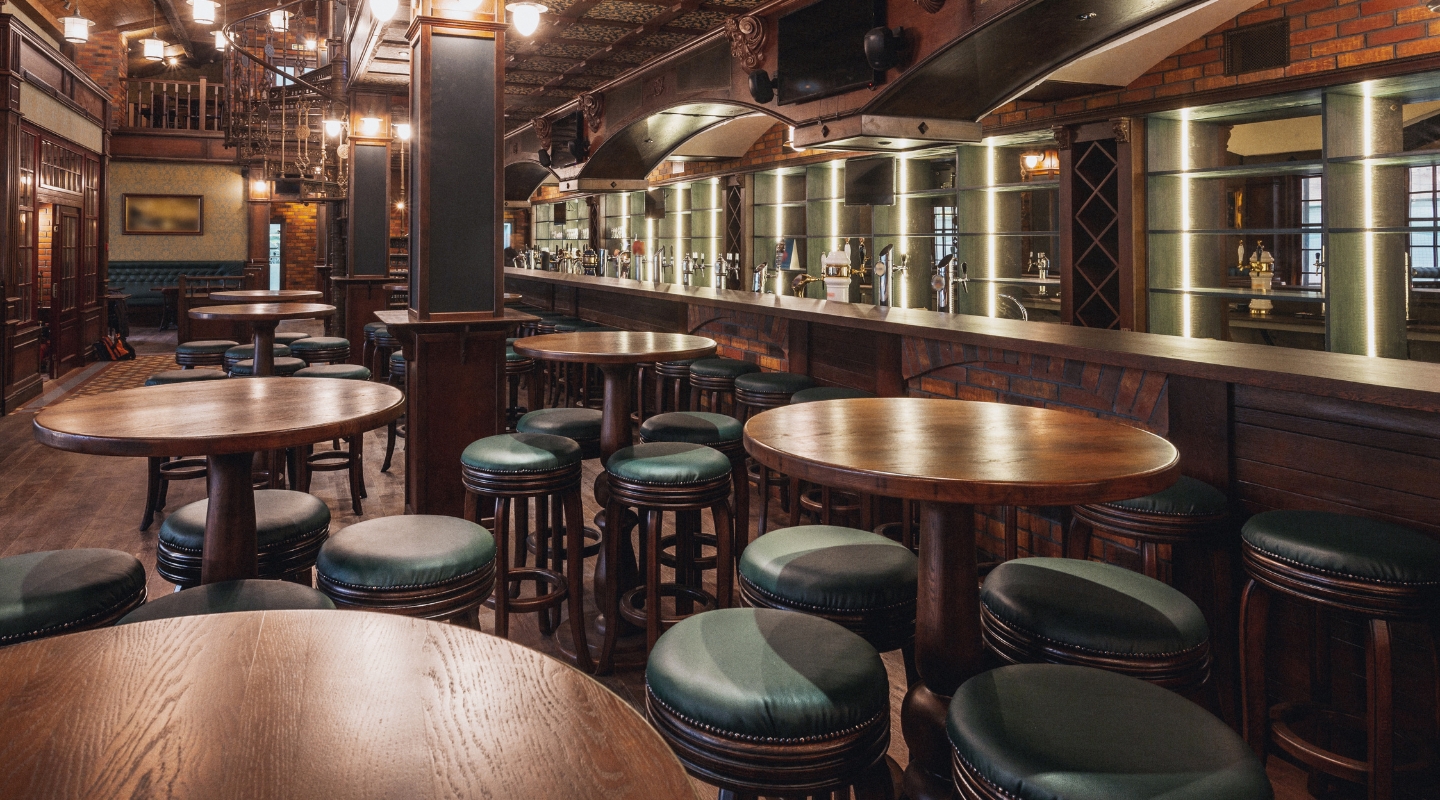
Safety, ergonomics and guest comfort
Durability must go hand-in-hand with comfort and safety:
Stable seating geometry avoids tipping (wider legs, lower centre of gravity).
Well-positioned footrests (20–25 cm above floor on stools) for comfortable posture.
Correct seat heights: bar stools vs lounge chairs must match counter and table heights.
Fire-retardant foams and fabrics for compliance with local regulations and insurance.
Comfortable guests stay longer and spend more — so buy for durability and ergonomics.
Case study: nightclub upgrade that cut replacements by 60%
A busy basement club in central Singapore replaced low-cost stools with powder-coated steel frames, PU-upholstered seats, and reinforced table bases from a commercial supplier. After a year:
furniture-related incidents dropped by 70%
replacement costs fell 60%
staff reported improved service flow due to stable seating
customer feedback noted improved comfort and aesthetics
The upfront investment paid for itself within 18 months through lower repair/replacement costs and improved turnover.
Procurement tips for operators
Buy to use-case: don’t over-specify luxury timber in high-spill zones.
Request load and cycle testing data from suppliers.
Confirm warranty coverage for commercial use (fatigue, welds, coatings).
Standardise parts: choose designs that share glides, screws and cushions to simplify spares.
Inspect samples on-site under lighting and with staff testing for comfort.
Rasa Bloom’s commercial catalog focuses on tested, serviceable designs suitable for Singapore venues — an advantage when you need performance backed by local know-how.
Frequently Asked Questions
Q1: How much should I budget for commercial-grade nightclub furniture?
Budget varies widely by design and materials. Expect to pay 30–80% more than residential-grade units, but commercial pieces often last 3–5× longer — making them more economical long-term.
Q2: Can nightclub outdoor furniture survive Singapore weather?
Yes — use marine-grade stainless steel, powder-coated aluminium and UV-stabilised synthetic materials. Store soft furnishings during heavy rains and use covers overnight.
Q3: How often should I replace bar stool upholstery?
High-use upholstery may need replacement every 2–4 years depending on material and cleaning regime. Use replaceable panels to minimise downtime and cost.
Q4: Do you recommend fixed seating vs movable for clubs?
Both have a place: fixed, bolted seating reduces theft and movement in busy areas; movable seating adds flexibility for events. A hybrid approach usually works best.
Conclusion
Running a successful nightclub means planning for impact — not just in the music and programming, but in the furniture that endures the night after night demands. Specify commercial-grade materials, work with experienced suppliers, design for service and safety, and implement a disciplined maintenance routine. The result: a venue that looks premium, performs reliably, and protects your bottom line.
For tailored, durable bar and nightclub solutions in Singapore, consider a specialist partner like Rasa Bloom — they combine hospitality-grade engineering with thoughtful design to suit high-traffic nightlife environments.