

Modern Hawker Centre Furniture: Upgrading Traditional Stalls in Singapore
Singapore’s hawker centres are the heartbeat of local food culture — a vibrant blend of heritage, affordability, and community. Yet as expectations evolve and hygiene standards rise, the push toward modern hawker centre furniture has become stronger than ever.
Today’s hawker stalls and food courts are no longer just about serving delicious food — they must also provide comfortable seating, efficient layouts, and easy maintenance to meet NEA requirements and customer expectations.
In this guide, we explore how upgrading your stall with modern hawker centre furniture can improve hygiene, enhance customer experience, and boost your business appeal.
The Evolution of Singapore’s Hawker Centres
Hawker centres began as humble open-air stalls serving affordable meals to the working class. Over time, they’ve become cultural icons and even UNESCO-recognized heritage spaces.
However, the dining environment has changed dramatically:
Hygiene standards have tightened under NEA guidelines.
Comfort expectations from locals and tourists have grown.
Design aesthetics now play a role in attracting foot traffic.
To stay relevant, hawkers and food court operators are upgrading their spaces with modern food court tables & chairs that combine tradition with technology and durability.
Why Modern Furniture Matters in Hawker Centres
The right furniture does more than fill space — it sets the tone for your stall’s atmosphere and operational efficiency. Here’s why investing in modern hawker centre furniture pays off:
1. Improved Hygiene and Cleanliness
Modern furniture is made with non-porous, easy-clean materials such as stainless steel, polypropylene, or laminated tops. These surfaces prevent food residue and bacteria build-up — a key compliance factor under NEA regulations.
2. Space Optimization
Singapore hawker stalls often have limited seating capacity.
Compact, stackable designs help maximize every square metre.
Bench seating improves crowd flow and reduces obstructions.
Foldable tables allow flexible layouts for cleaning or event adjustments.
3. Durability for Heavy Use
Thousands of customers dine daily in hawker centres. Commercial-grade furniture designed for high traffic ensures long-term value and safety — resistant to scratches, moisture, and corrosion.
4. Modern Aesthetic Appeal
Upgrading to sleek, coordinated furniture creates a clean and inviting dining space that aligns with Singapore’s vision of revitalized hawker culture.
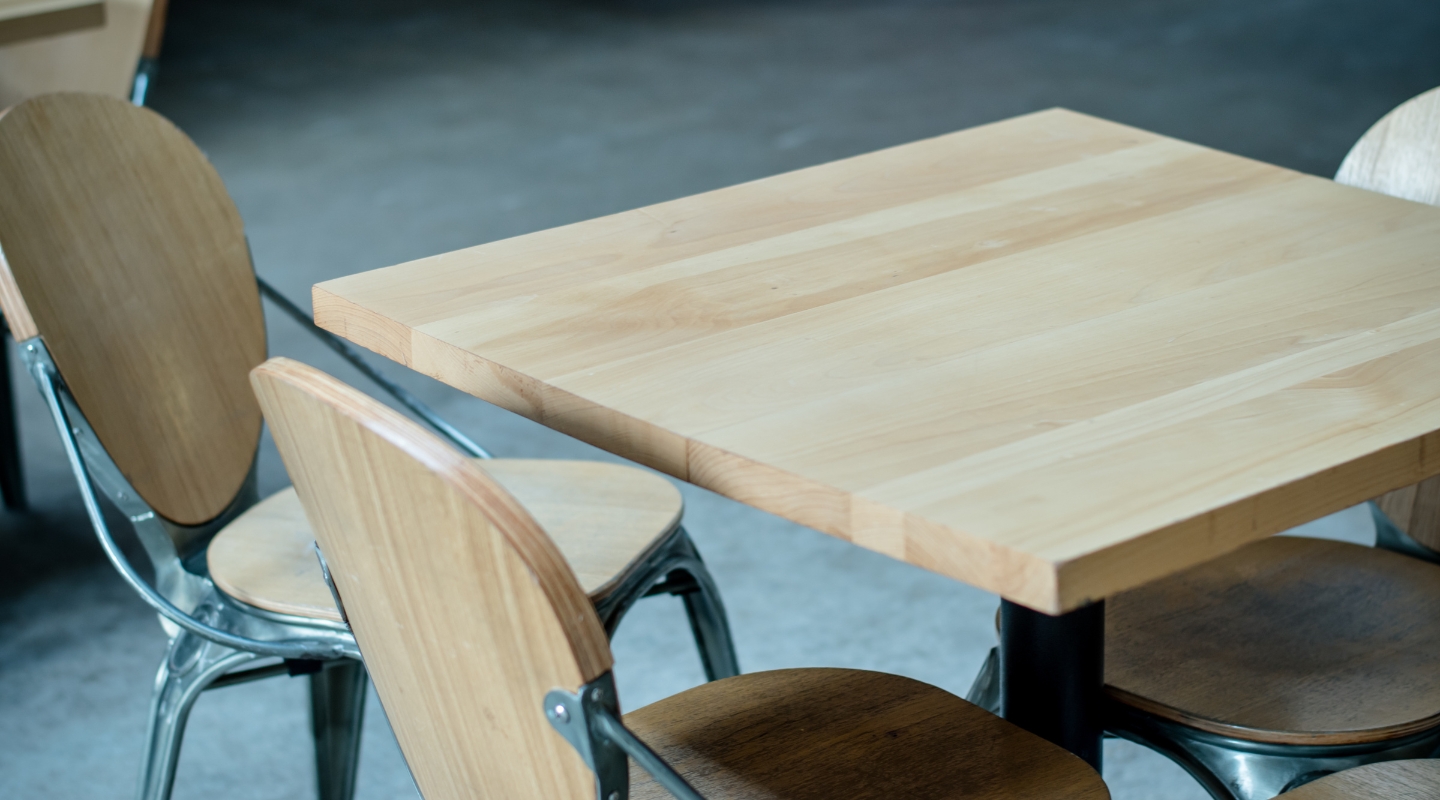
Materials Used in Modern Hawker Centre Furniture
Choosing the right materials is crucial for balancing functionality, maintenance, and cost.
| Material | Benefits | Ideal Use |
|---|---|---|
| Stainless Steel | Corrosion-resistant, easy to disinfect | Table frames, stools |
| Laminate / Compact Board | Smooth surface, easy to clean, customizable | Tabletops |
| Polypropylene / ABS Plastic | Lightweight, waterproof, UV-resistant | Chairs, bench seats |
| Powder-Coated Metal | Rust-resistant, long-lasting | Chair legs, structural frames |
| Reinforced Fiberglass | Hygienic, scratch-resistant | Seat pans, tabletops |
Tip: Always verify that materials meet NEA’s durability and hygiene requirements before installation.
Functional Design Features for Hawker Furniture
Modern food court and hawker centre furniture incorporates smart design elements for comfort and efficiency:
Fixed table sets: Secure to the floor to prevent movement and maintain orderliness.
Rounded edges: Safer for children and elderly patrons.
Integrated seating: Reduces clutter and improves space flow.
Drainage design: For open-air hawker centres exposed to rain.
Anti-slip feet: Prevent sliding on tiled or wet surfaces.
These functional upgrades ensure both customer safety and ease of cleaning for stall operators.
Enhancing the Dining Experience
Even small upgrades can make a noticeable difference:
Comfortable seating height promotes longer, more pleasant meals.
Coordinated color themes give a modern and cohesive appearance.
Ergonomic seat curvature improves comfort and reduces fatigue.
Modern designs aren’t just practical — they elevate the hawker experience without losing the community spirit that makes these spaces unique.
Balancing Tradition with Modernity
Hawker culture is deeply rooted in tradition, but that doesn’t mean it can’t evolve. Furniture suppliers like Rasa Bloom specialize in bridging heritage aesthetics with modern practicality — blending classic kopitiam vibes with durable, easy-maintenance solutions.
Rasa Bloom’s hawker centre furniture combines stainless steel durability with laminated tabletops that mimic wood or marble finishes. This allows operators to retain familiar charm while meeting contemporary hygiene and comfort standards.
Cost Considerations: Value Beyond Price
When selecting food court tables & chairs, it’s tempting to go for the cheapest option — but this often leads to higher costs down the line.
Here’s why quality matters:
Low-cost sets may rust, warp, or break under heavy use.
Commercial-grade options may cost more initially but last 5–10 years longer.
Easy-clean materials reduce labour costs for daily maintenance.
Consider furniture as a long-term investment that reflects your brand’s professionalism and reliability.
How to Choose the Right Hawker Furniture Supplier
When upgrading, work with a specialized hawker and food court furniture supplier who understands Singapore’s operational requirements.
Look for:
Experience with NEA-approved projects
Customization options for layout and design
Durability testing for commercial-grade materials
Warranty and after-sales service
Rasa Bloom stands out as a trusted local supplier offering complete furniture solutions for hawker centres, food courts, and kopitiams. Their designs emphasize easy maintenance, modular flexibility, and compliance with Singapore standards.
Case Study: Upgrading a Local Hawker Cluster
At a recently refurbished hawker centre in Ang Mo Kio, operators replaced outdated steel tables with powder-coated aluminum frames and solid laminate tops.
Results after three months:
50% faster cleaning time after closing hours
Reduced rusting and repainting costs
Improved customer satisfaction with cleaner, modern ambiance
This example shows how small design changes can produce significant operational and visual benefits.
Sustainability in Hawker Furniture
Sustainability is another emerging focus in furniture design. Many modern hawker centre furniture sets now incorporate:
Recycled plastic seating
Eco-friendly powder coatings
Locally sourced materials to reduce carbon footprint
By choosing sustainable designs, stall owners contribute to Singapore’s Green Plan 2030, while reducing long-term replacement waste.
Frequently Asked Questions
1. What materials are best for hawker centre furniture in humid Singapore?
Stainless steel and laminate tops are best due to their moisture resistance and easy maintenance.
2. Are there NEA guidelines for hawker furniture?
Yes. Furniture must meet hygiene, durability, and fixed-layout requirements to ensure safety and compliance.
3. How long does modern hawker furniture last?
With proper maintenance, commercial-grade furniture can last 8–10 years even in high-traffic environments.
4. Can I customize my hawker furniture design?
Yes. Suppliers like Rasa Bloom offer customization in table size, color, and configuration to match your stall’s layout.
Conclusion
Singapore’s hawker centres may be steeped in tradition, but modernization is essential for sustainability, hygiene, and customer comfort.
By investing in modern hawker centre furniture, stall owners can transform their spaces into cleaner, more efficient, and visually appealing environments — without losing the soul of Singapore’s food heritage.
For durable, easy-clean, and NEA-compliant furniture built for heavy use, visit Rasa Bloom Singapore — your trusted partner in food court tables & chairs that balance tradition and innovation.