

Maximizing Small Restaurant Spaces with Smart Furniture
In Singapore’s competitive F&B industry, space is a premium asset. From cozy shophouse cafés to compact city restaurants, every square foot impacts your operational efficiency and customer experience. The secret to success lies in smart space planning — and the right furniture plays a crucial role in making even the smallest dining areas feel spacious, comfortable, and stylish.
This guide reveals expert insights on smart restaurant furniture solutions that help you optimize floor plans, increase seating capacity, and enhance overall dining flow — without compromising aesthetics or comfort.
Why Space Optimization Matters for Singapore Restaurants
Singapore’s limited commercial spaces and high rental rates make space optimization essential for profitability. A well-planned restaurant layout not only maximizes seating but also improves workflow, reduces clutter, and enhances customer satisfaction.
Smart furniture choices such as stackable restaurant chairs and modular dining tables allow flexibility during peak hours or private events, ensuring you get the best return on your space investment.
Rasa Bloom, a trusted restaurant seating solutions Singapore provider, emphasizes that efficient layouts are not just about squeezing in more seats — they’re about creating balance between comfort, accessibility, and ambiance.
1. Understand Your Space and Flow
Before purchasing furniture, evaluate how customers and staff move within your space. Consider entryways, serving areas, and restrooms to ensure seamless traffic flow.
Key Tips:
Leave at least 24 inches between tables for ease of movement.
Position service stations near the kitchen for quick access.
Avoid blocking windows or exits to maintain an open feel.
Mapping your floor plan with accurate dimensions prevents overcrowding and supports a comfortable dining environment.

2. Use Stackable Restaurant Chairs for Flexibility
One of the smartest investments for compact dining spaces is stackable restaurant chairs. These lightweight, space-saving chairs allow you to easily store extras during non-peak hours or reconfigure layouts for events.
Benefits of Stackable Chairs:
Save valuable storage space
Simplify cleaning and floor maintenance
Offer quick setup for group reservations
Maintain visual consistency across indoor and outdoor zones
For example, stackable resin or metal chairs with ergonomic designs are ideal for casual eateries and cafés, while stackable upholstered chairs suit fine dining spaces seeking both elegance and practicality.
By choosing stackable options from a reliable restaurant seating solutions Singapore supplier like Rasa Bloom, you can achieve flexibility without sacrificing quality or design appeal.
3. Opt for Multi-Purpose and Modular Furniture
Multi-functional furniture is a game changer for small restaurants. Modular dining tables, for instance, can be combined for large parties or separated for smaller groups. Foldable or extendable tables are also useful for daily operations.
Smart Furniture Examples:
Foldable bistro tables for alfresco dining
Benches with built-in storage for menus or utensils
Stackable stools that double as side tables
Mobile bar counters with hidden compartments
These solutions maximize space efficiency while maintaining a polished, professional look.
4. Prioritize Lightweight and Durable Materials
Choosing lightweight yet durable materials allows for easier rearrangement when cleaning or hosting private functions.
Recommended Materials:
Aluminium or metal frames: strong yet easy to move
Resin and polypropylene: weather-resistant and ideal for outdoor use
Wood veneer or laminate tops: stylish and low-maintenance
Durable materials reduce long-term maintenance costs and ensure your restaurant retains its charm even with daily wear and tear.

5. Use Vertical Space Creatively
When floor space is limited, think vertically. Add shelving or wall-mounted seating accessories to free up room. For instance, foldable wall tables or hanging storage systems keep essentials accessible without cluttering walkways.
Design Ideas:
Floating wall shelves for condiments or plants
Foldable counters attached to walls
Hanging racks for menus or utensils
These touches enhance efficiency while maintaining a clean, modern atmosphere.
6. Mix Seating Styles Strategically
Diverse seating options can cater to different customer needs while optimizing space. Combine stackable restaurant chairs with booths, stools, and benches for a dynamic yet cohesive look.
Layout Strategy:
Booths along walls for couples or families
Stackable chairs in the center for easy rearrangement
Bar stools for high-top counters to save floor space
This approach allows you to maximize capacity during busy hours while maintaining flexibility for off-peak adjustments.
7. Consider Traffic Flow and Comfort
Compact doesn’t have to mean cramped. Good layout planning ensures diners enjoy comfort without feeling confined.
Guidelines for Flow and Comfort:
Avoid narrow aisles or dead corners
Provide enough legroom (18–24 inches per seat)
Maintain symmetry between tables and pathways
Remember, a restaurant that “feels” spacious often performs better because customers linger longer and are more likely to return.
8. Integrate Aesthetic and Practicality
Smart furniture should align with your restaurant’s concept — whether minimalist, industrial, or tropical. The goal is to balance visual appeal with functionality.
Design Coordination Tips:
Match stackable chairs with tabletops in complementary finishes
Use color to visually expand space — lighter tones reflect light
Incorporate transparent or slimline furniture to enhance openness
When sourced from a professional restaurant seating solutions provider like Rasa Bloom, you can customize designs that fit both your branding and operational needs.
9. Outdoor Seating Optimization
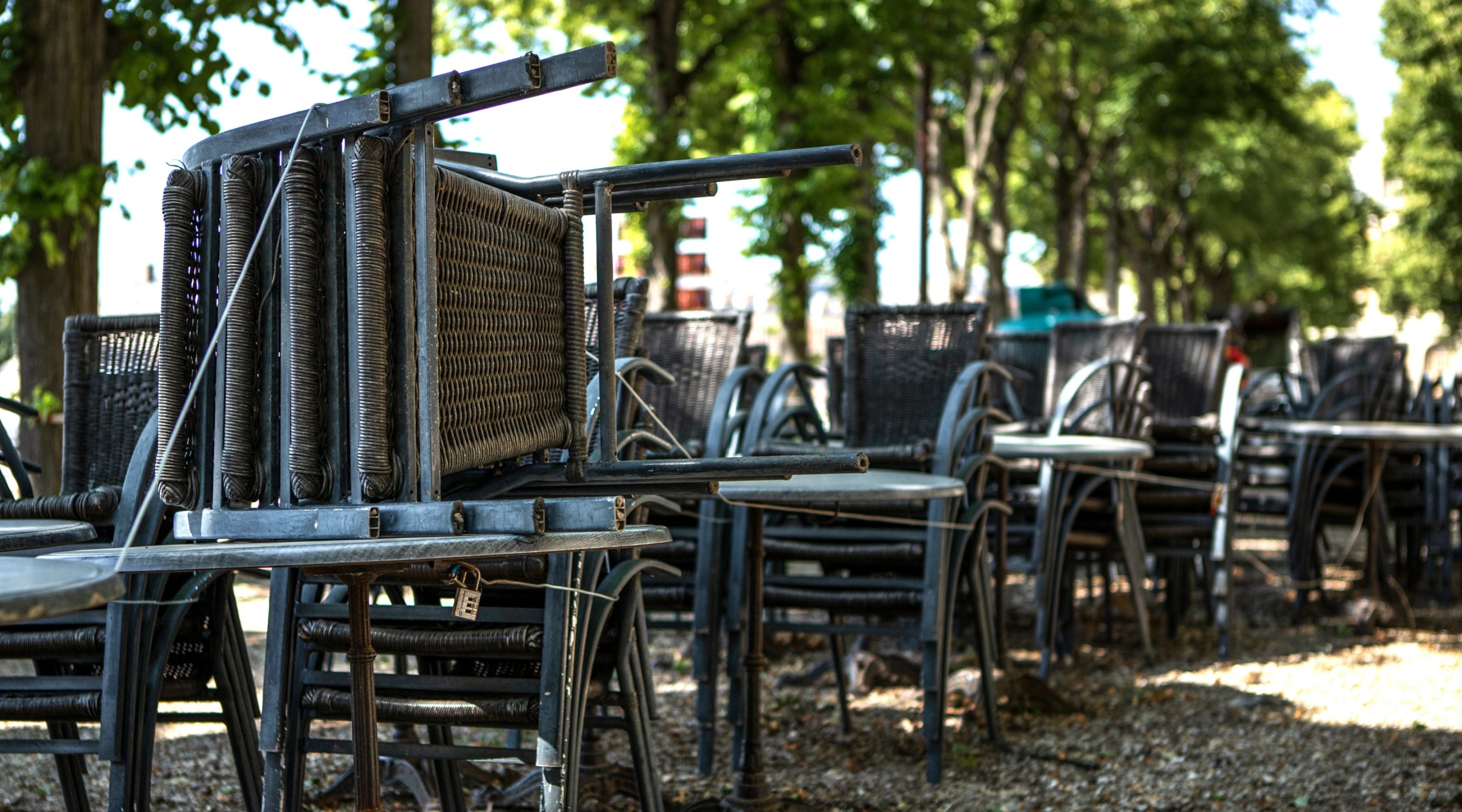
For restaurants with outdoor areas, invest in weather-resistant and stackable furniture. Singapore’s humid climate demands materials like aluminum, rattan, or polypropylene that can withstand heat and rain.
Outdoor Optimization Tips:
Use stackable outdoor chairs for easy overnight storage
Install foldable tables to adapt for crowd fluctuations
Choose light-colored materials to reduce heat absorption
Smart outdoor planning not only adds seating capacity but also enhances your restaurant’s curb appeal.
10. Partner with Professional Suppliers
Collaborating with a reliable restaurant furniture supplier ensures you receive professional advice tailored to your layout and brand concept.
Rasa Bloom provides restaurant seating solutions that balance style, comfort, and functionality — perfect for F&B owners looking to maximize every inch of their space efficiently.
Their team also assists in layout planning, material selection, and furniture customization, making them a trusted partner in Singapore’s F&B design landscape.
Frequently Asked Questions
Q1: How can I increase seating capacity without making my restaurant feel cramped?
A: Use stackable chairs, modular tables, and booth seating to optimize space while maintaining comfort and flow.
Q2: Are stackable chairs durable enough for daily commercial use?
A: Yes. High-quality stackable restaurant chairs made from metal, resin, or reinforced plastic are designed for heavy traffic and long-term use.
Q3: What materials are best for Singapore’s humid environment?
A: Aluminum, stainless steel, and polypropylene are ideal for humid conditions and easy maintenance.
Q4: Can Rasa Bloom customize furniture to fit my floor plan?
A: Absolutely. Rasa Bloom offers tailored solutions for restaurants, cafés, and bars, ensuring furniture complements your layout perfectly.
Conclusion
Maximizing space in Singapore’s compact restaurants requires a thoughtful blend of smart design and furniture flexibility. From stackable restaurant chairs to modular tables and multifunctional layouts, every choice contributes to comfort, efficiency, and profitability.
Partnering with a trusted supplier like Rasa Bloom gives you access to expert guidance, durable materials, and modern restaurant seating solutions that elevate both your dining space and brand identity.