

Luxury Fine Dining Furniture: Custom Upholstery, Velvet & Bespoke Finishes for Prestige Restaurants
Fine dining establishments are built on more than exceptional cuisine. The environment surrounding the meal plays an equally important role in shaping how guests perceive the entire experience. Lighting, acoustics, tableware, and interior design all work together to create a sense of refinement. Among these elements, furniture quietly carries a significant responsibility.
Seating comfort affects how long guests remain relaxed during multi-course meals. Table surfaces influence presentation. Materials and finishes communicate the level of craftsmanship associated with the restaurant itself. Because of this, many upscale establishments invest in custom restaurant furniture Singapore hospitality projects increasingly favour for its flexibility and design precision.
Rather than choosing mass-produced pieces, fine dining restaurants often commission furniture tailored to their concept. Working with a reputable restaurant furniture supplier Singapore hospitality professionals collaborate with allows interiors to achieve both visual elegance and long-term durability.
Why Fine Dining Restaurants Prefer Custom Furniture
Luxury restaurants rarely operate within standard design templates. Each concept typically tells a story—perhaps inspired by heritage architecture, modern minimalism, or European bistro culture. Furniture must support that narrative rather than compete with it.
Custom pieces allow every detail to be considered carefully: seat height relative to table proportions, upholstery colour that complements the interior palette, and materials that match the tone of the dining room.
For example, a contemporary tasting menu restaurant might favour sculptural dining chairs with subtle metal accents, while a heritage-inspired establishment could emphasise warm wood tones and detailed craftsmanship. These nuances are difficult to achieve with off-the-shelf furniture.
Tailored production ensures that the finished pieces align perfectly with the restaurant’s spatial layout and design vision.
The Role of Comfort in a Premium Dining Experience
Guests at fine dining restaurants often spend several hours enjoying a carefully paced meal. Seating therefore must provide comfort without appearing bulky or casual.
Well-designed chairs distribute weight evenly, support the lower back, and maintain proper posture during extended seating. Cushion density is another critical factor. Too soft and the chair loses structure; too firm and it becomes uncomfortable over time.
Professional manufacturers who specialise in hospitality furniture Singapore restaurants commission typically test seating ergonomics extensively. The goal is subtle comfort that diners notice only by the absence of discomfort.
When guests feel relaxed, they remain focused on the cuisine and conversation rather than adjusting their seating.
Velvet Upholstery: Texture and Visual Depth
Velvet has become a defining material in many luxury dining interiors. Its soft texture introduces warmth and elegance while absorbing light in a way that adds visual depth to the room.
Deep jewel tones such as emerald, burgundy, navy, and charcoal are particularly popular. These colours create a sense of richness while pairing well with warm ambient lighting.
Modern commercial velvet fabrics are far more durable than traditional versions. Many are engineered with stain resistance and reinforced fibres suitable for hospitality environments.
When incorporated thoughtfully, velvet seating brings a tactile dimension that enhances the sense of luxury without overwhelming the overall design.
Bespoke Finishes That Elevate Interior Character
Beyond upholstery, finishes play a significant role in defining the atmosphere of a fine dining restaurant. Materials such as brushed brass, polished marble, and solid hardwood introduce visual contrast and craftsmanship.
Table bases might feature subtle metallic details that echo lighting fixtures above. Chair frames could combine wood with leather or fabric elements to create layered textures.
These small design choices collectively shape the identity of the restaurant. Bespoke finishes allow furniture to blend seamlessly with architectural elements such as wall panels, flooring, and bar counters.
Achieving this level of coordination often requires collaboration between interior designers and a skilled furniture manufacturer.
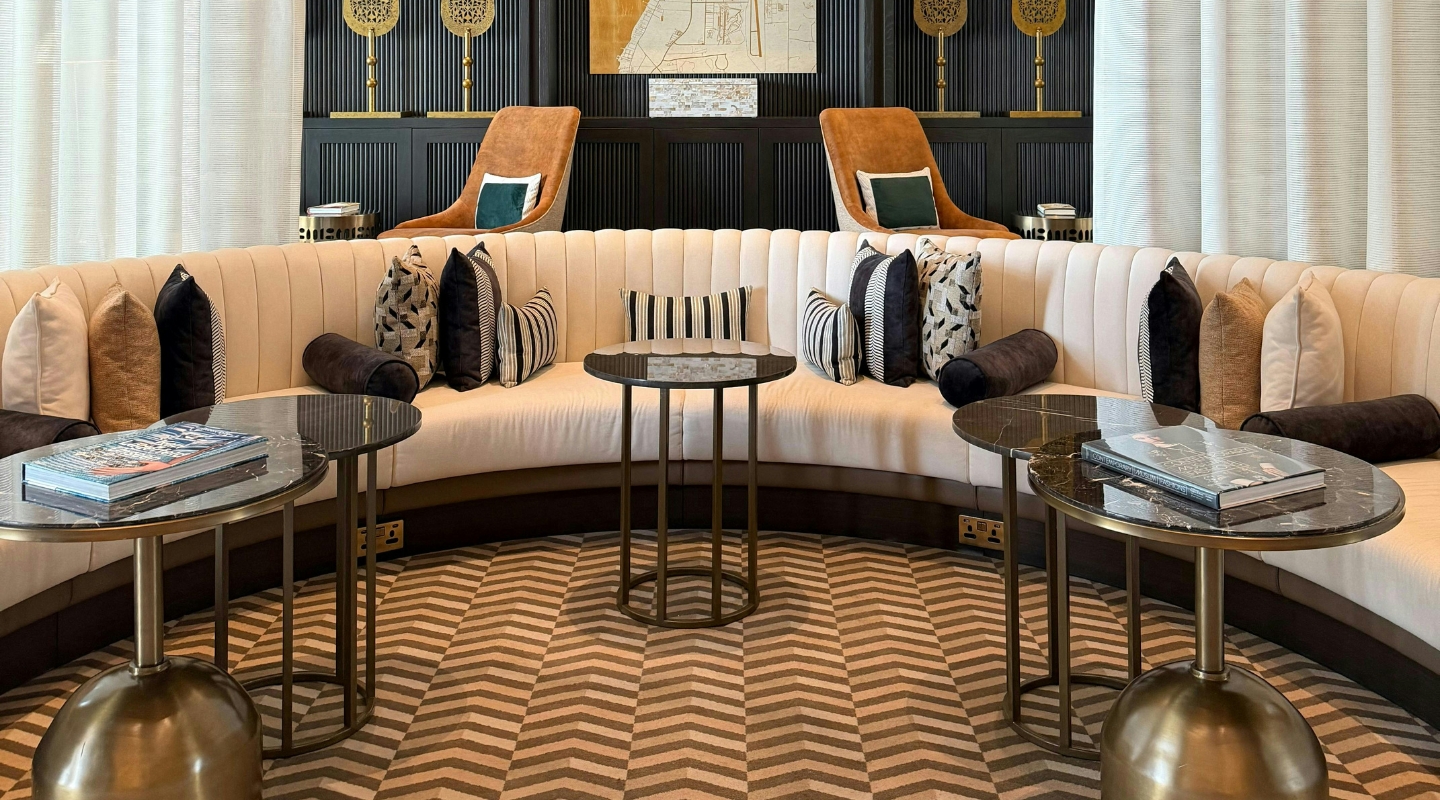
Banquette Seating for Intimate Dining Areas
Banquettes are frequently used in high-end restaurants to create intimate seating zones. Upholstered benches positioned along walls or curved alcoves allow tables to be placed efficiently while providing a sense of privacy for diners.
This style of seating also introduces a sense of softness to the room. High backrests help absorb sound, improving acoustic comfort in busy dining rooms.
From a design perspective, banquettes offer an opportunity to introduce distinctive fabrics or stitching patterns that reinforce the restaurant’s aesthetic theme.
The result is seating that feels both luxurious and welcoming.
Material Durability in Fine Dining Furniture
Although luxury furniture emphasises elegance, it must still withstand daily use. Chairs are moved frequently, tabletops are cleaned repeatedly, and surfaces encounter occasional spills.
High-quality construction ensures that these interactions do not compromise structural integrity or appearance. Solid hardwood frames, reinforced joinery, and durable upholstery fabrics are commonly used in premium hospitality seating.
Manufacturers producing commercial grade restaurant furniture typically apply protective coatings that resist moisture, stains, and scratches. These treatments help maintain the refined appearance expected in upscale establishments.
Durability ensures that the investment made in bespoke furniture continues to deliver value over many years.
Craftsmanship and Detail
What distinguishes luxury furniture from standard commercial pieces is often the level of craftsmanship involved. Subtle details such as precise stitching, smooth joinery, and carefully finished edges reflect the expertise of skilled artisans.
These features may not always be immediately visible, but they influence how the furniture feels and ages over time.
Restaurants seeking a distinctive interior often prioritise suppliers capable of producing this level of detail. Skilled craftspeople understand how different materials interact and how finishes evolve with use.
Such attention to detail ensures that furniture remains elegant even after years of service.
Aligning Furniture with Culinary Identity
Every fine dining restaurant communicates a particular culinary philosophy. The interior environment should reinforce that identity rather than distract from it.
For example, a modern Japanese restaurant might emphasise clean lines, natural wood textures, and minimal ornamentation. A French-inspired dining room might incorporate curved chair backs, brass accents, and plush upholstery.
When furniture aligns with the culinary narrative, the entire dining experience becomes more cohesive. Guests may not consciously analyse these elements, but they instinctively sense when the atmosphere feels authentic.
This harmony between design and cuisine contributes significantly to memorable dining experiences.
Collaborating With Experienced Hospitality Furniture Specialists
Designing bespoke restaurant furniture requires coordination between architects, interior designers, and manufacturers. Each party brings a different perspective—spatial planning, aesthetic direction, and technical construction expertise.
Companies such as Rasa Bloom have developed experience supporting hospitality projects by translating design concepts into durable furniture pieces suitable for restaurant operations.
A knowledgeable restaurant furniture supplier hospitality projects depend on can advise on material choices, construction methods, and maintenance considerations. This guidance ensures that the finished pieces balance visual elegance with everyday practicality.
Conclusion
Luxury dining environments depend on thoughtful design at every level. While cuisine and service often receive the spotlight, furniture quietly shapes the comfort and atmosphere experienced by guests throughout the meal.
By commissioning custom restaurant furniture fine dining establishments increasingly favour, restaurants can create interiors that reflect their culinary identity while providing exceptional comfort.
Velvet upholstery, bespoke finishes, and carefully crafted seating contribute to an environment where guests feel relaxed and immersed in the experience.
With the support of experienced specialists such as Rasa Bloom, fine dining restaurants can bring these design visions to life through furniture that balances craftsmanship, durability, and elegance.
Frequently Asked Questions
1. Why do luxury restaurants choose custom furniture instead of standard pieces?
Custom furniture allows restaurants to match seating dimensions, materials, and finishes precisely with their interior design concept and layout.
2. Is velvet suitable for restaurant seating?
Yes. Modern commercial velvet fabrics are designed to be durable and stain-resistant while maintaining their soft texture and elegant appearance.
3. What materials are commonly used in luxury restaurant furniture?
Solid hardwood, brass, marble, leather, and high-quality upholstery fabrics are frequently used in fine dining environments.
4. How long does custom restaurant furniture typically take to produce?
Production timelines vary depending on design complexity and quantity, but most bespoke furniture projects require several weeks for manufacturing and finishing.