

Little India Restaurant Furniture: Cultural Design Elements in Singapore
Little India in Singapore is a celebration of color, culture, and culinary heritage. From aromatic spice shops to vibrant eateries serving traditional Indian cuisine, this district pulses with energy and authenticity. For restaurant owners, designing an interior that captures this cultural richness is essential — it’s about more than decoration; it’s about storytelling through space, texture, and furniture.
As a leading restaurant furniture supplier in Singapore, Rasa Bloom specializes in crafting furniture that harmonizes tradition with contemporary function. This article explores how cultural elements can be infused into restaurant design using furniture choices that reflect the soul of Little India while meeting the modern needs of Singapore’s F&B industry.
Understanding the Cultural Essence of Little India
Little India is one of Singapore’s most dynamic precincts — a hub of heritage, art, and food. Restaurants here range from century-old establishments serving thali meals to trendy fusion bistros blending Indian spices with modern dining concepts.
To design furniture for such spaces, one must appreciate the cultural depth of Indian aesthetics: bold colors, intricate craftsmanship, and symbolic motifs that evoke warmth and hospitality. The goal is to create an environment that feels authentic yet elevated, blending the beauty of tradition with the practicality of modern restaurant operations.
The Role of Furniture in Cultural Storytelling
Restaurant furniture plays a key role in translating culture into spatial experience. The materials, patterns, and finishes you select can subtly communicate your restaurant’s identity — whether you’re aiming for rustic authenticity or modern Indian fusion.
Furniture influences:
Ambience: Sets the emotional tone — cozy, elegant, festive, or relaxed.
Functionality: Affects comfort, seating flow, and dining efficiency.
Cultural authenticity: Ties the visual design to the cuisine’s roots.
When executed well, these elements come together to create a memorable dining experience that resonates with both locals and international guests.
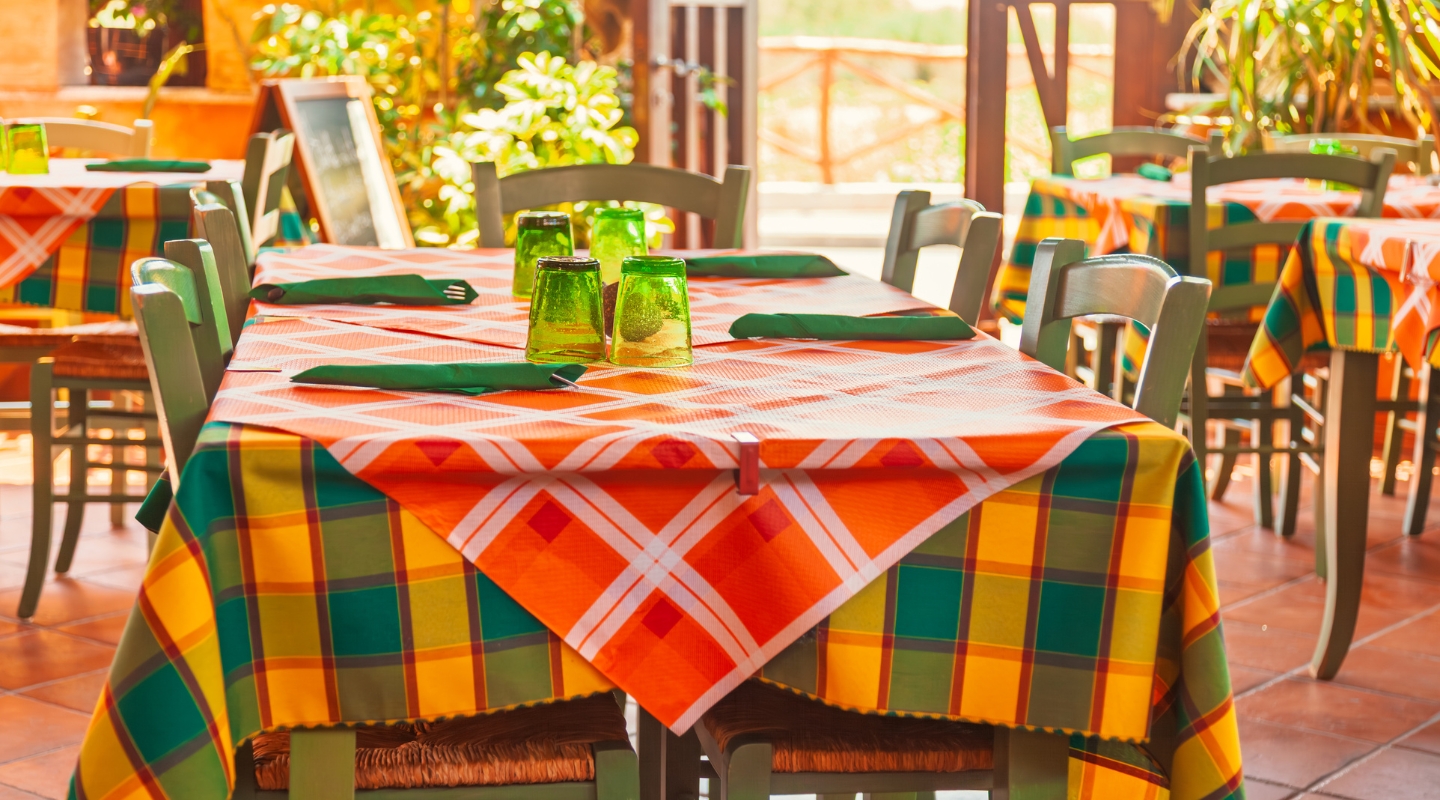
Core Cultural Design Elements in Indian-Inspired Interiors
1. Vibrant Color Palettes
Indian culture embraces color as a symbol of life and joy. In restaurant design, this can translate to warm and energetic tones that stimulate appetite and emotion.
Popular color combinations include:
Deep reds and saffrons for traditional North Indian restaurants.
Turquoise, royal blue, and gold for regal elegance.
Terracotta, mustard, and olive for earthy South Indian vibes.
Pair these rich hues with natural wood furniture or brass-finished accents to balance vibrancy with sophistication.
2. Ornamental Details and Patterns
Indian artistry is known for intricate craftsmanship — from carved wood to inlaid marble and handwoven fabrics. Furniture designs can integrate these details through:
Laser-cut chair backs inspired by mandala or floral motifs.
Carved wooden table bases with geometric latticework.
Patterned upholstery fabrics that echo traditional sari or block-print designs.
These touches bring an unmistakable authenticity to your restaurant’s atmosphere.
3. Material Selection with Cultural Relevance
Material choice is critical in blending traditional aesthetics with Singapore’s tropical climate. Rasa Bloom recommends materials that evoke cultural richness while ensuring long-term durability.
Top material choices:
Solid Teak Wood: Symbolizes strength and timelessness — ideal for traditional dining tables and chairs.
Powder-Coated Metal: Complements modern Indian-fusion interiors while resisting humidity.
Rattan and Cane Weaving: Adds texture and a handcrafted charm to seating.
Marble or Granite Table Tops: Reflect luxury and cultural opulence.
For restaurants located in Little India, combining wood and metal can strike a perfect balance between traditional artistry and modern practicality.
4. Lighting and Ambience Integration
Lighting plays an important cultural and emotional role. Indian interiors favor warm, ambient glows that create intimacy and comfort.
Furniture and lighting coordination tips:
Pair brass pendant lamps with rustic wood dining tables.
Use lantern-inspired fixtures for heritage-style spaces.
Incorporate LED-lit wall niches to highlight decorative furniture.
This blend of lighting and furniture styling ensures that every table feels inviting and every meal feels special.
Functional Considerations for Restaurant Owners
While cultural design elements add beauty, practical functionality is key to running a successful F&B space.
1. Durability in High-Traffic Areas
Little India restaurants often see high customer turnover. Choose commercial-grade restaurant furniture that withstands daily use without losing its finish.
2. Ease of Cleaning
Opt for easy-clean surfaces — varnished wood, laminate tops, or powder-coated metals — especially in areas with oily or spicy cuisines.
3. Space Optimization
Singapore’s urban restaurants must maximize seating while maintaining comfort. Compact, stackable chairs and modular tables help adjust layouts for peak and off-peak hours.
4. Cultural Meets Contemporary
Blending old and new is essential. For example, a restaurant may use classic carved wooden chairs alongside sleek marble-top tables, achieving an updated yet culturally resonant look.
Furniture Ideas for Different Restaurant Styles
| Restaurant Type | Design Style | Recommended Furniture |
|---|---|---|
| Traditional South Indian Eatery | Earthy, natural textures | Teak tables, cane chairs, terracotta accents |
| North Indian Fine Dining | Regal, elegant, luxurious | Upholstered dining chairs, gold accents, marble tabletops |
| Modern Indian Fusion Bistro | Minimalist, cultural hints | Metal-framed furniture, geometric chairs, neutral tones |
| Vegetarian Café or Chaat House | Bright and lively | Compact tables, colorful chairs, easy-clean finishes |
Each concept can be enhanced with custom furniture from Rasa Bloom to match brand identity and operational needs.
Outdoor Dining in Little India
With Singapore’s growing trend of alfresco dining, many Little India restaurants extend seating outdoors. Outdoor furniture should reflect the same cultural character while resisting tropical humidity and rain.
Recommendations for outdoor areas:
Powder-coated steel chairs with patterned cutouts.
Rattan or wicker seating for heritage charm.
Teak tables with water-resistant sealants.
Brightly colored cushions in weatherproof fabric for a festive vibe.
These pieces maintain authenticity while offering durability and comfort.
Custom Furniture by Rasa Bloom: Designed for Culture and Function
Rasa Bloom offers tailored solutions for restaurants looking to celebrate culture through craftsmanship. As a trusted restaurant furniture supplier in Singapore, we collaborate closely with restaurant owners and designers to ensure every piece tells a story.
Our services include:
Custom-made dining chairs, tables, and banquettes.
Material and color recommendations aligned with cultural themes.
Expert layout design for space efficiency.
Local delivery and professional installation.
With Rasa Bloom, you get more than furniture — you get a design partner committed to helping your restaurant stand out in Singapore’s competitive F&B landscape.
Cultural Sustainability in Design
Beyond aesthetics, cultural sustainability involves preserving tradition through modern adaptation. Using locally inspired materials, ethical sourcing, and handcrafted details, Rasa Bloom ensures that each project contributes to Singapore’s design heritage while supporting eco-friendly practices.
Sustainability also resonates with global diners who appreciate authenticity paired with social responsibility — a growing expectation in today’s dining culture.
Why Little India Restaurant Owners Choose Rasa Bloom
Deep understanding of Singapore’s diverse F&B market.
Expertise in custom restaurant furniture for heritage and modern venues.
High-quality materials suited for tropical conditions.
Personalized service from design to delivery.
By combining craftsmanship with practicality, Rasa Bloom helps bring the cultural essence of Little India to life in every restaurant interior.
Frequently Asked Questions
1. What type of furniture best suits traditional Indian restaurants in Singapore?
Teak wood furniture with carved details or brass inlays complements traditional Indian interiors beautifully.
2. Can Rasa Bloom customize furniture to match my restaurant’s color theme?
Yes, Rasa Bloom offers full customization for color, finish, and materials to ensure design harmony.
3. Is wooden furniture suitable for Singapore’s humid climate?
Yes, when treated with proper coatings, solid wood can resist moisture and maintain durability.
4. How do I balance cultural design with modern dining trends?
Combine traditional motifs or materials with minimalist modern forms for a balanced look that feels authentic yet updated.