

Kopitiam Furniture Supplier Guide: Traditional Meets Modern in Singapore
The kopitiam—a cornerstone of Singapore’s food culture—has evolved beyond a simple coffee shop into a nostalgic yet modern gathering space. While it remains synonymous with kaya toast and kopi, the furniture within these beloved spots has undergone a quiet revolution.
From vintage marble-top tables to sleek modern laminates, kopitiam furniture suppliers in Singapore are redefining the balance between tradition and functionality. In this guide, we’ll explore how modern suppliers like Rasa Bloom are helping operators blend the best of both worlds: classic aesthetics with modern comfort and durability.
The Heritage of Kopitiam Design
Kopitiams date back to the early 20th century, serving as meeting places for locals to socialize over coffee and simple meals. The typical setup featured:
Marble-top tables on cast-iron bases
Wooden or rattan chairs
Open layouts with communal seating
These spaces embodied community, simplicity, and cultural identity. Yet, as hygiene standards, comfort expectations, and customer demographics evolve, kopitiam owners face a challenge — how to preserve that nostalgic atmosphere while upgrading to modern materials.
Why Modern Kopitiam Furniture Matters
Modern kopitiams must serve both locals craving familiarity and younger customers seeking comfort and aesthetics. Investing in updated kopitiam furniture helps achieve that delicate balance.
1. Hygiene & Cleanability
Traditional materials like wood or marble are beautiful but can absorb moisture or stain easily. Modern suppliers now offer laminated and stainless steel alternatives that mimic the look of natural materials while meeting NEA hygiene standards.
2. Comfort & Ergonomics
Customers today expect better comfort. Ergonomically designed chairs and benches improve seating posture and encourage longer stays — a key advantage for coffee shops that rely on regulars and repeat customers.
3. Durability for Heavy Use
Commercial-grade materials like powder-coated steel and compact laminate can withstand constant use, hot spills, and high humidity, making them ideal for Singapore’s weather conditions.
4. Cost Efficiency
Modern furniture may cost more upfront, but its longevity, low maintenance, and resistance to wear result in better long-term savings for stall owners.
Traditional vs. Modern Kopitiam Furniture
| Feature | Traditional Kopitiam Furniture | Modern Kopitiam Furniture |
|---|---|---|
| Material | Marble, wood, rattan | Laminate, polypropylene, stainless steel |
| Design | Vintage, ornate details | Minimalist, ergonomic |
| Maintenance | High – prone to stains, warping | Low – easy to clean, moisture-resistant |
| Durability | Moderate | High – commercial-grade build |
| Customization | Limited | Wide range of finishes, sizes, and colors |
| Compliance | May not meet NEA standards | Designed for food service safety and hygiene |
Modern suppliers combine these elements to recreate the kopitiam atmosphere with updated performance and compliance.
Popular Kopitiam Furniture Options in Singapore
Modern kopitiam furniture comes in various styles to suit both small stalls and large dining halls.
1. Marble-Look Laminate Tables
Recreates the vintage look of marble without the maintenance hassle.
Resistant to scratches, heat, and moisture.
Available in custom shapes and sizes.
2. Fixed Seating Sets
Floor-mounted or wall-fixed options to optimize space and prevent clutter.
Ideal for high-traffic food courts or shared dining spaces.
3. Stainless Steel Frames
Provide a modern industrial look while ensuring long-term durability.
Rust-resistant and compliant with NEA food hygiene standards.
4. Rattan-Inspired Plastic Chairs
Combine traditional design aesthetics with modern weather-resistant materials.
Lightweight and stackable for easy storage.
5. Compact Bench Seating
Suitable for kopitiams in malls or hawker centres with limited space.
Encourages communal dining while saving floor area.

How Kopitiam Furniture Suppliers Blend Tradition and Innovation
A good kopitiam furniture supplier doesn’t just sell tables and chairs — they help preserve heritage through thoughtful design.
Here’s how leading suppliers like Rasa Bloom do it:
Heritage-Inspired Designs: Classic silhouettes recreated using modern materials.
Custom Finishes: Laminate tops mimicking marble, terrazzo, or wood textures.
Smart Construction: Reinforced joints, rust-proof coatings, and smooth edges for safety.
Functional Modern Touches: Stackable or modular designs for cleaning convenience.
This fusion of nostalgia and practicality makes the modern kopitiam an enduring symbol of Singapore’s evolving food scene.
Key Considerations When Choosing a Kopitiam Furniture Supplier
Not all suppliers are equal. Here’s what to look for before you buy:
1. Experience in F&B Projects
Choose suppliers who specialize in hawker centres, kopitiams, and food courts — they understand space limitations, compliance needs, and maintenance challenges.
2. Material Quality
Ensure furniture is made from commercial-grade materials that resist moisture, heat, and corrosion. Avoid domestic-grade furniture — it won’t withstand daily commercial wear.
3. Design Versatility
A good supplier offers customizable solutions — from table size to color palette — to match your brand identity while retaining traditional appeal.
4. Compliance with NEA and Safety Standards
Suppliers familiar with Singapore’s NEA guidelines can help ensure your setup meets hygiene and layout standards.
5. After-Sales Support
Look for suppliers who offer warranty coverage, replacement parts, and repair services, ensuring peace of mind long after purchase.
Rasa Bloom: Your Trusted Kopitiam Furniture Supplier in Singapore
Rasa Bloom combines craftsmanship, technology, and heritage to deliver furniture that suits the modern food and beverage industry.
Their key offerings include:
Heritage-inspired designs with modern durability
Custom food court tables & chairs
Fixed-seating systems for efficient space use
Waterproof, easy-clean surfaces
NEA-compliant and commercial-grade construction
Rasa Bloom’s commitment to design integrity and long-lasting quality makes them the preferred choice for kopitiam owners looking to modernize without losing tradition.
Sustainability and Modern Kopitiams
Singapore’s Green Plan 2030 encourages sustainable practices even in small businesses. Forward-thinking furniture suppliers are now offering:
Eco-friendly laminates and coatings
Recycled or recyclable plastic seating
Energy-efficient manufacturing processes
By choosing such options, kopitiam owners not only modernize responsibly but also appeal to eco-conscious diners.
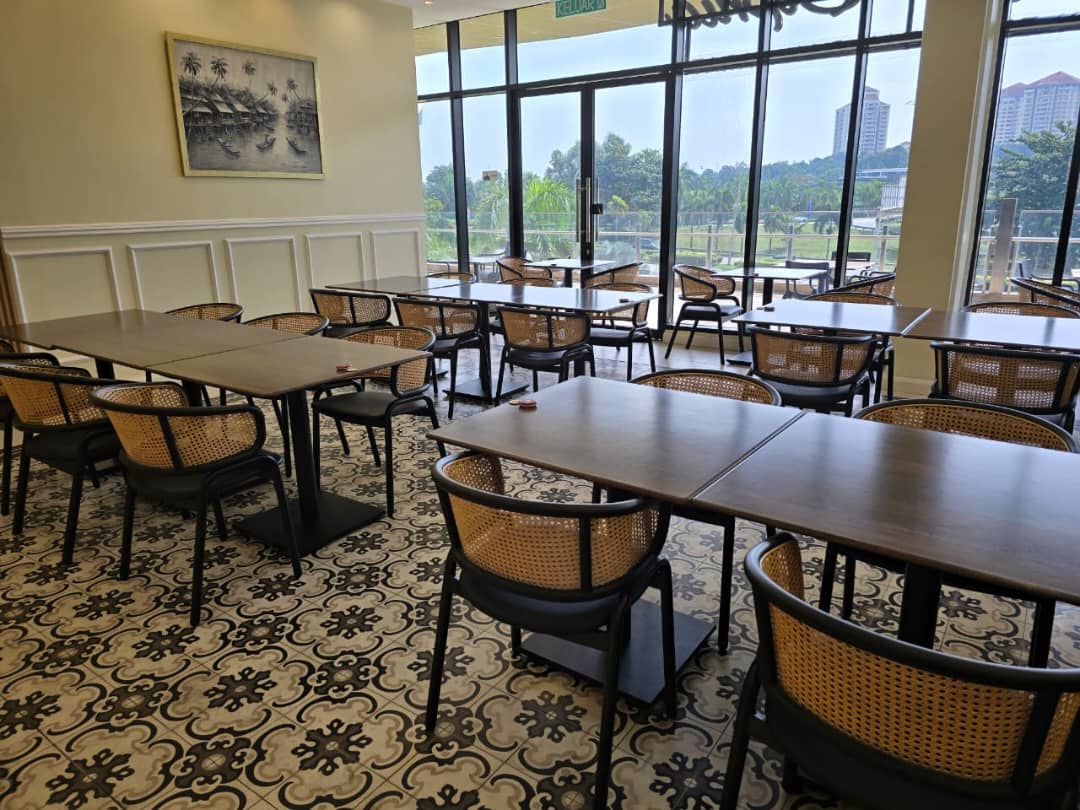
Case Study: Modernized Kopitiam in Toa Payoh
A family-run kopitiam in Toa Payoh recently upgraded its aging setup with compact laminate tables and rattan-style polypropylene chairs from Rasa Bloom.
After three months:
Cleaning time was reduced by 40%
Customer seating capacity increased by 15%
The refreshed design attracted younger crowds while retaining loyal customers
This shows how strategic furniture upgrades can boost both operational efficiency and brand image.
Frequently Asked Questions
1. Can I still get the traditional kopitiam look with modern furniture?
Yes — modern suppliers offer marble-look laminates and classic chair silhouettes made with durable materials.
2. What’s the average lifespan of modern kopitiam furniture?
High-quality commercial furniture typically lasts 8–10 years, depending on usage and maintenance.
3. Are kopitiam tables NEA-approved?
NEA doesn’t certify specific products but enforces hygiene and safety requirements. Rasa Bloom’s furniture is designed to meet these standards.
4. Can furniture be customized for my stall’s layout?
Absolutely. Custom dimensions, colors, and finishes can be tailored to fit your space and brand identity.
Conclusion
The kopitiam remains a timeless symbol of Singapore’s cultural heritage — and with the right furniture, it can also represent the nation’s modern spirit.
By working with experienced kopitiam furniture suppliers like Rasa Bloom, owners can transform their spaces into comfortable, hygienic, and aesthetically appealing hubs that honor the past while embracing the future.
Whether you’re renovating a traditional coffee shop or opening a modern food court, choosing the right furniture will ensure your kopitiam continues to be a place where community and culture thrive.
For customized, durable, and NEA-compliant furniture, visit Rasa Bloom Singapore — your trusted partner in kopitiam and hawker centre furniture solutions.