

Japandi-Style Cafe Furniture for Singapore 2026: Wabi-Sabi Minimalism Meets Tropical F&B Design
The café scene in Singapore is evolving rapidly, and interior design has become just as important as the menu. In 2026, one aesthetic stands out as a dominant trend: Japandi. Combining Japanese wabi-sabi philosophy with Scandinavian simplicity, this design style creates calm, elegant spaces that feel both modern and timeless.
For owners sourcing cafe furniture Singapore suppliers provide, understanding Japandi design principles can help create a space that attracts customers, enhances brand identity, and optimises seating comfort. This guide explores how to select the right furniture, materials, and layouts to achieve a Japandi café that resonates with Singapore’s climate, culture, and customer expectations.
What Is Japandi Design and Why It’s Trending in 2026
Japandi is a fusion of two design philosophies:
Japanese design: simplicity, natural materials, imperfect beauty
Scandinavian design: functionality, minimalism, comfort
The result is a style defined by clean lines, neutral tones, organic textures, and purposeful furniture. This approach appeals strongly to modern café owners because it creates calming environments where customers enjoy lingering longer—a factor that directly increases average spending.
In Singapore’s competitive café landscape, aesthetics play a major role in attracting social media attention. Japandi interiors photograph beautifully, making them ideal for Instagram-friendly dining spaces.
Why Japandi Works Especially Well for Singapore Cafés
Climate Compatibility
Japandi furniture typically uses breathable materials such as wood, linen, and rattan. These materials perform well in humid environments when properly treated, making them suitable for Singapore’s tropical climate.
Space Efficiency
Many cafés operate in compact shop units. Japandi furniture prioritises functional design, allowing you to maximize seating without cluttering the layout.
Customer Psychology
Minimalist interiors reduce visual noise, creating a calm dining atmosphere. Customers feel more relaxed, which encourages longer stays and repeat visits.
Essential Japandi Furniture Pieces for Cafés
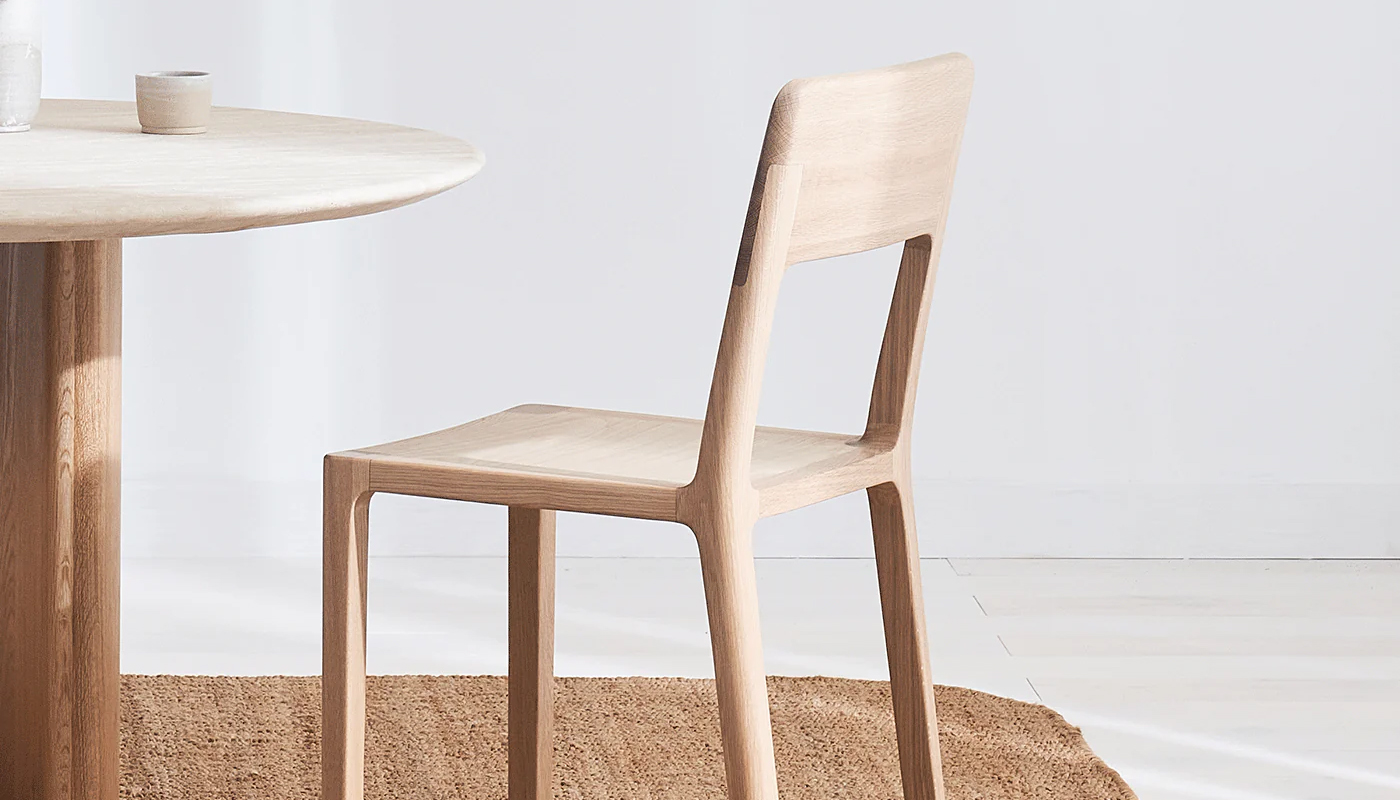
To achieve an authentic Japandi look, focus on selecting key furniture pieces that embody simplicity and craftsmanship.
Chairs: The Foundation of Comfort and Style
Seating is the most important furniture element in any café. Japandi-style chairs typically feature:
Slim wooden frames
Neutral upholstery
Matte finishes
Ergonomic backrests
Investing in durable cafe chairs Singapore businesses trust ensures your seating withstands daily use while maintaining visual elegance. Commercial-grade chairs should be reinforced at joints and treated with protective coatings to resist scratches and stains.
Tables: Minimal Yet Functional
Japandi tables emphasize clean geometry and natural textures. Popular options include:
Solid wood tops with rounded edges
Light oak or walnut finishes
Stone or composite tops for durability
Tables should be sturdy yet visually light to preserve the airy feel central to Japandi design.
Bar Seating: Subtle Statement Pieces
Bar stools can act as focal points without disrupting minimalism. Look for designs with:
Footrests for comfort
Narrow profiles
Soft neutral tones
Avoid overly decorative stools—simplicity is key.
Accent Seating and Lounge Areas
If your café includes a lounge section, choose low-profile sofas or benches in muted colours such as beige, taupe, or soft grey. Upholstery should be stain-resistant and easy to maintain.
Choosing the Right Materials for Japandi Café Furniture
Material selection determines both visual impact and longevity. Japandi design prioritises natural textures, but in commercial settings durability is equally important.
Recommended Materials
Solid Wood
Adds warmth and authenticity. Best for chairs, tables, and countertops when sealed against moisture.
Engineered Wood with Veneer
Provides a similar aesthetic at lower cost while maintaining structural stability.
Powder-Coated Steel Frames
Hidden metal reinforcement improves durability without compromising minimalist aesthetics.
Synthetic Rattan
Offers the organic look of natural fibres but withstands humidity and frequent cleaning.
Professional suppliers like Rasa Bloom often recommend hybrid constructions that combine natural finishes with industrial-grade internal structures for the best balance of style and strength.
Colour Palettes That Define Japandi Cafés
Colour plays a major role in achieving the Japandi aesthetic. Stick to a restrained palette inspired by nature.
Core tones include:
Warm whites
Soft greys
Sand beige
Muted greens
Light wood browns
Avoid high-contrast or overly saturated colours. Instead, create visual interest through texture rather than bold hues.
Layout Principles for Japandi Café Design
Furniture arrangement is just as important as furniture selection. A well-planned layout enhances both customer experience and staff efficiency.
Key Layout Strategies
Prioritise Negative Space
Empty space is intentional in Japandi design. Avoid overcrowding tables.
Use Symmetry
Balanced arrangements create visual calm and order.
Highlight Natural Light
Position seating to maximize daylight exposure whenever possible.
Zoning
Divide areas into sections for solo diners, small groups, and communal seating.
Suppliers experienced in hospitality layouts can help optimise floor plans. Many café owners consult Rasa Bloom for layout planning before finalizing furniture purchases.
Durability vs Aesthetics: Finding the Right Balance
One common misconception is that minimalist furniture is fragile. In reality, commercial Japandi furniture can be extremely durable when manufactured correctly.
High-quality pieces feature:
Reinforced joints
Protective coatings
Commercial-grade upholstery
Scratch-resistant finishes
Always request technical specifications before purchasing. A reputable supplier will clearly explain load capacity, material thickness, and maintenance requirements.
Maintenance Tips for Long-Lasting Japandi Furniture
To preserve your furniture’s appearance and lifespan, follow proper maintenance practices:
Clean surfaces daily with mild, non-abrasive cleaners
Avoid harsh chemicals that damage finishes
Tighten screws periodically
Use protective pads under chair legs
Rotate seating to distribute wear evenly
Routine care ensures your investment continues looking premium for years.
Budget Planning for First-Time Café Owners
Furniture is a major startup cost, but it should be viewed as a long-term investment rather than a short-term expense. High-quality commercial furniture typically lasts several years longer than cheaper alternatives.
Cost Factors to Consider
Material quality
Customization level
Quantity ordered
Delivery and installation
Warranty coverage
Spending slightly more upfront on durable pieces often reduces replacement costs, making it more economical in the long run.
Why Japandi Design Attracts Modern Customers
Today’s café customers are drawn to spaces that feel calm, authentic, and thoughtfully designed. Japandi interiors deliver all three qualities.
Benefits include:
Timeless aesthetic that doesn’t go out of style
Comfortable seating encouraging longer visits
Neutral backdrop ideal for food photography
Relaxing atmosphere that enhances customer experience
Because of these advantages, many new cafés launching in Singapore are adopting Japandi-inspired interiors as part of their branding strategy.
How to Choose the Right Supplier for Japandi Café Furniture
Not all furniture vendors understand Japandi principles. Look for suppliers who:
Specialise in commercial hospitality furniture
Offer neutral-toned collections
Provide customization options
Understand spatial planning
Have café project experience
Working with a specialist ensures your furniture aligns with both design vision and operational needs.
Final Thoughts
Japandi design represents more than just a trend—it’s a timeless approach that combines beauty, functionality, and emotional comfort. For Singapore café owners, it offers the perfect balance between aesthetic appeal and commercial practicality.
By choosing quality materials, durable construction, and thoughtful layouts, you can create a space that not only looks stunning but also performs reliably under daily use. Partnering with experienced suppliers ensures your furniture supports your brand vision while meeting operational demands.
Whether you’re opening your first café or refreshing an existing space, Japandi-style furniture is a strategic choice that enhances customer experience, strengthens brand identity, and keeps your venue visually relevant for years to come.
Frequently Asked Questions
1. Is Japandi furniture suitable for high-traffic cafés?
Yes. Commercial-grade Japandi furniture is built with reinforced frames and durable finishes, making it ideal for busy environments.
2. What wood tones work best for Japandi cafés?
Light oak, ash, walnut, and natural teak tones are commonly used because they create warmth without overpowering the space.
3. Can Japandi design work in small café spaces?
Absolutely. Minimalist furniture and neutral colours make small spaces feel larger and more open.
4. Is custom Japandi furniture worth it?
Custom pieces allow you to match branding, optimize layouts, and create a distinctive atmosphere that sets your café apart.