

Acoustic Restaurant Design Singapore: How Furniture Selection and Placement Impacts Dining Noise Levels
In Singapore’s vibrant F&B scene, creating a visually appealing space is no longer enough. Increasingly, restaurant owners are recognising that sound plays a critical role in shaping the overall dining experience. Excessive noise can make conversations difficult, reduce customer comfort, and even discourage repeat visits.
Acoustic design is often overlooked during the planning phase, yet it can be significantly influenced by furniture choices. For operators selecting commercial dining furniture, planning restaurant seatings solutions, and incorporating banquette furniture, understanding how furniture affects sound behaviour is essential.
This guide explores how thoughtful furniture selection and placement can help control noise levels and create a more comfortable dining environment.
Why Acoustics Matter in Restaurants
Restaurants are naturally noisy environments, with conversations, kitchen activity, and background music all contributing to the overall sound level. However, when noise becomes excessive, it can negatively impact the customer experience.
Poor acoustics can lead to echo, sound amplification, and overlapping conversations that create a chaotic atmosphere. This is particularly problematic in enclosed spaces with hard surfaces.
Improving acoustics is not about eliminating sound entirely, but about managing it in a way that allows for comfortable communication and a pleasant ambiance.
How Furniture Influences Sound Behaviour
Furniture plays a surprisingly important role in acoustic control. Different materials and shapes either absorb, reflect, or diffuse sound waves.
Hard surfaces such as metal and glass tend to reflect sound, increasing noise levels. In contrast, soft materials like fabric and cushioning absorb sound, reducing echo and reverberation.
By carefully selecting commercial dining furniture, restaurant owners can influence how sound travels within the space without relying solely on structural modifications.
The Role of Upholstered Seating
Upholstered seating is one of the most effective ways to improve acoustics in a restaurant. Cushioned chairs and padded benches absorb sound, helping to reduce overall noise levels.
Banquette furniture Singapore is particularly beneficial in this regard. Its continuous upholstered surface not only provides comfort but also acts as a sound buffer along walls.
In addition to acoustic benefits, upholstered seating enhances the overall dining experience by offering greater comfort and a sense of privacy.
Strategic Placement of Furniture
Furniture placement is just as important as material selection. Even the best acoustic materials can be ineffective if they are not positioned correctly.
Arranging seating to break up large open areas helps prevent sound from travelling freely across the space. Creating smaller zones with partitions, banquettes, or varied seating arrangements can significantly improve sound distribution.
Effective restaurant seatings solutions Singapore consider both spatial flow and acoustic performance, ensuring that noise is managed without compromising layout efficiency.
Balancing Open Concepts with Acoustic Control
Open-concept dining spaces are popular in Singapore, as they create a sense of spaciousness and transparency. However, they can also amplify noise if not properly managed.
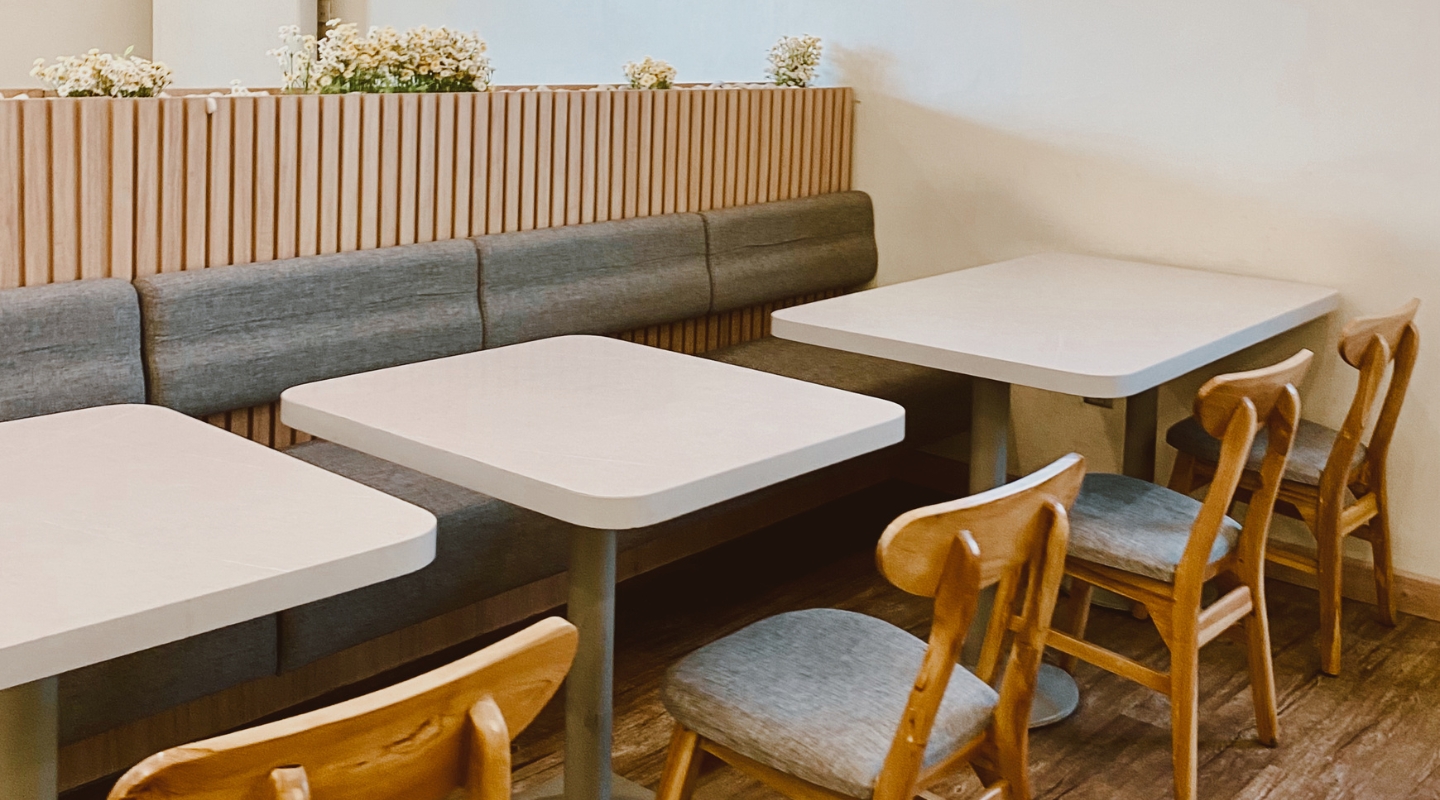
Furniture can help balance this by introducing elements that absorb or diffuse sound. For example, combining upholstered seating with wooden tables can create a more balanced acoustic environment.
Designing with acoustics in mind allows restaurants to maintain an open feel while still providing a comfortable sound level.
Material Combinations for Better Acoustics
A well-designed restaurant uses a mix of materials to achieve both aesthetic and acoustic goals. Relying too heavily on hard surfaces can lead to excessive noise, while too many soft materials may affect durability.
Combining materials such as wood, fabric, and composite surfaces creates a balanced environment. For instance, pairing cushioned seating with solid tables ensures both comfort and practicality.
When selecting commercial dining furniture, considering material combinations helps achieve a more harmonious dining experience.
Acoustic Zoning for Different Dining Experiences
Not all areas of a restaurant need to have the same noise level. Some guests may prefer a lively atmosphere, while others seek a quieter, more intimate setting.
Furniture can be used to create acoustic zones within a single space. For example, banquette seating along walls can provide quieter areas, while central tables may accommodate larger, more energetic groups.
This approach allows restaurants to cater to diverse customer preferences without requiring major structural changes.
The Impact of Table Spacing and Layout
Table spacing has a direct effect on noise levels. Closely packed tables can cause sound to overlap, making conversations difficult to follow.
Providing adequate spacing between tables helps reduce noise interference and improves overall comfort. It also enhances privacy, which is an important factor for many diners.
Thoughtful restaurant seatings solutions take these considerations into account, balancing capacity with customer experience.
Complementing Furniture with Soft Elements
While furniture plays a key role in acoustic design, it works best when combined with other soft elements such as curtains, rugs, and wall panels.
These additions further absorb sound and enhance the effectiveness of your furniture choices. Together, they create a more controlled and comfortable acoustic environment.
For restaurants aiming to improve acoustics, a holistic approach is often the most effective.
Common Acoustic Mistakes in Restaurant Design
Many restaurants face acoustic challenges due to common design mistakes.
Common Pitfalls
- Overuse of hard surfaces like glass and metal
- Lack of upholstered seating
- Poor table spacing and overcrowding
- Ignoring acoustic planning during design phase
- Excessive background music levels
Avoiding these issues can significantly improve the overall dining experience.
Practical Tips for Improving Acoustics
Improving restaurant acoustics does not always require major renovations. Small adjustments can make a noticeable difference.
Practical Solutions
- Introduce upholstered chairs or banquette seating
- Adjust table spacing to reduce noise overlap
- Rearrange furniture to create smaller zones
- Use decorative elements that also absorb sound
- Monitor and control background music volume
These steps can enhance both comfort and functionality.
Future Trends in Acoustic Restaurant Design
As customer expectations continue to evolve, acoustic comfort is becoming a key differentiator in the F&B industry. Restaurants are increasingly prioritising sound management as part of their overall design strategy.
Innovations in materials and furniture design are making it easier to integrate acoustic solutions without compromising aesthetics. Modular seating and multi-functional furniture are also gaining popularity for their flexibility.
For businesses investing in banquette furniture and other seating solutions, staying ahead of these trends can provide a competitive edge.
Frequently Asked Questions (FAQs)
1. Why is my restaurant so noisy?
Noise is often caused by hard surfaces, poor layout, and lack of sound-absorbing materials.
2. How can furniture help reduce noise?
Soft materials and strategic placement can absorb and diffuse sound, improving acoustics.
3. Is banquette seating good for acoustics?
Yes, it helps absorb sound and creates quieter zones within the space.
4. Do I need professional acoustic treatment?
Not always—many improvements can be achieved through furniture and layout adjustments.
Conclusion
Acoustic design is an essential yet often overlooked aspect of restaurant planning in Singapore. By carefully selecting commercial dining furniture, implementing effective restaurant seatings solutions, and incorporating banquette furniture, businesses can significantly improve sound quality within their spaces.
Thoughtful furniture choices not only enhance acoustics but also contribute to overall comfort and customer satisfaction. With the right approach, restaurants can create environments that are not only visually appealing but also acoustically balanced—ensuring a more enjoyable dining experience for every guest.