

Peranakan & Straits Chinese Heritage Cafe Furniture: Authentic Design for Singapore’s Cultural F&B Scene
Singapore’s rich cultural identity is deeply rooted in its Peranakan and Straits Chinese heritage. In recent years, this heritage has found renewed expression in the F&B scene, where cafés and restaurants are increasingly embracing nostalgic design elements to create meaningful and memorable dining experiences.
For business owners exploring custom restaurant furniture, selecting the right cafe furniture, and working with a trusted kopitiam furniture supplier, designing a Peranakan-inspired space requires more than decorative choices. It demands a thoughtful integration of history, craftsmanship, and modern functionality.
This guide explores how to translate Peranakan heritage into furniture design that feels authentic, relevant, and commercially viable in today’s Singapore dining landscape.
Understanding Peranakan Design Philosophy
Peranakan culture is known for its vibrant aesthetics, intricate detailing, and strong emphasis on craftsmanship. Unlike minimalist styles, this design language celebrates richness—layered textures, bold colours, and ornamental patterns.
Furniture within this tradition often reflects a blend of Chinese, Malay, and colonial influences. The result is a distinctive visual identity that is both elegant and expressive.
For café owners, embracing this philosophy means moving beyond surface-level decoration and incorporating design elements that tell a story.
Key Characteristics of Peranakan Furniture
Peranakan-inspired furniture is instantly recognisable due to its unique combination of form and ornamentation. While modern adaptations may simplify certain elements, the essence remains rooted in traditional craftsmanship.
Signature Features
- Intricately carved wooden details
- Use of dark, polished hardwoods
- Decorative tiles and inlays
- Curved edges and ornamental legs
- Vibrant upholstery or patterned accents
These features can be selectively incorporated into cafe furniture Singapore to create a cohesive yet practical design.
Balancing Heritage with Modern Functionality
While authenticity is important, café furniture must still meet the demands of daily operations. This includes durability, comfort, and ease of maintenance.
Modern interpretations of Peranakan furniture often simplify intricate details while retaining key visual elements. For example, carved patterns may be adapted into subtle engravings, or traditional materials may be paired with more durable finishes.
For businesses investing in custom restaurant furniture Singapore, this balance ensures that heritage design does not compromise usability.
Material Selection for Authentic Appeal
Materials play a significant role in achieving an authentic Peranakan aesthetic. Solid wood remains a preferred choice due to its durability and timeless appeal.
However, modern materials can also be incorporated to enhance performance. Engineered wood, metal reinforcements, and stain-resistant finishes can improve longevity while maintaining the desired look.
Working with an experienced kopitiam furniture supplier allows you to explore material combinations that suit both design and operational needs.
Colour Palettes Inspired by Peranakan Culture
Colour is one of the most distinctive aspects of Peranakan design. Bright, contrasting hues are often used to create a lively and welcoming atmosphere.
Common colour combinations include pastel blues, greens, pinks, and yellows, often paired with darker wood tones. These palettes can be applied to furniture, upholstery, and decorative elements to create a cohesive visual identity.
When used thoughtfully, colour enhances the cultural authenticity of your space without overwhelming the overall design.
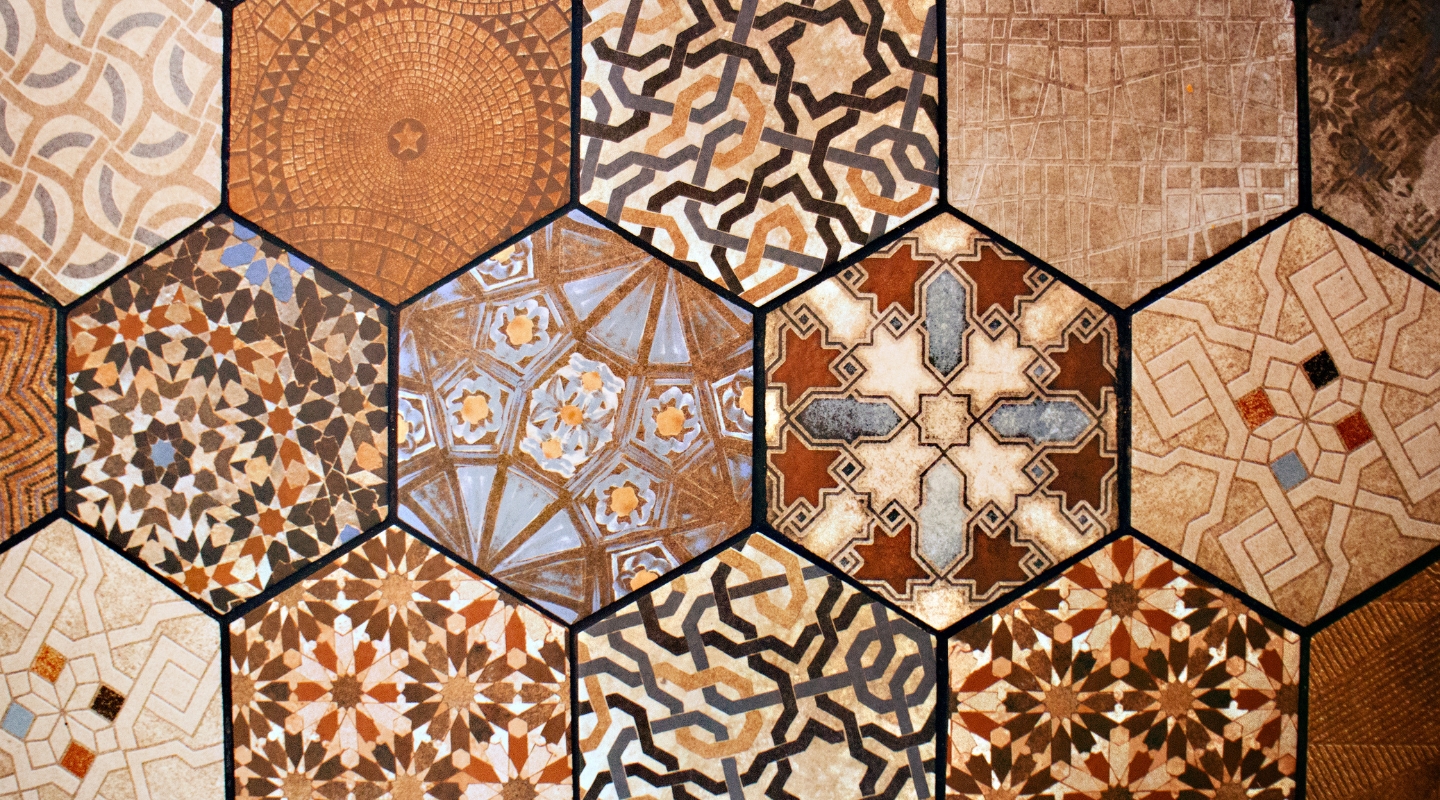
Integrating Tiles and Decorative Elements
Peranakan tiles are iconic and widely associated with heritage architecture in Singapore. Incorporating these tiles into furniture design adds a strong cultural reference.
Tabletops, bar counters, and even chair backs can feature tile accents, creating a unique focal point within the space. These elements work particularly well in cafés that aim to create an Instagram-worthy environment.
For operators sourcing cafe furniture, integrating such details can elevate the overall design.
Space Planning for Heritage Cafés
Heritage-inspired cafés often aim to recreate a sense of intimacy and nostalgia. Furniture layout plays a key role in achieving this atmosphere.
Instead of large, open spaces, consider smaller seating clusters that encourage conversation and connection. Mixing different furniture styles—such as benches, chairs, and communal tables—adds visual interest and flexibility.
Thoughtful space planning ensures that the design feels authentic while remaining practical for daily operations.
Creating a Story Through Furniture
One of the most powerful aspects of Peranakan design is its storytelling potential. Each piece of furniture can contribute to a narrative that reflects cultural heritage.
For example, a carved wooden chair may reference traditional craftsmanship, while a tiled table may evoke memories of heritage homes. Together, these elements create an immersive experience for customers.
Businesses investing in custom restaurant furniture can use this approach to differentiate themselves in a competitive market.
Maintenance Considerations for Heritage Designs
While heritage-inspired furniture is visually appealing, it may require additional care to maintain its condition. Intricate details and decorative elements can be more challenging to clean.
Choosing finishes that مقاوم to stains and wear can help simplify maintenance. Regular cleaning and proper handling ensure that furniture retains its appearance over time.
Balancing aesthetics with practicality is key to long-term success.
Modern Interpretations of Peranakan Style
Contemporary cafés are increasingly blending traditional Peranakan elements with modern design principles. This fusion creates a fresh and unique aesthetic that appeals to a broader audience.
Minimalist forms combined with heritage accents allow for a more subtle interpretation of the style. This approach works well for businesses that want to incorporate cultural elements without fully committing to a traditional look.
Collaborating with a knowledgeable kopitiam furniture supplier can help you achieve this balance effectively.
Common Mistakes to Avoid
When designing a Peranakan-inspired café, certain mistakes can detract from authenticity.
Common Pitfalls
- Overloading the space with too many decorative elements
- Using low-quality materials that mimic traditional designs
- Ignoring comfort and functionality
- Inconsistent colour schemes or mismatched styles
Avoiding these issues ensures a more cohesive and professional outcome.
Future Trends in Heritage-Inspired F&B Design
As Singapore continues to celebrate its cultural identity, heritage-inspired F&B concepts are expected to grow in popularity. However, the approach is evolving toward more refined and contemporary interpretations.
Sustainability, craftsmanship, and storytelling will play increasingly important roles in shaping these designs. Furniture that combines tradition with innovation will be highly valued.
For businesses investing in cafe furniture Singapore, staying ahead of these trends can provide a competitive advantage.
Frequently Asked Questions (FAQs)
1. What defines Peranakan furniture design?
It is characterised by intricate craftsmanship, vibrant colours, and a blend of cultural influences.
2. Can Peranakan design work in modern cafés?
Yes, modern interpretations allow for a balance between heritage and contemporary aesthetics.
3. Is custom furniture necessary for this style?
Custom furniture helps achieve authenticity and ensures that design elements align with your concept.
4. How do I maintain heritage-style furniture?
Regular cleaning and protective finishes help preserve both appearance and durability.
Conclusion
Peranakan and Straits Chinese heritage offer a rich source of inspiration for café design in Singapore. By thoughtfully incorporating traditional elements into modern furniture, businesses can create spaces that are both visually striking and culturally meaningful.
Whether you are exploring custom restaurant furniture, selecting the right cafe furniture, or working with a trusted kopitiam furniture supplier, the key lies in balancing authenticity with practicality. With the right approach, your café can become a unique destination that celebrates Singapore’s heritage while meeting the demands of today’s F&B industry.