

Easy-Clean Furniture Solutions for Singapore Restaurants: Best Materials for High-Volume Sanitation Environments
In Singapore’s fast-paced F&B industry, hygiene is not optional — it is a daily operational priority. Restaurants, cafés, food courts, and hotels must maintain high sanitation standards while handling heavy customer turnover. Choosing the right easy clean restaurant furniture is therefore a strategic investment, not just a design decision.
From material selection to surface finishing, the type of commercial grade restaurant furniture you install directly impacts cleaning efficiency, maintenance costs, and long-term durability. This guide explores the best materials and practical considerations for high-volume sanitation environments in Singapore.
Why Easy-Clean Furniture Matters in Singapore’s F&B Scene
Singapore enforces strict food hygiene and cleanliness standards. Beyond regulatory compliance, customer expectations are high. Visible cleanliness influences brand perception and customer trust.
High-traffic venues typically face:
Continuous table turnover
Frequent sanitisation cycles
Spillage from food and beverages
Humid climate conditions
Furniture that absorbs stains, traps dirt, or deteriorates under disinfectants quickly becomes a liability.
Key Characteristics of Easy-Clean Commercial Furniture
Before choosing materials, restaurant owners should look for these essential qualities:
Non-porous surfaces
Stain resistance
Water resistance
Chemical resistance
Minimal crevices
Durable finishes
Commercial furniture must withstand daily wiping, disinfecting, and exposure to cleaning agents without warping or fading.
Best Table Top Materials for Easy Cleaning
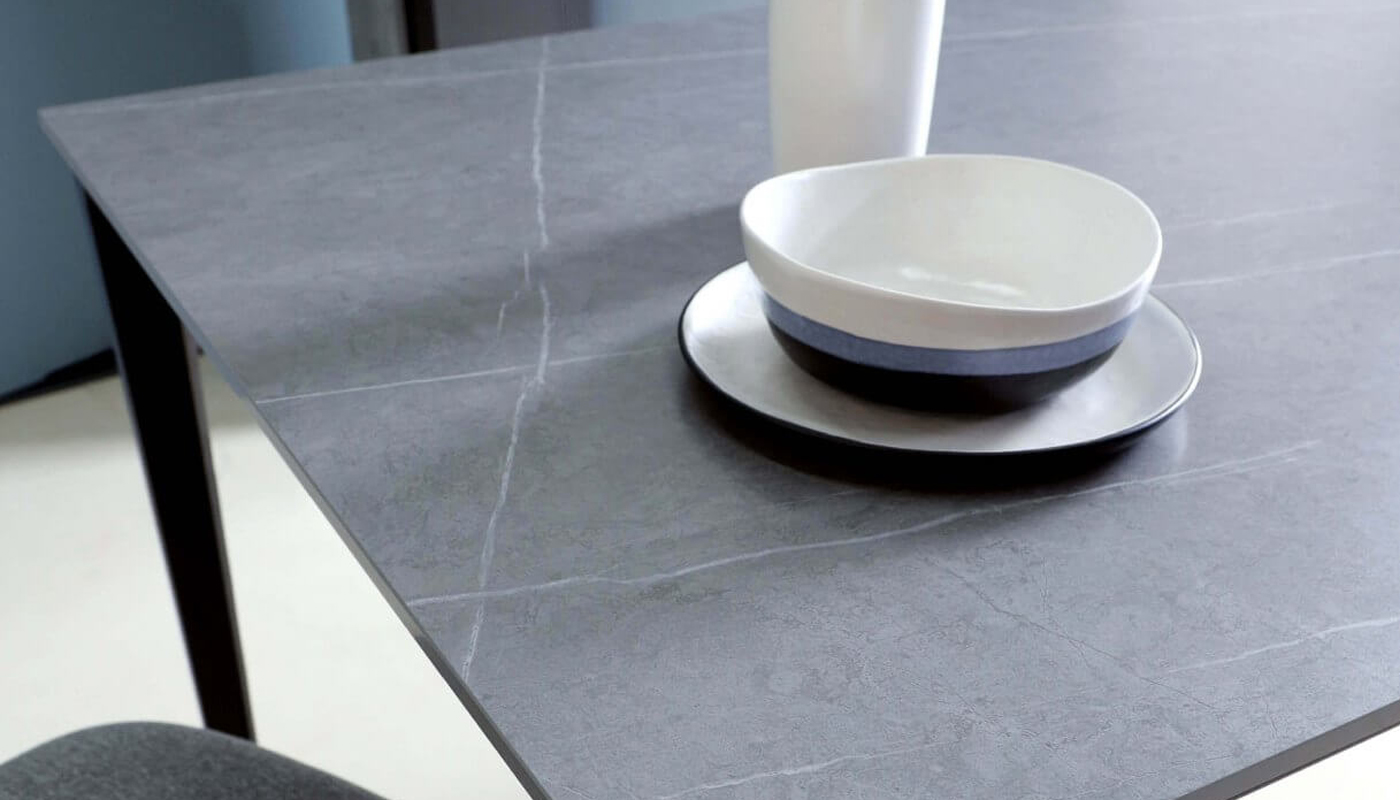
1. Sintered Stone
Sintered stone is increasingly popular in Singapore restaurants due to its durability and hygiene benefits.
Advantages:
Non-porous surface
Heat resistant
Scratch resistant
Highly stain resistant
Spills such as coffee, curry, or sauces can be wiped off easily without leaving marks.
2. High-Pressure Laminate (HPL)
Laminate surfaces offer a cost-effective solution for high-volume outlets.
Advantages:
Easy to wipe clean
Affordable
Available in multiple finishes
Resistant to mild impact
Laminate is commonly used in food courts and casual dining environments.
3. Quartz
Quartz offers premium aesthetics while maintaining easy-clean performance.
Advantages:
Non-porous
Resistant to bacteria growth
Elegant appearance
Long lifespan
For mid- to high-end restaurants, quartz balances hygiene and design appeal.
Chair Materials That Simplify Cleaning
1. Polypropylene (Plastic) Chairs
Plastic chairs are highly practical in high-traffic environments.
Advantages:
Waterproof
Lightweight
Quick wipe-down cleaning
Resistant to disinfectants
They are widely used in hawker centres and food courts.
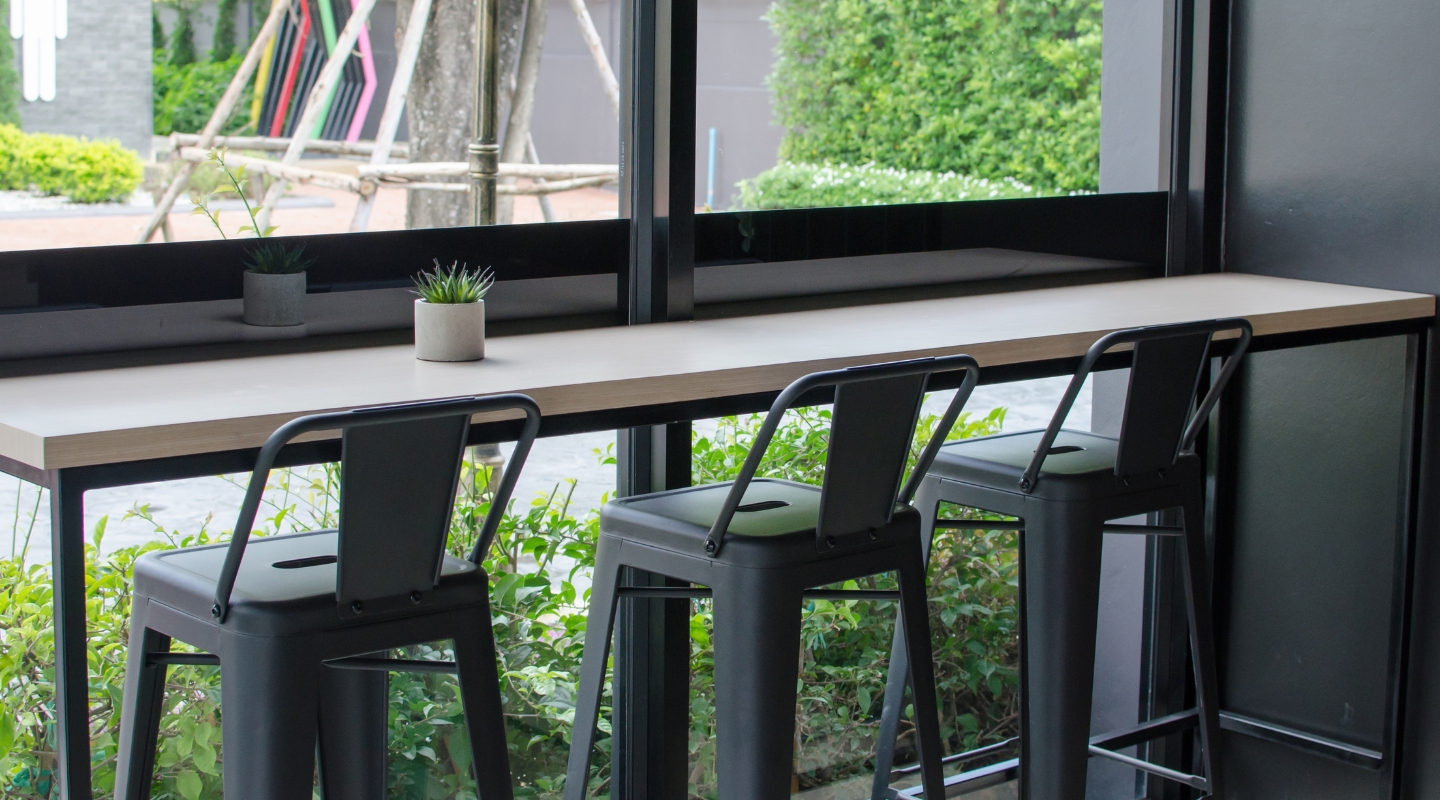
2. Metal Frame Chairs
Powder-coated steel or aluminium chairs are durable and easy to maintain.
Advantages:
Rust resistance
Strong structural support
Smooth surfaces for cleaning
3. Vinyl Upholstery
For restaurants requiring upholstered seating, vinyl is a preferred material.
Advantages:
Stain resistant
Water resistant
Easy to disinfect
More durable than fabric
Fabric upholstery, while comfortable, can absorb spills and require deeper cleaning processes.
Avoid These Materials in High-Sanitation Settings
Certain materials may look appealing but are not ideal for heavy-duty cleaning environments.
Avoid:
Unsealed solid wood table tops
Fabric upholstery in fast-casual settings
Intricate carved surfaces
Porous stone without sealing
Complex chair designs with deep crevices
These materials increase cleaning time and may harbour bacteria if not properly maintained.
The Role of Commercial-Grade Construction
Not all furniture marketed as “easy clean” is suitable for commercial use. True commercial grade restaurant furniture is built to endure:
Daily disinfectant exposure
Heavy load capacity
Frequent movement
Constant cleaning cycles
Professional suppliers such as Rasa Bloom provide solutions specifically designed for Singapore’s F&B environment, ensuring materials and construction meet commercial standards.
Hygiene-Friendly Design Features to Look For
Beyond materials, design details also impact sanitation efficiency.
Look for:
Seamless edges
Rounded corners
Minimal joint gaps
Flush-mounted screws
Smooth finishes
Furniture with fewer grooves reduces dirt accumulation and shortens cleaning time.
Outdoor Dining and Easy Maintenance
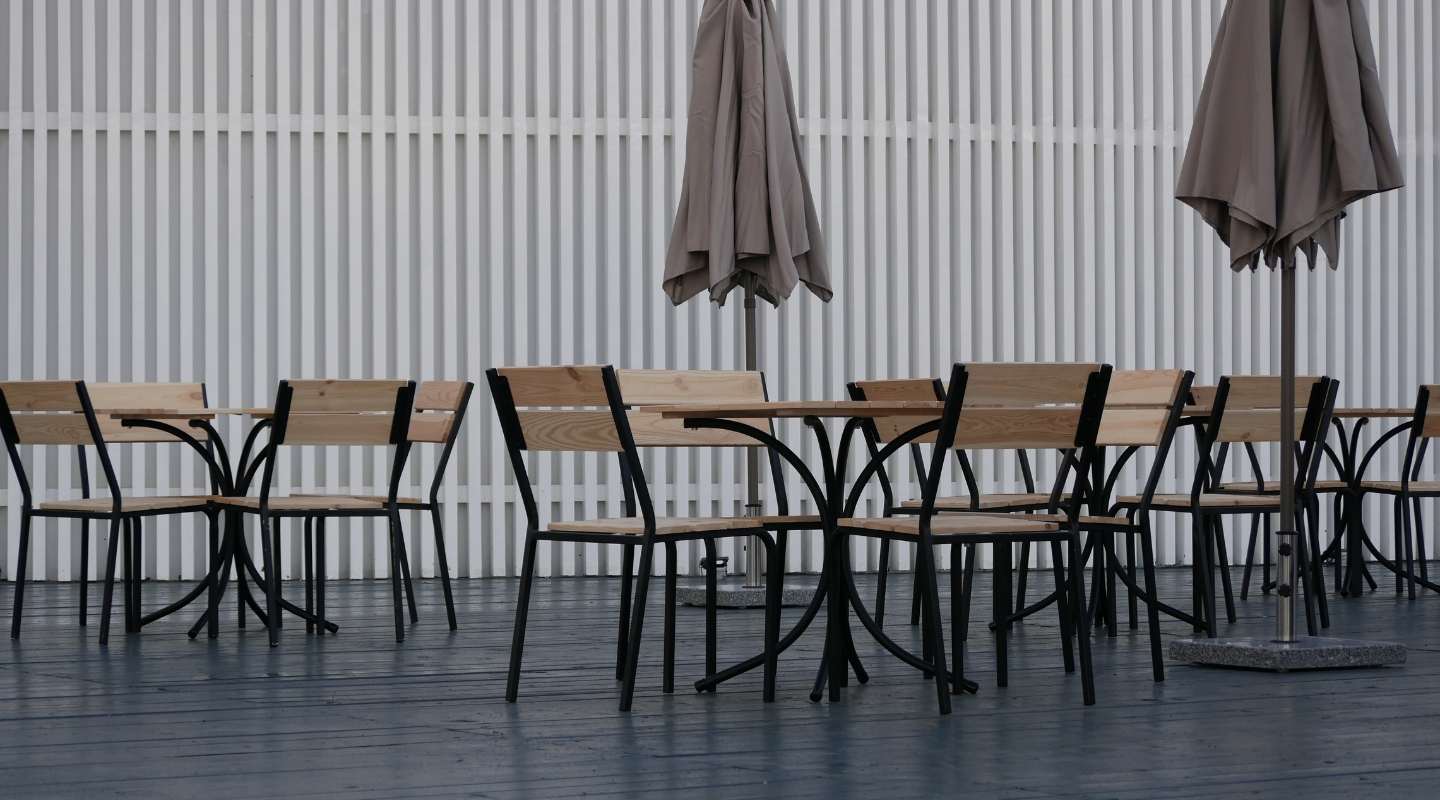
Outdoor dining areas in Singapore require additional considerations due to humidity and rain.
Recommended materials:
Aluminium frames
Synthetic rattan
Powder-coated steel
Weather-resistant laminates
Outdoor furniture must resist mould growth and corrosion while remaining easy to sanitise.
Operational Benefits of Easy-Clean Furniture
Investing in easy-clean furniture improves operational efficiency.
Faster Table Turnover
Quick wipe-down surfaces reduce waiting times between guests.
Lower Labour Costs
Less time spent scrubbing means better staff productivity.
Reduced Replacement Frequency
Durable materials withstand frequent cleaning without deteriorating.
Stronger Brand Perception
Visible cleanliness enhances customer confidence.
In competitive F&B markets like Singapore, operational efficiency directly impacts profitability.
Maintenance Best Practices for Long-Term Durability
Even the best materials require proper care.
Daily:
Wipe surfaces with mild detergent
Remove spills immediately
Weekly:
Inspect for surface damage
Tighten loose screws
Monthly:
Check frame stability
Reapply sealants if required
Routine inspection prevents small issues from becoming costly repairs.
Balancing Aesthetics with Practicality
Some restaurant owners worry that easy-clean materials may appear too industrial. However, modern manufacturing offers stylish finishes that do not compromise hygiene.
Examples:
Wood-look laminates
Stone-textured sintered surfaces
Matte powder-coated frames
Neutral vinyl upholstery
Restaurants can achieve premium design while maintaining sanitation efficiency.
Cost Considerations
While commercial-grade materials may have higher upfront costs, they reduce long-term expenses.
Consider:
Cleaning labour savings
Lower replacement frequency
Reduced downtime
Fewer maintenance repairs
Choosing durable easy clean restaurant furniture is often more cost-effective over several years.
Who Benefits Most from Easy-Clean Solutions?
These solutions are especially important for:
Food courts
Fast-casual restaurants
Hawker centres
School canteens
Hotel buffets
High-turnover cafés
Any environment with continuous guest flow benefits from sanitation-friendly furniture design.
Final Thoughts
Cleanliness is one of the strongest signals of professionalism in Singapore’s F&B industry. Investing in easy-clean furniture materials is not simply about compliance — it is about operational efficiency, brand reputation, and long-term cost control.
By selecting durable surfaces, hygiene-friendly designs, and true commercial grade restaurant furniture, restaurant operators can maintain high sanitation standards without increasing workload.
Partnering with experienced suppliers like Rasa Bloom ensures your furniture choices align with Singapore’s climate, cleaning practices, and commercial demands.
Frequently Asked Questions
1. What is the best table material for easy cleaning in restaurants?
Sintered stone, laminate, and quartz are popular options because they are non-porous and stain resistant.
2. Is vinyl better than fabric for restaurant chairs?
Yes. Vinyl is water resistant and easier to disinfect, making it more suitable for high-volume environments.
3. How often should restaurant furniture be inspected?
Basic inspections should be done weekly, with deeper checks monthly to ensure safety and durability.
4. Where can I source easy-clean commercial furniture in Singapore?
You can explore professional-grade options at Rasa Bloom for durable and sanitation-friendly solutions.