

Stain Removal Guide for Restaurant Furniture Surfaces Singapore
In the fast-paced Singapore F&B industry, maintaining spotless furniture is essential to creating a hygienic and welcoming dining environment. Whether it’s coffee spills, grease marks, or sauce stains, restaurant furniture faces daily exposure to potential damage. A single visible stain can affect customers’ perception of cleanliness — and by extension, your brand reputation.
That’s why every restaurant, café, and food court should implement a clear stain removal and cleaning protocol. This guide provides professional cleaning methods and practical solutions tailored for easy clean furniture and commercial dining furniture in Singapore’s humid, tropical conditions.
Why Stain Management Matters in Restaurants
Restaurant furniture endures heavy usage and constant exposure to food, drinks, and cleaning agents. Ignoring stains doesn’t just make your furniture look unappealing — it can cause long-term material damage or bacterial buildup.
Here’s why stain control is critical:
Preserves furniture lifespan: Prevents discoloration, corrosion, or material breakdown.
Improves hygiene: Reduces risk of contamination and unpleasant odours.
Enhances customer satisfaction: Clean surfaces reflect professionalism and quality service.
Reduces maintenance costs: Prevents expensive replacements due to permanent damage.
With the right cleaning techniques and a consistent maintenance plan, you can keep every surface — from wooden tabletops to upholstered banquettes — looking like new.
Common Stain Sources in Restaurant Settings
To effectively clean, it helps to first identify where most stains originate. In Singapore’s vibrant dining scene, common culprits include:
Food spills: Curry, sauces, soup bases, or oil splatters.
Beverage stains: Coffee, tea, wine, and fruit juices.
Condiments: Soy sauce, chili oil, and ketchup can leave dark, stubborn marks.
Grease and body oils: Transferred from hands, skin, or utensils.
Environmental residue: Dust, humidity, or outdoor pollution.
These stain sources are especially challenging on commercial dining furniture used both indoors and outdoors, where moisture and temperature accelerate staining.
Understanding Different Furniture Surface Types
Each material reacts differently to stains and cleaning agents. Using the wrong cleaning method may worsen the damage. Here’s a quick breakdown of common restaurant furniture materials and how to handle stains on each.
| Surface Material | Common Usage | Cleaning Method | Avoid |
|---|---|---|---|
| Laminate | Tabletops, counters | Wipe with mild detergent and water | Abrasive sponges |
| Wood (varnished) | Dining tables, chairs | Clean gently with wood cleaner | Soaking with water |
| Metal (stainless steel/aluminium) | Frames, bar stools | Use mild degreaser or vinegar solution | Harsh chemicals or salt water |
| Upholstery (fabric, PU, vinyl) | Banquette seating, chairs | Spot-clean with fabric-safe cleaner | Excessive scrubbing |
| Glass | Tabletops, partitions | Use glass cleaner or vinegar-water mix | Paper towels (leave lint) |
At Rasa Bloom, many of our easy clean restaurant furniture collections feature laminate, PU leather, and powder-coated metals — materials designed for quick stain removal and tropical durability.
Step-by-Step Stain Removal Process
Here’s a universal cleaning framework to remove most types of stains effectively and safely.
Step 1: Identify the Stain Type
Different stains require different approaches. Check whether it’s water-based (coffee, juice), oil-based (gravy, butter), or pigment-based (soy sauce, ketchup).
Step 2: Blot, Don’t Rub
Immediately blot the stain using a dry cloth or paper towel. Rubbing spreads the stain and forces it deeper into the surface.
Step 3: Choose the Right Cleaner
Mild Soap Solution: Ideal for most surfaces and general cleaning.
White Vinegar Solution (1:1): Removes coffee, tea, and water stains.
Baking Soda Paste: Works for stubborn grease or sauce stains.
Alcohol Wipes: Effective for ink or oil marks on metal or PU leather.
Step 4: Test Before Full Application
Always test the cleaner on a hidden area to ensure it won’t damage finishes or colour.
Step 5: Clean Gently in Circular Motion
Use a microfiber cloth to apply gentle pressure, cleaning outward from the centre of the stain.
Step 6: Rinse and Dry Thoroughly
After cleaning, wipe off any residue with clean water and let the surface air-dry completely to prevent moisture damage.
Stain Removal by Material Type
1. Laminate and Composite Tabletops
Laminate tables are popular in commercial dining furniture establishments due to their smooth, non-porous surface.
To Clean:
Wipe daily with warm, soapy water.
For stubborn stains, apply baking soda paste for 5–10 minutes, then wipe.
Avoid sharp tools or abrasive pads to prevent surface scratching.
Pro Tip: Use table mats to reduce direct contact with hot cookware and sauces.
2. Wooden Tables and Chairs
Wood adds warmth and elegance but is vulnerable to water and heat stains.
To Clean:
Wipe spills immediately with a dry cloth.
For white rings (from condensation), apply petroleum jelly overnight and buff the next day.
For grease stains, mix mild dish soap with warm water and gently rub using a soft sponge.
Avoid:
Soaking or using vinegar directly—it may strip protective varnish.
Rasa Bloom’s restaurant tables and chairs are finished with moisture-resistant coatings, making them easier to maintain even in humid Singapore conditions.
3. Metal Furniture (Steel, Aluminium)
Common in modern cafés and outdoor areas, metal furniture is sturdy but prone to rust if neglected.
To Clean:
Mix vinegar with water (1:1 ratio) for removing rust or stains.
Dry thoroughly after cleaning.
Apply a thin coat of metal polish or rust inhibitor every few months.
Avoid:
Using steel wool or harsh bleach products that scratch or corrode surfaces.
4. Upholstered Seating (Fabric, PU, Vinyl)
Upholstered furniture like banquettes and lounge chairs add comfort but easily absorb stains.
To Clean Fabric Upholstery:
Vacuum crumbs and debris first.
Use upholstery cleaner or diluted detergent solution.
Blot and air-dry — do not soak.
To Clean PU or Vinyl Upholstery:
Wipe daily with mild soap water.
Remove oil stains with diluted rubbing alcohol.
Condition monthly using vinyl protectant to prevent cracking.
Easy clean restaurant furniture with PU upholstery offers the best stain resistance for high-traffic areas such as cafés and casual dining outlets.
5. Glass Tabletops and Partitions
Glass surfaces attract fingerprints and water stains but are among the easiest to clean.
To Clean:
Spray with glass cleaner or vinegar-water mix.
Wipe in circular motion using a microfiber cloth.
Polish dry to prevent streaks.
Avoid:
Paper towels—they leave lint and streak marks.
Common Stain Types and How to Treat Them
| Stain Type | Effective Cleaning Solution | Recommended Tool |
|---|---|---|
| Grease / Oil | Dish soap + warm water | Microfiber cloth |
| Coffee / Tea | Vinegar-water (1:1) | Soft sponge |
| Wine / Juice | Baking soda + cold water | Damp cloth |
| Soy Sauce / Curry | Mild detergent + lemon juice | Soft brush |
| Ink Marks | Isopropyl alcohol | Cotton ball |
| Mould / Mildew | 1 part vinegar + 3 parts water | Soft cloth, air-dry thoroughly |
Consistent spot-cleaning prevents deep stains from setting, especially on commercial dining furniture frequently exposed to spills.
Preventing Future Stains
An ounce of prevention goes a long way when it comes to restaurant furniture maintenance. Here are a few best practices:
Apply protective coatings: Use sealants or protective sprays suitable for wood, metal, and fabric.
Train your staff: Educate cleaning crews on correct cleaning methods and chemical usage.
Use placemats and coasters: They prevent sauce or drink spills from reaching the furniture surface.
Maintain a cleaning schedule: Implement daily, weekly, and monthly cleaning cycles.
Cover furniture when closed: Protects surfaces from dust and accidental spills after hours.
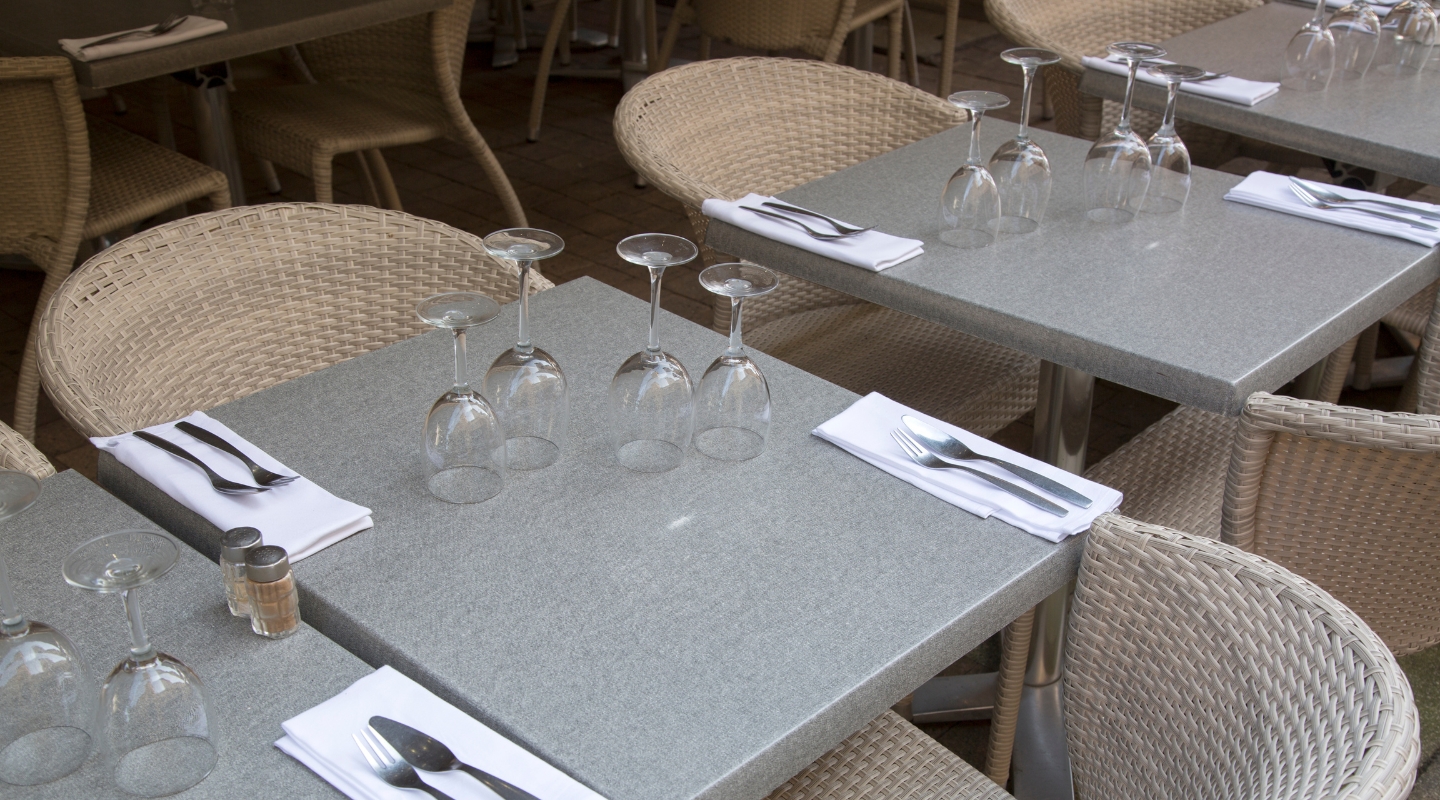
Choosing Easy-Clean Furniture for Singapore Restaurants
For long-term stain resistance and low maintenance, choosing the right furniture materials is key.
Rasa Bloom’s easy clean restaurant furniture is specifically designed for Singapore’s busy F&B environment — resistant to stains, moisture, and corrosion.
Key Features:
Non-porous surfaces that repel liquids and grease.
Stain-resistant laminate and PU finishes.
Commercial-grade durability tested for high-traffic usage.
Easy-to-clean metal frames with powder coating.
Customisable designs for indoor and outdoor use.
By investing in stain-resistant materials, restaurants can minimise downtime and cleaning effort while maintaining top hygiene standards.
Frequently Asked Questions
1. What’s the fastest way to remove fresh stains?
Blot immediately with a clean, dry cloth before the stain sets. Follow with mild soap and water — never rub harshly.
2. Can vinegar be used on all surfaces?
No. Avoid using vinegar on varnished wood or marble, as it can dull the surface. Use it safely on metal, glass, and laminate instead.
3. How often should deep cleaning be done?
For high-traffic restaurants, deep clean furniture at least once every 3–4 months. For outdoor or open-air setups, monthly maintenance is ideal.
4. What makes Rasa Bloom’s furniture easier to clean?
Rasa Bloom’s commercial furniture uses stain-resistant materials such as laminated wood, PU leather, and coated metals — built for Singapore’s humid, fast-paced dining environment.
Final Thoughts
Effective stain management isn’t just about cleaning — it’s about protecting your investment and preserving your brand’s image. With proper techniques and the right materials, your restaurant can maintain spotless, durable furniture year after year.
Choosing easy clean restaurant furniture from Rasa Bloom ensures you’re not just buying seating — you’re investing in long-term quality, convenience, and professional presentation for your dining space.