

Wood Restaurant Furniture Care Singapore Humidity Guide
Singapore’s tropical climate—with its high humidity, sudden downpours, and constant warmth—creates a challenging environment for wooden furniture. For restaurants and cafés, this means wooden tables and chairs require special care to maintain their natural beauty and durability.
In this guide, we’ll explore how humidity affects wooden furniture, the best cleaning and maintenance practices, and how to select durable café chairs and tables designed to withstand Singapore’s weather conditions. Whether you’re managing a fine dining establishment or a cozy café, this guide will help you preserve your investment for the long term.
Why Humidity Matters for Wooden Furniture
Singapore’s average humidity ranges between 70% and 90%, which can cause natural wood to expand, contract, or even warp over time. Without proper care, the effects of humidity can quickly degrade the quality and appearance of your furniture.
Common Problems Caused by Humidity
Warping: When moisture penetrates the wood unevenly, surfaces can twist or bend.
Cracking: Dry indoor air (from air-conditioning) followed by humid outdoor exposure causes sudden moisture changes, leading to splits.
Mold & Mildew Growth: Moist, unventilated areas become breeding grounds for mold, especially under tables or seat joints.
Loose Joints: Expansion and contraction weaken glue or screw joints over time.
Fading Finish: Excessive moisture can dull or discolor protective coatings.
Humidity control isn’t just about aesthetics—it’s about preserving structural integrity. That’s why Rasa Bloom, a leading F&B furniture supplier in Singapore, emphasizes humidity-resistant finishes and construction techniques in their restaurant tables and chairs.
Choosing the Right Type of Wood for Singapore’s Climate
Not all woods perform equally in humid environments. Understanding which materials to use is the first step toward low-maintenance durability.
Best Woods for Humidity Resistance
Teak: Naturally rich in oils that resist moisture, mold, and pests. Perfect for indoor and outdoor use.
Acacia: Dense and water-resistant with a beautiful natural grain.
Oak: Strong and stable, though best used indoors with protective finish.
Beech or Ash: Ideal for chairs due to their flexibility and resilience.
Treated vs. Untreated Wood
Always opt for treated or kiln-dried wood when buying restaurant furniture. Kiln-drying removes excess moisture, reducing the likelihood of swelling or cracking when exposed to Singapore’s humidity.
Many durable café chairs from Rasa Bloom are crafted using pre-treated hardwood, ensuring long-term stability and reduced maintenance needs.
Daily Cleaning Routine for Wooden Restaurant Furniture
Establishing a simple yet consistent cleaning routine can significantly extend the life of your wooden furniture.
Daily Routine (Quick Clean)
Step 1: Wipe surfaces using a soft, slightly damp microfiber cloth to remove dust and spills.
Step 2: Immediately dry the surface with a clean cloth to avoid moisture absorption.
Step 3: Use coasters or placemats during service hours to prevent water rings or heat marks.
Weekly Routine (Maintenance Clean)
Mix mild soap with warm water (never harsh chemicals).
Wipe gently along the wood grain.
Dry immediately with a lint-free cloth.
Apply a thin layer of beeswax or furniture polish to protect the finish.
By maintaining this simple cleaning protocol, you prevent moisture buildup and surface dullness while keeping your restaurant tables and chairs looking fresh.
Seasonal Deep Cleaning and Conditioning
Even with daily cleaning, Singapore’s humidity can still cause gradual buildup of residue and microscopic moisture in wood pores. Deep cleaning every few months restores balance and sheen.
Deep Cleaning Steps
Dust thoroughly to remove surface dirt.
Use a gentle wood cleaner or vinegar-water mix (1:10 ratio) to remove stains.
Rinse with a damp cloth, then dry completely.
Condition the wood using specialized wood oil or polish to replenish natural oils and seal pores.
Recommended Frequency
Indoor furniture: Every 2–3 months
Semi-outdoor furniture: Every 4–6 weeks
Furniture oils like teak oil or linseed oil provide moisture resistance and enhance grain richness. Rasa Bloom’s wooden furniture lines are compatible with standard wood conditioners, making upkeep hassle-free.
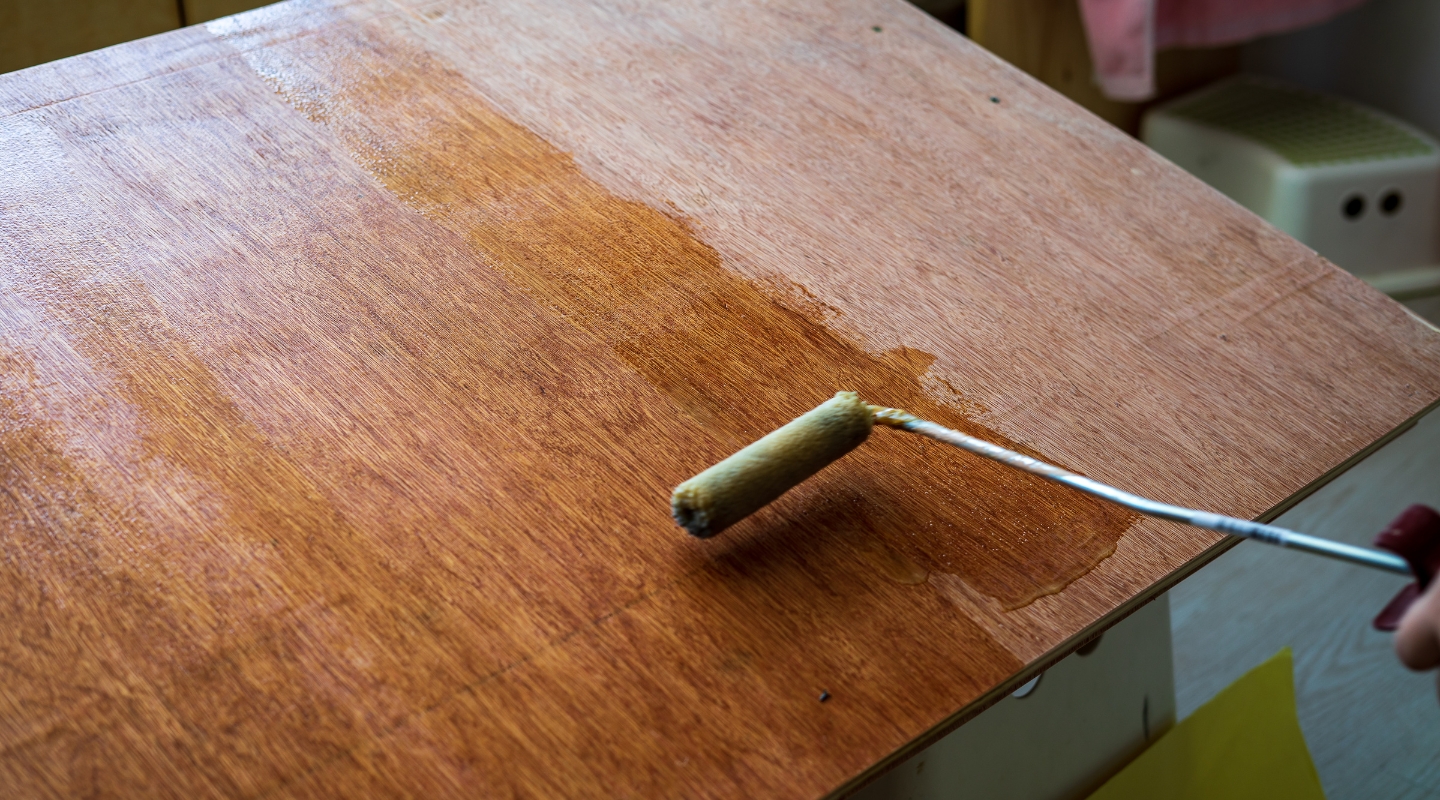
Protective Coatings and Finishes for Humid Climates
Wood finishes play a crucial role in protecting against moisture and heat. When selecting or maintaining wooden furniture in Singapore, ensure the coating suits the intended environment.
Common Finishes and Their Benefits
| Finish Type | Moisture Resistance | Ideal Use |
|---|---|---|
| Polyurethane | Excellent | Indoor dining areas |
| Oil-based varnish | Good | Café interiors and semi-outdoor |
| Teak oil | Natural protection | Outdoor decks, open-air restaurants |
| Wax coating | Moderate | Quick monthly touch-ups |
To maintain effectiveness, reapply protective coatings at least every six months or when surfaces start to lose shine.
Rasa Bloom’s restaurant tables and chairs in Singapore often come pre-sealed with UV- and moisture-resistant coatings—ideal for long-lasting commercial use.
Preventing Mold and Mildew on Wooden Furniture
Humidity and spills create perfect conditions for mold growth, particularly in joints and under tabletops.
Prevention Tips
Keep furniture away from damp walls or corners.
Use dehumidifiers in air-conditioned areas.
Ensure proper ventilation in storage or dining spaces.
Wipe spills immediately—never let liquids sit.
Once a week, spray diluted vinegar (1:3 with water) on hidden areas to discourage mold.
If mold does appear, gently scrub affected areas with a mixture of baking soda and vinegar, then dry thoroughly.
Placement and Storage Strategies in Humid Environments
Strategic furniture placement can make a big difference in humidity exposure.
Avoid direct air-conditioner airflow: Rapid drying can crack wood.
Don’t place near open windows: Rain splashes or condensation can soak surfaces.
Elevate furniture slightly: Improves airflow underneath.
Use furniture pads: Prevents moisture absorption from wet floors.
Cover during off-hours: Breathable covers protect against dust and air moisture.
Cafés with semi-outdoor setups can benefit from Rasa Bloom’s durable café chairs, designed for easy movement and covered storage when not in use.
How to Handle Common Humidity-Related Issues
Even with preventive care, occasional damage may occur. Here’s how to handle it effectively.
Warped Furniture:
Place the warped side facing down under a flat, weighted surface in a dry area for 1–2 days.
Sticky Surfaces:
Caused by heat and moisture breaking down finish. Clean with mild soap and reapply polish.
Loose Joints:
Apply wood-safe adhesive and clamp overnight.
White Rings or Watermarks:
Rub gently with non-gel toothpaste or baking soda paste; buff with furniture wax.
Regular inspections and timely fixes can prevent minor issues from turning into expensive repairs.
Investing in Durable Café Chairs and Tables
While maintenance is vital, the right product choice makes the biggest difference.
When buying durable café chairs in Singapore, consider:
Material quality: Hardwoods like teak or acacia are ideal.
Joinery: Mortise-and-tenon or dowel joints are stronger than screws.
Protective finishing: Look for water- and UV-resistant coatings.
Design practicality: Choose easy-to-clean surfaces and minimal crevices.
Rasa Bloom offers a curated selection of restaurant tables and chairs crafted for tropical performance. Each piece is designed with durability, ergonomic comfort, and aesthetic appeal in mind — ensuring it stays strong even under heavy daily use and humidity.
Long-Term Cost Savings Through Proper Wood Care
Routine care may seem like an added chore, but it pays off in longevity and reduced replacement costs.
Benefits include:
Furniture lifespan extended by 40–60%
Lower repair and refinishing costs
Consistent dining ambiance and visual appeal
Positive brand perception through well-maintained interiors
Simply put, consistent care equals better ROI and smoother restaurant operations.
Why Rasa Bloom is Singapore’s Trusted Choice
With years of expertise in restaurant furniture supply, Rasa Bloom designs and delivers products made for Singapore’s tropical climate. From solid wood dining tables to durable café chairs, their collections combine craftsmanship, functionality, and modern design.
Their furniture is kiln-dried, moisture-sealed, and coated with premium finishes — ensuring lasting performance even in Singapore’s most humid environments. Whether you run a casual café or a fine dining restaurant, Rasa Bloom’s wooden furniture solutions help maintain beauty and structure for years to come.
Frequently Asked Questions (FAQ)
1. How often should I oil my wooden restaurant furniture?
Every 2–3 months, or more frequently for outdoor or semi-outdoor furniture.
2. Can I use furniture polish instead of wood oil?
Polish maintains shine, but wood oil penetrates deeper to protect against humidity—both are recommended for full protection.
3. What’s the best way to prevent mold on wooden furniture?
Keep surfaces dry, ensure ventilation, and apply a light vinegar solution weekly in hidden areas.
4. Are all wooden chairs suitable for Singapore’s humidity?
No. Always choose kiln-dried, sealed, or teak wood options—these are the most durable in tropical climates.