

New vs Used Restaurant Furniture: ROI Analysis Singapore
For Singapore’s F&B entrepreneurs, setting up a restaurant involves dozens of financial decisions — one of the most important being whether to invest in new or used restaurant furniture. This decision affects not only your upfront costs but also your long-term return on investment (ROI), customer experience, and operational efficiency.
In this guide, we’ll break down the ROI comparison between new and used restaurant furniture, explain hidden costs, and help you determine the best option for your specific business model in Singapore’s competitive dining market.
Understanding ROI in Restaurant Furniture Investment
ROI (Return on Investment) measures how much value or profit you gain from an investment relative to its cost.
In the context of restaurant furniture, ROI isn’t just about resale value — it also includes:
Durability and lifespan of the furniture
Customer comfort and satisfaction
Maintenance and repair costs
Brand perception and aesthetics
Operational flexibility (ease of rearrangement, stackability, or mobility)
For Singapore’s fast-evolving F&B scene, where interior aesthetics and dining experience drive customer loyalty, the right furniture can have a measurable impact on profitability.
Cost Comparison: New vs Used Restaurant Furniture
| Factor | New Furniture | Used Furniture |
|---|---|---|
| Average Price (Chair) | $100 – $250 | $50 – $120 |
| Average Price (Table Set) | $200 – $400 | $100 – $200 |
| Warranty Coverage | 1–3 years | None or limited |
| Customization Options | High | Very limited |
| Design Consistency | Uniform | Mixed or mismatched |
| Lifespan | 5–10 years | 2–5 years |
| Maintenance Cost | Low | High (frequent repairs) |
| ROI Outlook | Higher long-term value | Lower long-term value |
Insight:
While used furniture saves you 30–50% upfront, new furniture from reliable suppliers like Rasa Bloom often delivers stronger long-term ROI through durability, warranty, and brand consistency.
Pros and Cons of New Restaurant Furniture
Advantages
Brand Image and Aesthetic Appeal
First impressions matter — customers associate clean, modern furniture with quality and hygiene. Investing in new furniture enhances your restaurant’s visual appeal, especially in high-traffic areas like Orchard Road, Clarke Quay, or Changi Airport.Longer Lifespan
New furniture, particularly when made from commercial-grade materials, lasts longer and resists daily wear and tear.Warranty Protection
Most suppliers provide 1–3 years of warranty, covering structural issues and manufacturing defects.Customization Flexibility
Singapore suppliers such as Rasa Bloom offer mix-and-match systems (tabletop and base customization), enabling you to match your furniture perfectly with your restaurant’s theme.Ease of Maintenance
New finishes are easier to clean, reducing long-term maintenance and cleaning costs.
Disadvantages
Higher Initial Cost: Can consume 10–15% of total startup capital.
Lead Time: Custom furniture may take 3–6 weeks to fabricate and deliver.
Pros and Cons of Used Restaurant Furniture
Advantages
Lower Upfront Cost
Used furniture is ideal for F&B startups with limited budgets or short-term concepts such as pop-up cafés or test kitchens.Immediate Availability
Second-hand suppliers often have ready stock for immediate delivery, perfect for businesses on tight launch schedules.Eco-Friendly Choice
Reusing furniture reduces waste and supports sustainability — an increasingly attractive trait in the hospitality industry.
Disadvantages
Shorter Lifespan
Used furniture may already show signs of structural fatigue, wobbling, or fading.No Warranty or Support
Once purchased, repair and replacement costs fall entirely on you.Design Inconsistency
Limited quantities of the same model make it difficult to maintain uniformity across your restaurant.Hidden Maintenance Costs
Frequent repairs, upholstery replacements, and refinishing can quickly offset the savings.
Real ROI Breakdown: Case Study Example
Let’s compare two restaurant setups — one using new furniture, another using used furniture.
| Scenario | Furniture Type | Initial Cost | Avg. Lifespan | Maintenance Cost (5 yrs) | Replacement Cost | ROI Over 5 Years |
|---|---|---|---|---|---|---|
| A – New Setup | New Furniture | $25,000 | 8 years | $2,000 | $0 | High ROI (Sustained quality, fewer replacements) |
| B – Budget Setup | Used Furniture | $12,000 | 3 years | $5,000 | $6,000 | Lower ROI (Frequent maintenance & replacements) |
Result:
Although Setup B saves $13,000 initially, Setup A achieves better ROI after three years, with lower repair costs, stronger branding, and fewer operational disruptions.
Singapore Market Considerations
The decision between new and used furniture depends heavily on your business model, target customers, and location.
1. Cafés & Fast Casual Concepts
Best Option: A mix of new and refurbished pieces.
Why: Café interiors benefit from a cozy, eclectic vibe; blending styles can be cost-effective without sacrificing design.
2. Fine Dining Restaurants
Best Option: New, high-end furniture.
Why: Premium experience and consistency are non-negotiable for branding and customer satisfaction.
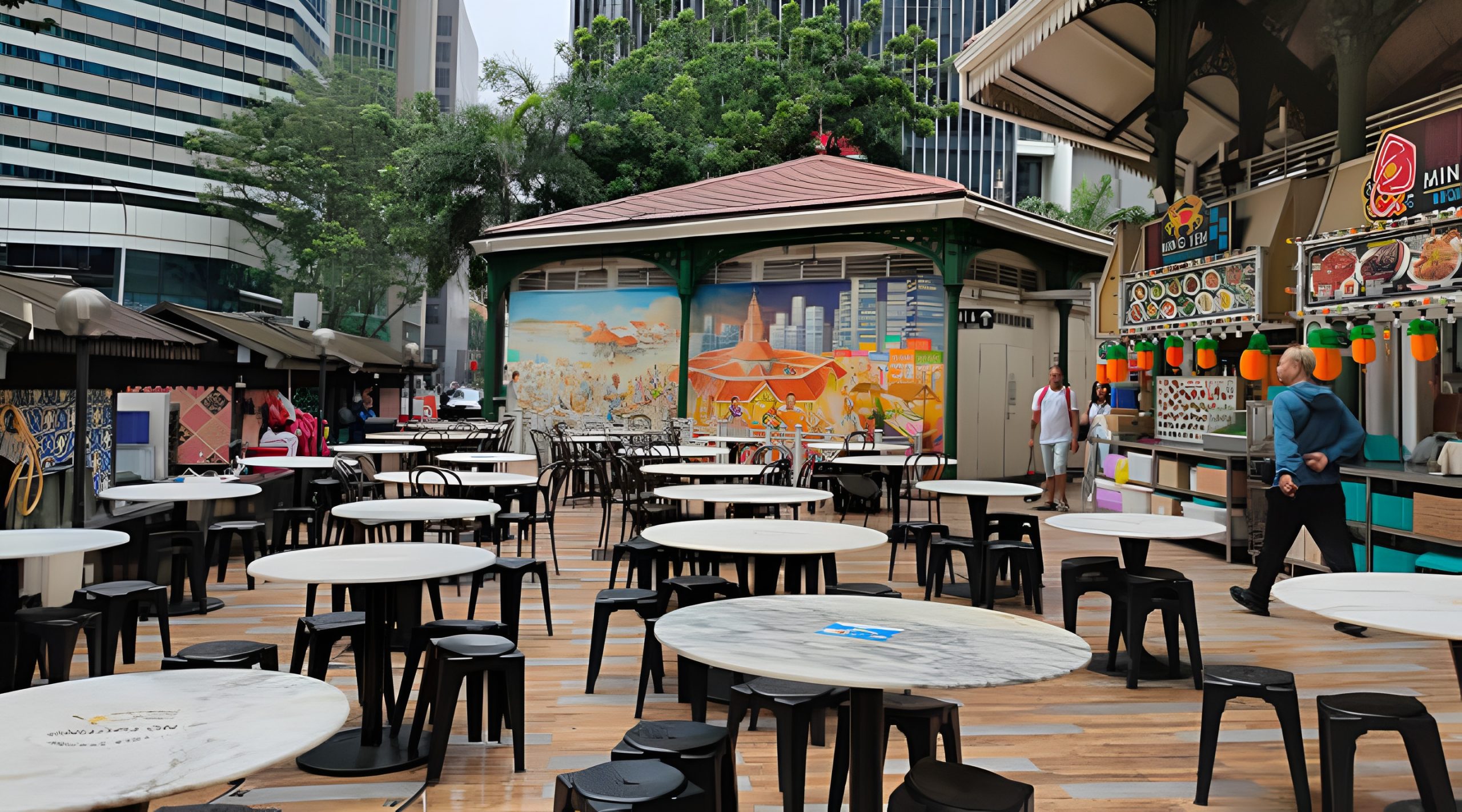
3. Hawker Centres or Food Courts
Best Option: Durable used or mid-range new furniture.
Why: High traffic demands function over form; easy-clean materials like plastic or metal work best.
4. Pop-Up or Short-Term Restaurants
Best Option: Used or leased furniture.
Why: Minimize sunk cost for short-duration operations.
ROI Beyond Cost: Brand Perception & Customer Retention
Furniture influences customer perception more than many realize. Worn-out chairs or wobbly tables can subconsciously signal poor quality or lack of hygiene — directly affecting repeat business.
Key ROI Drivers:
Comfort leads to longer dining duration.
Aesthetic alignment enhances brand recall.
Ergonomic furniture improves seating turnover efficiency.
Premium-looking spaces attract higher-paying customers and event bookings.
Thus, furniture investment has both tangible (financial) and intangible (branding and loyalty) ROI value.
When Used Furniture Makes Sense
Used furniture can be a strategic choice under certain conditions:
Temporary operations (e.g., test kitchens, seasonal dining events)
Concept testing for new F&B themes before full investment
Hybrid interiors where mixed materials (wood, rattan, metal) complement aesthetics
Rapid expansion where speed of setup outweighs longevity
If choosing used furniture, ensure to:
Inspect joints, welds, and surfaces carefully.
Avoid wood furniture with visible cracks or warping.
Reupholster chairs to refresh hygiene and comfort.
Always buy from a reputable reseller specializing in commercial-grade furniture.
Long-Term Value of New Commercial-Grade Furniture
Commercial-grade restaurant furniture from trusted suppliers like Rasa Bloom offers tested durability, Singapore-compliant materials, and custom fabrication that align with local climate and regulatory standards.
Benefits include:
Optimized for Singapore humidity and heavy use
Better ROI from reduced downtime and repairs
Consistent brand image across multiple outlets
Stronger resale or relocation value
When you view furniture as a strategic asset, rather than a one-time expense, new furniture becomes a profitable investment rather than a cost burden.
Decision Framework: How to Choose
Ask yourself these key questions before deciding:
What’s your restaurant’s expected lifespan (pop-up vs long-term)?
What’s your target audience and brand positioning?
How important is aesthetic consistency to your concept?
Can you afford downtime for repairs or replacements?
Do you have access to reliable suppliers for after-sales support?
If your restaurant aims for long-term stability and growth, new furniture offers higher ROI through performance, image, and durability.
Frequently Asked Questions
1. Is used restaurant furniture a good option for new startups?
Yes, for limited budgets or temporary projects, used furniture can be practical — just ensure it’s commercial-grade and structurally sound.
2. How long does commercial restaurant furniture typically last?
With proper care, new commercial-grade furniture lasts 5–10 years in Singapore’s humid climate.
3. Can I mix new and used furniture in one setup?
Absolutely. Many restaurants blend used tables with new chairs for a cost-effective yet cohesive look.
4. Which option offers better ROI overall?
New furniture generally delivers higher ROI in the long run, thanks to durability, warranty, and better brand image.