

2026 F&B Interior Design Trends Shaping Singapore Restaurant Furniture Choices: The Complete Forecast
Singapore’s F&B industry continues to evolve at an impressive pace, driven by shifting consumer expectations, rising competition, and the growing importance of experiential dining. In 2026, restaurant interiors are no longer just about functionality—they are strategic tools for branding, customer engagement, and operational efficiency.
For business owners working with a restaurant furniture supplier Singapore, selecting the right furniture is now closely tied to design trends that influence customer behavior and perception. From café concepts to large-scale hospitality venues, the demand for innovative, durable, and visually compelling solutions is reshaping how cafe furniture and hospitality furniture are designed and implemented.
This comprehensive forecast explores the key interior design trends that will define restaurant furniture choices in Singapore for 2026.
The Shift Toward Experience-Driven Dining Spaces
Dining is increasingly becoming an experience rather than just a transaction. Customers today expect environments that are immersive, comfortable, and visually engaging. This shift has pushed F&B operators to rethink how furniture contributes to the overall atmosphere.
Instead of uniform seating layouts, restaurants are now incorporating varied seating styles, textures, and spatial arrangements. Furniture is used to create distinct zones within a single venue, offering different experiences for different customer groups.
This trend is particularly evident in establishments that prioritize branding and storytelling, where furniture becomes an extension of the brand identity rather than just a functional element.
Japandi and Warm Minimalism Continue to Dominate
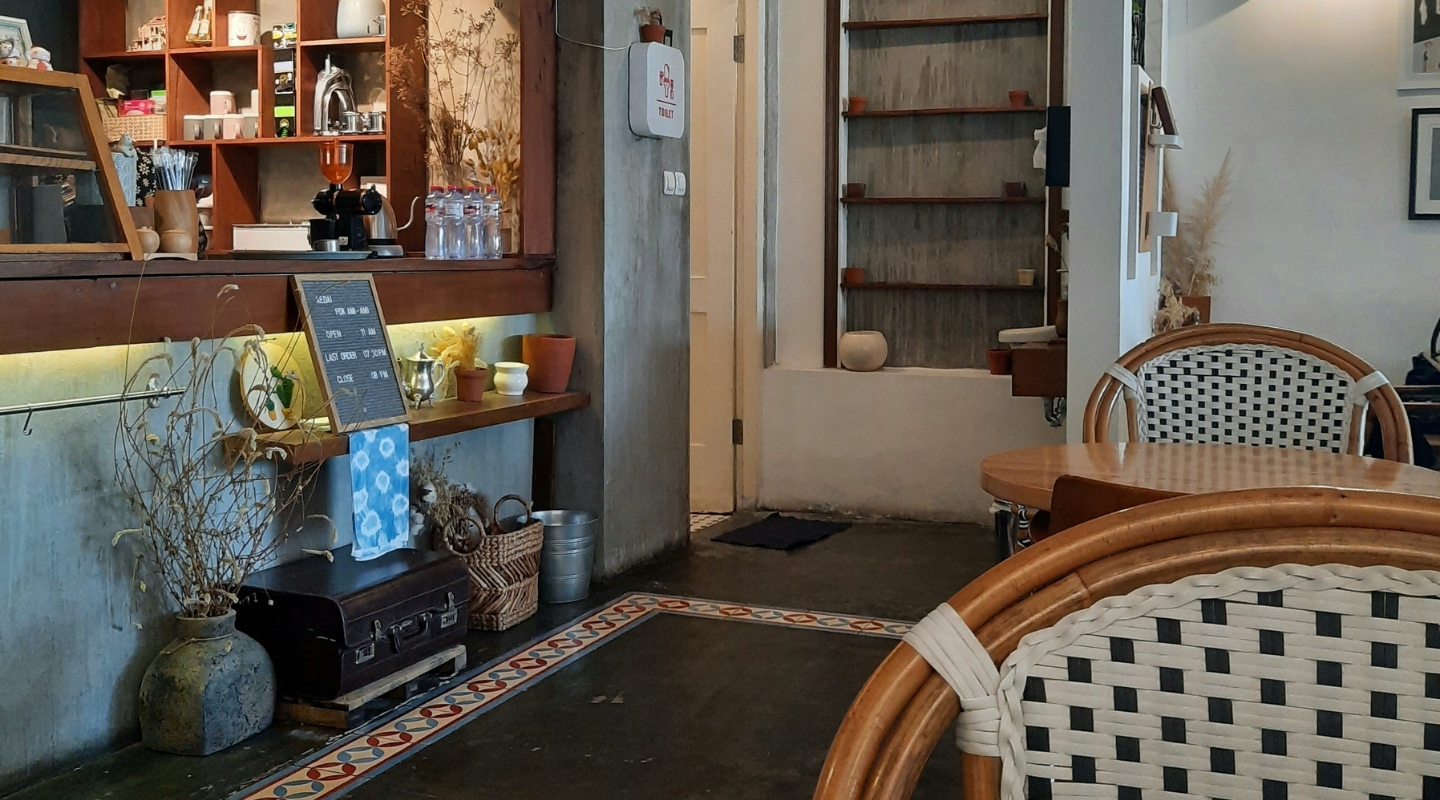
One of the strongest trends carrying into 2026 is the continued rise of Japandi design—a fusion of Japanese simplicity and Scandinavian functionality. This style emphasizes clean lines, natural materials, and muted color palettes.
Warm minimalism, a closely related concept, introduces softer tones and organic textures to create a more inviting atmosphere. Together, these styles are influencing the design of cafe furniture Singapore, especially in boutique cafés and lifestyle-driven spaces.
Light wood finishes, neutral upholstery, and uncluttered forms are becoming standard choices, offering a balance between elegance and practicality.
The Rise of Curved and Organic Furniture Forms
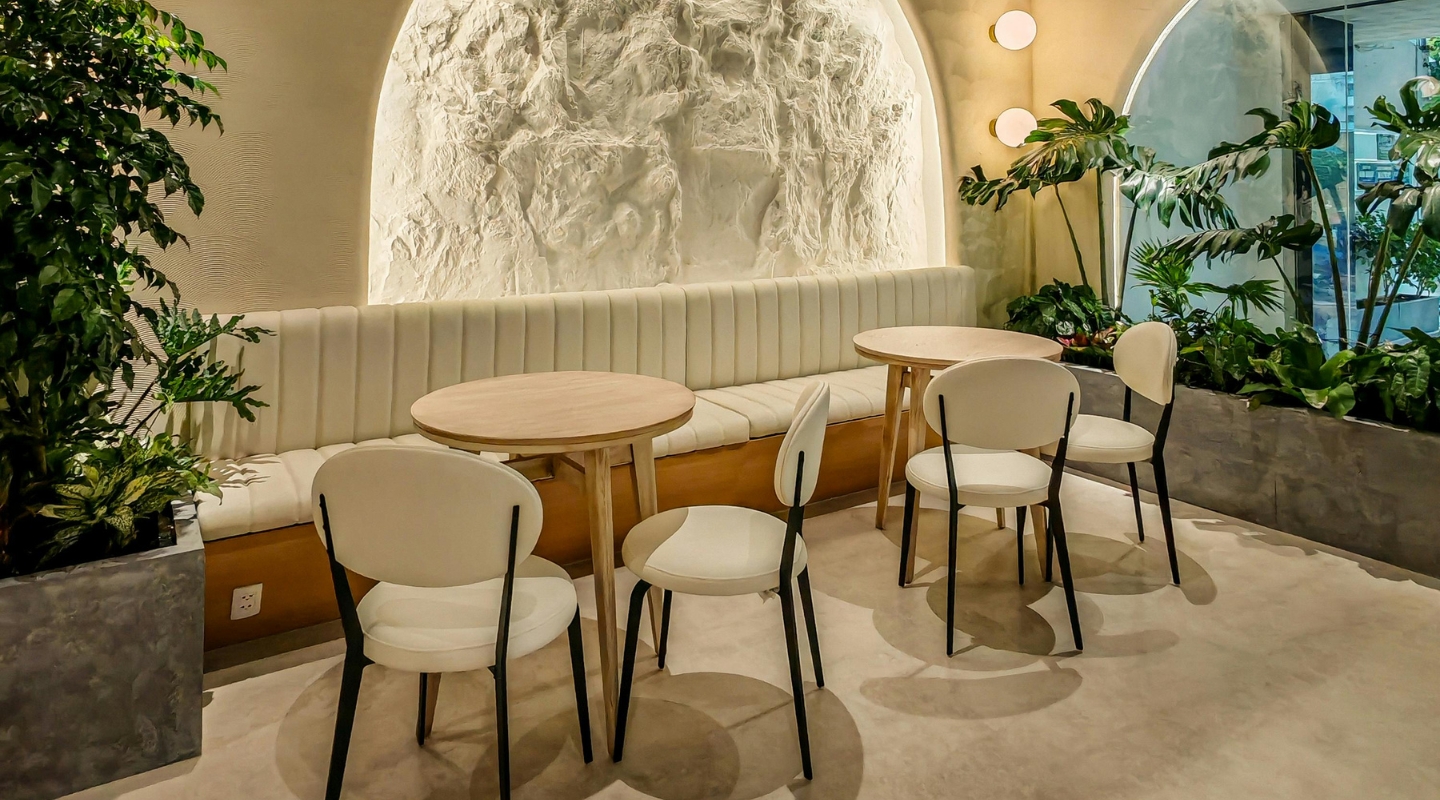
Sharp edges and rigid geometries are gradually being replaced by softer, more organic shapes. Curved furniture is gaining popularity for its ability to create a welcoming and fluid environment.
Rounded chairs, oval tables, and sculptural seating designs not only enhance visual appeal but also improve spatial flow. These forms are particularly effective in smaller spaces, where they help reduce visual clutter and create a sense of openness.
For businesses sourcing from a restaurant furniture supplier Singapore, incorporating curved designs can elevate the overall aesthetic while maintaining functionality.
Natural Materials and Textures Take Center Stage
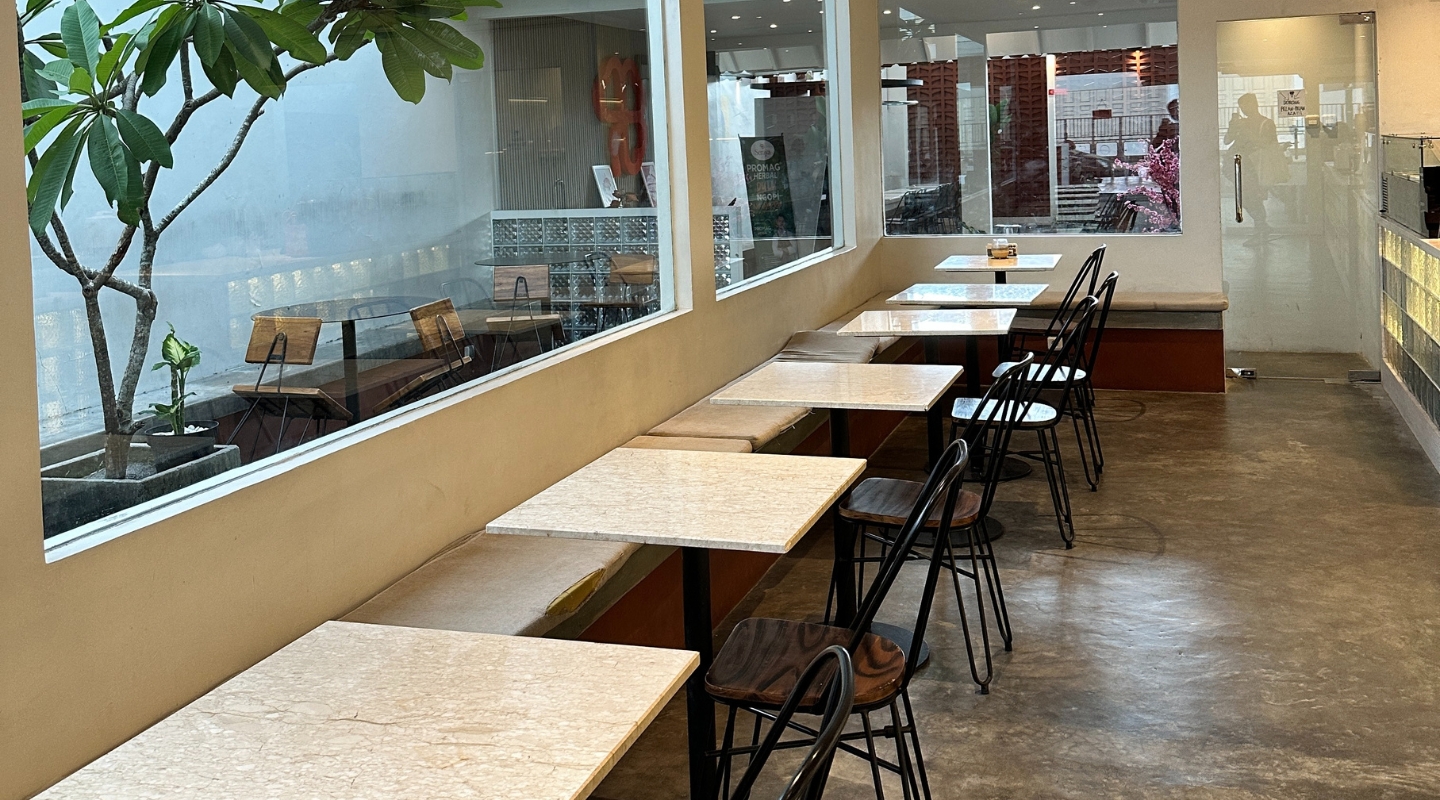
Sustainability and authenticity are becoming key priorities for both businesses and consumers. As a result, natural materials such as wood, rattan, and stone are increasingly being used in restaurant furniture.
These materials add warmth and texture to interiors, creating a more grounded and organic feel. In Singapore, where urban environments dominate, incorporating natural elements helps create a sense of balance and relaxation.
Rattan, in particular, is experiencing a resurgence due to its tropical appeal and lightweight properties. It is widely used in both indoor and outdoor settings, making it a versatile choice for hospitality furniture.
Multi-Functional and Flexible Furniture Solutions
Flexibility is becoming essential in modern F&B spaces. Restaurants must adapt to different customer needs, peak hours, and event requirements. This has led to a growing demand for multi-functional furniture.
Modular seating, extendable tables, and stackable chairs allow spaces to be reconfigured quickly and efficiently. These solutions are especially valuable in Singapore, where space optimization is critical.
For operators investing in cafe furniture Singapore, flexibility not only improves operational efficiency but also enhances the customer experience by accommodating diverse seating preferences.
Bold Accents and Statement Pieces
While minimalism remains popular, there is also a growing trend toward bold design elements that create visual impact. Statement furniture pieces, such as uniquely shaped chairs or vibrant upholstery, are being used to draw attention and define spaces.
These accents are often combined with neutral backgrounds, allowing them to stand out without overwhelming the overall design. This approach is particularly effective in attracting social media attention, which plays a significant role in marketing for F&B businesses.
A strategic mix of subtle and bold elements can help create a balanced and memorable interior.
Technology Integration in Furniture Design
Technology is gradually becoming part of the dining experience, and furniture design is adapting accordingly. Features such as built-in charging ports, integrated lighting, and smart materials are becoming more common.
These innovations enhance convenience for customers, especially in cafés and casual dining spaces where people may work or spend extended periods.
For businesses working with a restaurant furniture supplier Singapore, incorporating technology into furniture design can provide a competitive edge in a tech-savvy market like Singapore.
Outdoor and Alfresco Dining Expansion
The demand for outdoor dining continues to grow, driven by lifestyle trends and the appeal of open-air environments. Restaurants are increasingly investing in outdoor seating areas that offer comfort and durability.
Furniture used in these spaces must withstand Singapore’s tropical climate, including humidity and rain. Materials such as treated wood, metal, and weather-resistant fabrics are commonly used.
This trend is influencing the development of hospitality furniture, with more emphasis on durability without compromising design.
Personalization and Brand Identity Through Furniture
In 2026, generic interiors are becoming less common as businesses strive to create unique brand identities. Customization plays a key role in achieving this goal.
Furniture can be tailored in terms of materials, colors, and shapes to reflect a brand’s personality. This level of personalization helps create a cohesive and memorable experience for customers.
Working with experienced suppliers allows businesses to translate their vision into practical and durable furniture solutions.
Sustainability as a Core Design Principle
Sustainability is no longer a niche consideration—it is becoming a standard expectation. Restaurants are increasingly adopting eco-friendly practices, including the use of sustainable materials and production methods.
Furniture made from responsibly sourced materials and designed for longevity supports these goals while also appealing to environmentally conscious consumers.
This shift is influencing purchasing decisions across the industry, particularly for cafe furniture and large-scale hospitality projects.
Future Outlook: What This Means for F&B Businesses
The trends shaping restaurant furniture in Singapore for 2026 reflect a broader shift toward experience, flexibility, and sustainability. Businesses that adapt to these changes will be better positioned to attract and retain customers in a competitive market.
Choosing the right restaurant furniture supplier Singapore is critical in navigating these trends. A knowledgeable partner can provide insights, customization options, and high-quality products that align with evolving design standards.
Frequently Asked Questions (FAQs)
1. What is the biggest restaurant design trend in Singapore for 2026?
Experience-driven design, combining aesthetics with functionality, is the most significant trend shaping the industry.
2. Are minimalist designs still popular?
Yes, especially Japandi and warm minimalism, which continue to dominate café and restaurant interiors.
3. How important is sustainability in furniture selection?
Very important, as both consumers and businesses are prioritizing eco-friendly solutions.
4. Should I invest in custom furniture?
Custom furniture allows you to align your interior design with your brand identity, making it a valuable investment.
Conclusion
The restaurant furniture landscape in Singapore is evolving rapidly, driven by changing consumer expectations and design innovation. From natural materials to flexible layouts and bold statement pieces, the trends of 2026 emphasize both aesthetics and practicality.
By staying ahead of these trends and working with a reliable restaurant furniture supplier, businesses can create spaces that are not only visually appealing but also highly functional and future-ready. Whether you are designing a café, restaurant, or large hospitality venue, the right furniture choices will play a crucial role in your success.